Encapsulated and manufactured in Poland
Safe shopping guarantee. You will receive your product or your money back. See details
Dietary supplement
KPU®
Support for heme metabolism
A new formulation with enhanced anti-inflammatory action
Support for proper heme metabolism
Supplementation of zinc, vitamin B6, biotin and manganese deficiencies
Microbiologically tested for the presence of heavy metals, ethylene oxide, pesticides and alkaloids
Quantity: 60 capsules/daily servings
Should be consumed before: 05.2028
Registered in GIS: BZ/SD/POW/PL1000D/006502/2026
Production certificates: GHP, GMP, HACCP, ISO 22000:2018, ISO 9001:2015
 Encapsulated and manufactured in Poland
84,99 zł
544 in stock
Price per piece: PLN 1.41

 Free delivery within Poland from 250 zł
Previous lowest price was 84,99 zł.
A composition of ingredients that supports the deficits associated with cryptopyroluria. Supports heme metabolism and the immune system.
NEW FORMULATION

Dietary supplement
KPU®
Support for heme metabolism
A new formulation with enhanced anti-inflammatory action
Support for proper heme metabolism
Supplementation of zinc, vitamin B6, biotin and manganese deficiencies
Microbiologically tested for the presence of heavy metals, ethylene oxide, pesticides and alkaloids
Quantity: 60 capsules/daily servings
Should be consumed before: 05.2028
Registered in GIS: BZ/SD/POW/PL1000D/006502/2026
Production certificates: GHP, GMP, HACCP, ISO 22000:2018, ISO 9001:2015
- Encapsulated and manufactured in Poland
84,99 zł
544 in stock
Previous lowest price was 84,99 zł.
Price per piece: PLN 1.41
Free delivery within Poland from 250 zł
Safe shopping guarantee. You will receive your product or your money back. See details
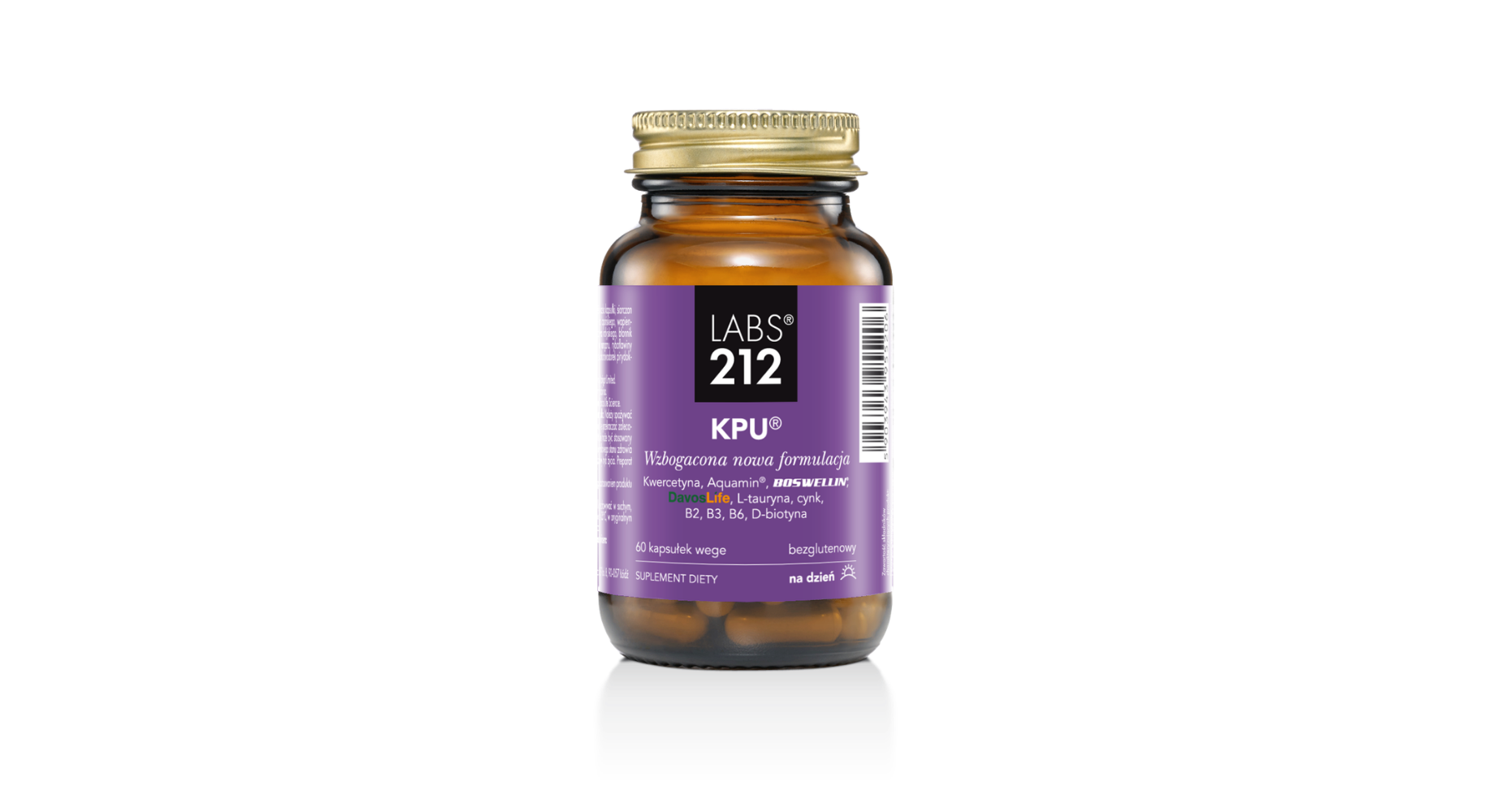
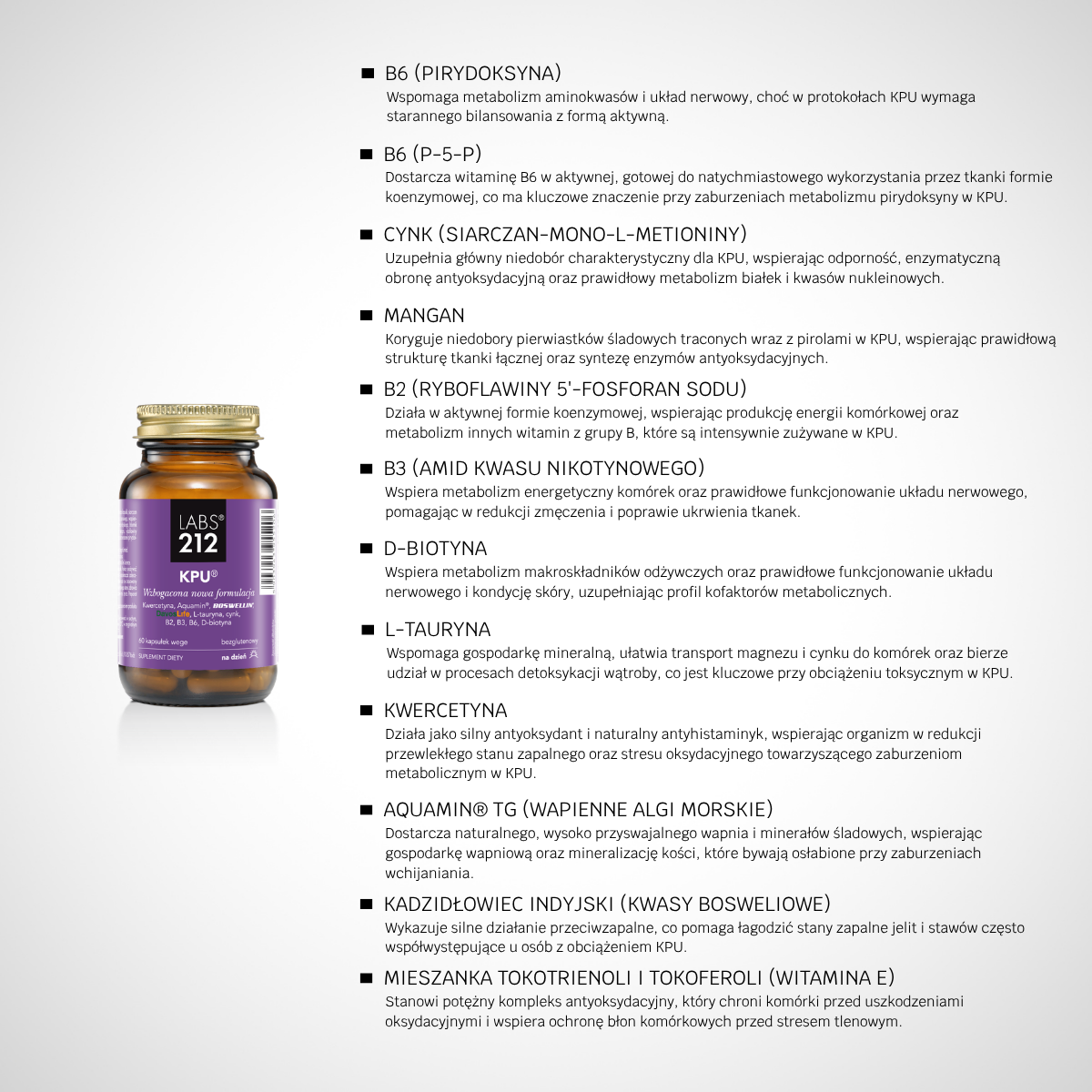
KPU ® dietary supplement is a preparation in the form of a plant capsule containing an optimal combination of: zinc in the form of an organic compound (L-monomethionine), vitamin B2 (in the form of Riboflavin sodium 5′-phosphate (R-5-P), vitamin B6 (in the form of P-5-P and pyridoxine hydrochloride), vitamin B3 (in the form of nicotinamide), biotin, manganese, quercetin from Japanese pagoda tree, boswellic acids , natural vitamin E , Aquamin (source of calcium and magnesium) and L-taurine .
Zinc in the form of L-monomethionine:
- contributes to maintaining the proper metabolism of macronutrients ,
- helps maintain proper vision ,
- contributes to maintaining the proper metabolism of vitamin A ,
- helps maintain healthy skin, nails and hair ,
- helps in the proper synthesis of DNA and takes part in the process of cell division ,
- helps in proper protein synthesis ,
- helps maintain proper carbohydrate metabolism and contributes to maintaining proper fatty acid metabolism,
- supports the maintenance of healthy bones ,
- helps in the proper functioning of the immune system .
Zinc is a cofactor for enzymes involved in protein, carbohydrate, fat, and nucleic acid metabolism: alcohol dehydrogenase, superoxide dismutase, DNA polymerase, RNA polymerase, alkaline phosphatase, and carboxypeptidase. It is involved in the activity of over 200 enzymes.
Vitamin B2 riboflavin:
- helps in the proper functioning of the nervous system,
- contributes to maintaining proper iron metabolism,
- helps protect cells against oxidative stress ,
- contributes to maintaining proper energy metabolism ,
- helps maintain the proper condition of mucous membranes and helps maintain healthy skin,
- helps maintain proper vision,
- helps maintain the proper condition of red blood cells,
- helps reduce the feeling of tiredness and fatigue.
Vitamin B6 pyridoxine:
- helps maintain normal psychological functions,
- helps in the proper functioning of the immune system,
- helps reduce the feeling of tiredness and fatigue ,
- contributes to the regulation of hormonal activity (it is an essential cofactor in the metabolism of fatty acids),
- helps in the proper synthesis of cysteine,
- helps in the proper production of red blood cells
- contributes to maintaining proper energy metabolism ,
- helps in the proper functioning of the nervous system,
- helps maintain proper homocysteine metabolism,
- contributes to maintaining proper protein and glycogen metabolism.
The most biologically active form of vitamin B6 is pyridoxal 5-phosphate. It is a coenzyme for over 100 enzymes responsible for the functioning of the entire body, making it one of the most “hardworking” B vitamins. Vitamin B6 is involved in amino acid metabolism and also plays an invaluable role in the synthesis of neurotransmitters such as serotonin, dopamine, and GABA, as well as in the metabolism of liver enzymes (AST, ALT). Vitamin B6 also contributes to the synthesis of other vitamins, such as niacin from tryptophan.
Biotin:
- helps maintain the proper condition of the skin and mucous membranes ,
- helps maintain the proper condition of hair and nails ,
- helps maintain the proper condition of bones and teeth .
Manganese:
- contributes to maintaining proper energy metabolism ,
- contributes to maintaining healthy bones ,
- helps in the proper formation of connective tissues ,
- helps protect cells against oxidative stress .
Quercetin:
- has anti-inflammatory and antioxidant properties,
- has a positive effect on inhibiting the secretion of histamine (histamine is a factor influencing the allergic response),
- has antiallergic effects.
Indian frankincense gum resin extract ( Boswelia serrata ) BOSWELLIN®:
- Boswellia serrata contains boswellic acids, including AKKBA, which modulates inflammatory pathways by inhibiting the activity of 5-lipoxygenase (5-LOX), which leads to a reduction in the synthesis of pro-inflammatory leukotrienes and supports the control of chronic inflammation,
- Indian frankincense supports the reduction of chronic inflammation , which can negatively affect thyroid function,
- Indian frankincense helps protect the thyroid gland tissues against excessive immune activation,
- Indian frankincense has a supporting effect on the balance of the immune system , which is important in autoimmune disorders.
Vitamin E:
- contributes to the protection of cell components against oxidative damage ,
- inhibits the oxidation of fats present both in the cell membranes and in the blood,
- lowers LDL cholesterol levels,
- prevents the formation of atherosclerotic plaques
- inhibits platelet aggregation.
Taurine:
- Taurine is a sulfur amino acid that plays a key role in the functioning of many organs, including the liver, known for its detoxification, antioxidant and protective functions,
- taurine has an antioxidant effect, which helps protect hepatocytes (liver cells) against oxidative stress and damage caused by free radicals,
- taurine supports the metabolism of ammonia , which reduces its toxic effect on the body,
- taurine participates in lipid metabolism and may reduce fat deposition in hepatocytes,
- taurine is an important component of bile acids , which are necessary for the digestion and absorption of fats,
- Studies suggest that taurine may lower elevated levels of the liver enzymes ALT and AST.
Aquamin:
- Aquamin is a natural, multi-mineral complex obtained from red marine algae ( Lithothamnion sp. ), rich in highly absorbable calcium, magnesium and several dozen other trace elements,
- Aquamin has an alkalizing and anti-inflammatory effect, which helps soothe inflammation in the digestive tract and supports the body’s acid-base balance,
- Aquamin supports bone mineralization and joint health by providing biocoded minerals with high bioavailability,
- Aquamin participates in the protection of the gastric and intestinal mucosa against irritation, which promotes the regeneration of the digestive system,
- Aquamin is an important source of natural magnesium and calcium, which are essential for proper muscle contraction and nerve conduction.
| INGREDIENT NAME | In a daily dose 1 capsule | |
| Japanese pagoda tree flower extract ( Styphnolobium japonicum (L.) Schott), standardized to 98% quercetin | 72 mg | – |
| – including quercetin | 70.56 mg | – |
| Aquamin® TG , calcareous marine algae ( Lithothamnion sp. ) | 60 mg | – |
| Indian frankincense resin extract ( Boswellia serrata ) standardized to 70% boswellic acids BOSWELLIN® | 50 mg | – |
| DavosLife™ tocotrienol and tocopherol blend, including d- alpha -tocopherol ( vitamin E ) | 27 mg 2.8 mg alpha -TE | 23% DV* |
| L-taurine | 50 mg | – |
| Zinc (zinc mono-L-methionine sulfate) | 15 mg | 150% DV* |
| Manganese (from manganese gluconate) | 1.8 mg | 90% DV* |
| Vitamin B2 (riboflavin 5′-phosphate sodium) | 10 mg | 714.3% DV* |
| Vitamin B3 (nicotinamide) | 5 mg | 31.25% DV* |
| Vitamin B6 (pyridoxine hydrochloride) | 4 mg | 285.7% DV* |
| Vitamin B6 (pyridoxal-5-phosphate) | 2 mg | 14.9% DV* |
| D-biotin | 1.5 mg | 3000% DV* |
| Acacia fiber | 46 mg | – |
| L-Leucine | 5 mg | – |
*DVV – Daily Value.
Ingredients : hydroxypropyl methylcellulose – plant capsule shell, zinc mono-L-methionine sulfate, Japanese pagoda tree flower extract, calcareous sea algae, L-taurine, Indian frankincense resin extract, acacia fiber, a mixture of tocotrienols and tocopherols, manganese gluconate, riboflavin sodium 5′-phosphate, nicotinamide, L-leucine, pyridoxine hydrochloride, pyridoxal 5′-phosphate, D-biotin.
Aquamin® is a registered trademark of Marigot Limited.
Boswellin® is a registered trademark of Sabinsa.
Davos Life is a registered trademark of Davos Life Science.
Gluten-free
Package contents: 60 capsules.
Portion recommended for consumption during the day: 1 capsule.
Number of servings per package: 60.
Preferred intake: The KPU dietary supplement should be consumed during or after a meal, no later than 4 p.m.
Do not exceed the recommended daily dose. Maintaining good health requires a varied diet and a healthy lifestyle. This dietary supplement should not be used as a substitute for a varied diet. This product is recommended for adults.
Warning: Pregnant and breastfeeding women should consult a doctor before using the product.
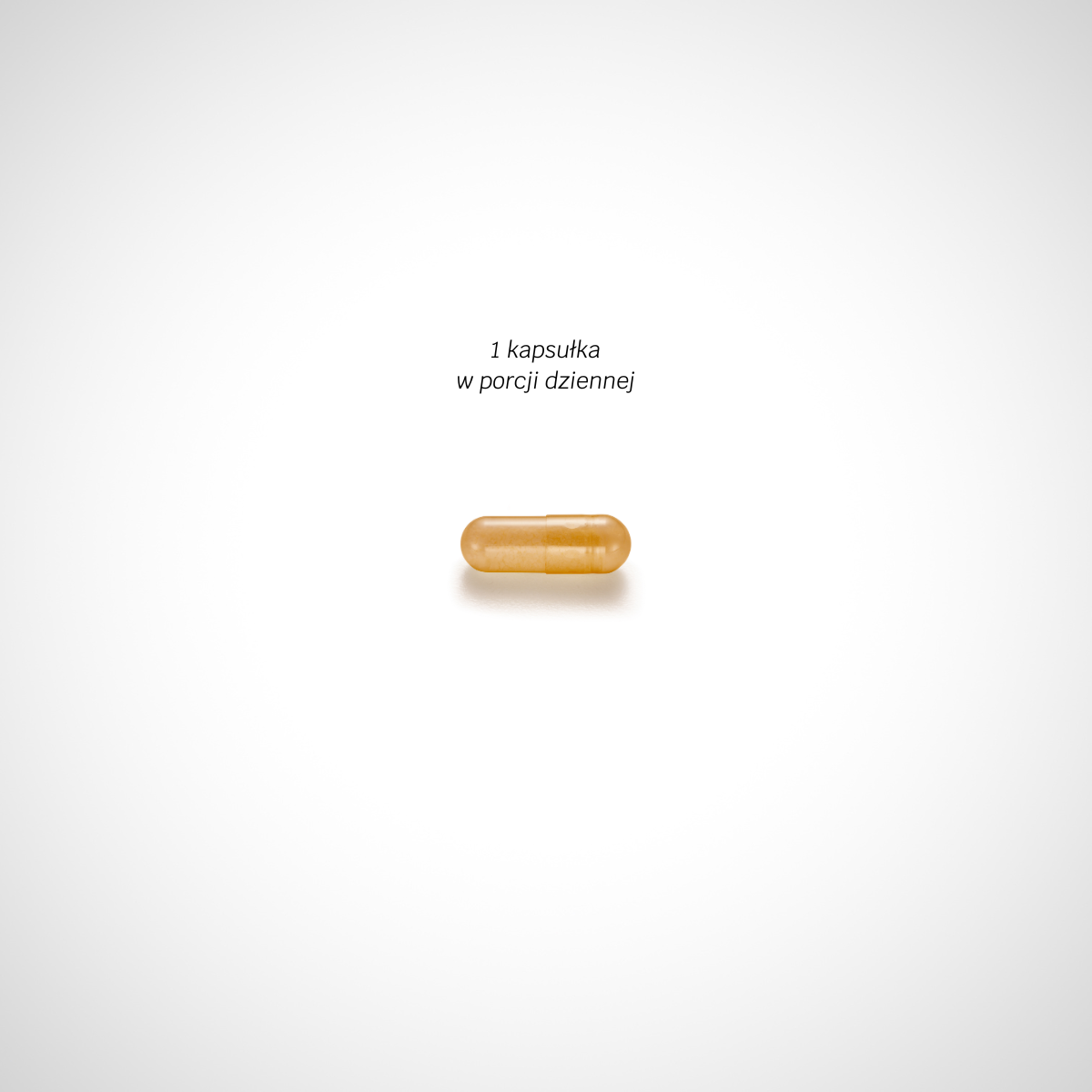
Capsule size: capsule size “3”, length 16 mm.
Organoleptic properties: orange powder after pouring out of the capsule with a slightly bitter taste.
Storage: the KPU dietary supplement should be stored out of direct sunlight, at a temperature below 25 ° C, in the original packaging, out of reach of small children.
Batch number / Best before end – the information is on the unit label (left side of the label).
Batch tests performed:
- microbiology, presence of: listeria, staphylococcus, escherichia coli and coliforms, salmonella , mold, yeast, total number of microorganisms,
- presence of: echimidine and heliosupine, erucifolin, europine, heliotrin, intermedina, jacobin, lasjocarpine, licopsamine and indicine, monocrotaline, echimidine N-oxide, erucifolin N-oxide, europine N-oxide, heliosupine N-oxide, heliothrin N-oxide, Intermedin N-oxide, Indicin N-oxide, Echinatin N-oxide, Rinderin N-oxide, Jacobin N-oxide, Lasiocarpine N-oxide, Lycopsamine N-oxide, Moncrotaline N-oxide, Retrorzyne N-oxide, Usaramine N-oxide, Senecionine N-oxide, N-oxide integerrimine, senecyvernine N-oxide, seneciphylline N-oxide, sparthioidine N-oxide, retrorzyne, usaramine, rinderine and echinatin, seneciphylline, sparthioidine, senecyvernine, integerrimine, senecionine, senkirkine, trichodesmin, atropine, scopolamine,
- presence of pyrrolizidine and tropane alkaloids,
- heavy metals (arsenic, cadmium, lead, mercury),
- pesticides,
- ethylene oxide and 2-chloroethanol,
- gluten content.
The tests were carried out in the independent, accredited GBA Polska Laboratory – Accreditation Certificate No. AB 1095.


Zinc mono-L-methionine sulfate
Zinc mono-L-methionine sulfate is created by combining zinc with the amino acid L-methionine in the sulfate form. L-methionine, an organic sulfur amino acid, acts as a chelating ligand, forming a stable, organic, and highly bioavailable complex with zinc. Zinc mono-L-methionine sulfate is highly bioavailable, characterized by efficient intestinal absorption through the use of natural amino acid transport pathways. The zinc in this complex is a key cofactor for numerous enzymes , including DNA and RNA polymerases and dehydrogenases, which are essential for DNA replication, protein synthesis, and energy metabolism. Zinc ions support immune function by acting on B and T lymphocytes, as well as inflammatory processes, supporting tissue regeneration and healing. Zinc mono-L-methionine sulfate also influences calcium homeostasis , supporting bone and tooth health by modulating osteoblast and osteoclast activity.
B2 as riboflavin sodium 5′-phosphate (R-5′-P)
Riboflavin 5′-phosphate sodium (R-5′-P) , also known as FMN (Flavin Mononucleotide) , is a key active form of vitamin B2 that is incredibly important for our health and well-being. As the active form of riboflavin, riboflavin 5′-phosphate sodium, plays a vital role in many of the body’s metabolic processes.
One of the most important functions of riboflavin sodium 5′-phosphate is its participation in energy metabolism . Vitamin B2 helps convert consumed carbohydrates, fats, and proteins into energy, which is essential for the proper functioning of our cells.
B2 riboflavin sodium 5′-phosphate deficiency can lead to feelings of fatigue and weakness, so it is important to take care of its appropriate level in the body.
FMN (flavin mononucleotide) acts as a cofactor for numerous enzymes essential for a range of biochemical reactions. It supports detoxification processes, helping the body remove toxins and protecting cells from oxidative stress. Furthermore, riboflavin sodium 5′-phosphate is crucial for the health of the skin, eyes, and nervous system , contributing to improved skin condition and appearance and supporting healthy vision.
Vitamin B2, in the form of riboflavin sodium 5′-phosphate (R-5′-P), is crucial for red blood cell synthesis , which helps prevent anemia and improves overall well-being. Regular intake of this vitamin can provide numerous health benefits, including improved energy efficiency, immune system support, and protection against chronic diseases.
B6 as pyridoxine hydrochloride
Pyridoxine hydrochloride , known as vitamin B6 , is a key component of numerous metabolic and physiological processes. It acts as a precursor to the active form of vitamin B6, pyridoxal-5′-phosphate (P-5-P) , also known as pyridoxal phosphate (PLP) , which participates in over 100 enzymatic reactions, including the synthesis of amino acids and neurotransmitters such as serotonin and dopamine.
Pyridoxine hydrochloride is a stable form with good bioavailability. Absorbed in the small intestine and transported to the liver, it is converted to the active form , pyridoxal 5′-phosphate (P-5-P), by pyridoxal kinase enzymes.
As a precursor to pyridoxal phosphate (PLP) , it supports normal psychological function and the immune system by participating in the synthesis of neurotransmitters and immune proteins. P-5-P contributes to the reduction of tiredness and fatigue by supporting energy metabolism and is also a cofactor in fatty acid metabolism, which regulates hormonal activity.
Furthermore, vitamin B6 in this form supports cysteine synthesis and red blood cell production , which is essential for healthy circulation. Pyridoxine hydrochloride contributes to the proper functioning of the nervous system and homocysteine metabolism, which is crucial for cardiovascular health. Additionally, it plays an important role in protein and glycogen metabolism, supporting anabolic and energy-producing processes in the body.
B6 as Pyridoxal-5-phosphate (P-5-P)
Pyridoxal-5-phosphate (P-5-P) , also known as pyridoxal phosphate (PLP) , is the active form of vitamin B6. Pyridoxal-5′-phosphate is the active form of vitamin B6, which is directly involved in many enzymatic reactions in the body. (P-5-P) is already in its active form, so it does not require conversion in the body, making it more effective, especially for people who have trouble converting pyridoxine to the active form.
Pyridoxal-5-phosphate (P-5-P) supports healthy psychological function and the immune system by participating in the synthesis of neurotransmitters and immune proteins. P-5-P helps reduce tiredness and fatigue by supporting energy metabolism and also acts as a cofactor in fatty acid metabolism, regulating hormonal activity.
Additionally, vitamin B6 in this form supports cysteine synthesis and red blood cell production, which is crucial for circulatory health. P-5-P supports the proper functioning of the nervous system and homocysteine metabolism, supporting cardiovascular health . Furthermore, it plays a crucial role in protein and glycogen metabolism, supporting anabolic and energy-producing processes in the body.
D-biotin
D-biotin , also often called vitamin H or B7 , is the active form of biotin , which plays a key role in many metabolic and physiological processes.
Thanks to its ability to support the production of keratin , the main structural protein of hair and skin, D-biotin is particularly valued for its impact on their health, helping to keep skin products in good condition.
One of the most important aspects of D-biotin’s function is its essential role in the production of the nucleic acids DNA and RNA . DNA and RNA are key structures in every cell, storing instructions necessary for proper cell function and reproduction. D-biotin supports the synthesis of these nucleic acids, ensuring that cells can divide and function properly according to their genetic instructions.
Additionally, D-biotin plays an important role as a coenzyme in the metabolism of fatty acids , amino acids, and glucose. This helps maintain healthy energy levels in the body and supports anabolic processes essential for tissue growth and repair.
Manganese gluconate
Manganese gluconate is an organic chemical compound that is one of the bioavailable forms of manganese , a mineral essential for the proper functioning of the body. Manganese plays a key role in numerous biochemical processes, including the metabolism of carbohydrates, proteins, and fats, as well as energy production. It is also important for the proper functioning of the nervous, skeletal, and immune systems . Manganese deficiencies can lead to growth disorders, metabolic problems, and weakened bones. Manganese gluconate is used in dietary supplements as an easily absorbable form of this element. It acts as an enzymatic cofactor , supporting various enzymatic processes, including those related to antioxidant protection , as it participates in the neutralization of free radicals.
Boswellin® Indian frankincense resin extract
Boswellin® is a standardized extract of Indian frankincense resin ( Boswellia serrata ), valued for its anti-inflammatory properties , which may be important in supporting proper thyroid function and the body’s immune balance.
The boswellic acids contained in the extract have the ability to modulate inflammatory pathways, which helps reduce chronic inflammation that can negatively impact thyroid function.
Boswellin® may support immune system balance , especially in the context of autoimmune thyroid disorders. Regulating inflammatory processes helps protect tissues from excessive immune response and supports the maintenance of normal thyroid gland structure and function.
Thanks to the standardization of the content of active boswellic acids, Boswellin® is characterized by repeatable action and high quality , which translates into its biological effectiveness.
Vitamin E (D-alpha-tocopherol)
D-alpha-tocopherol is a natural form of vitamin E that acts as a powerful antioxidant , protecting cells from damage caused by free radicals.
It’s crucial for skin health , helping maintain elasticity and hydration. It also supports the cardiovascular system by protecting blood vessels and lipid cell membranes from oxidation. Unlike synthetic forms of vitamin E, D-alpha-tocopherol is more bioavailable and better absorbed , which increases its effectiveness in protecting cells and supporting immunity.
Aquamin TG
Aquamin TG is a natural, multi-mineral complex derived from red marine algae ( Lithothamnion sp. ). Thanks to its organic origin, it provides highly absorbable calcium, magnesium, and dozens of other trace elements in a balanced mineral matrix. Aquamin TG is characterized by high bioavailability , being effectively absorbed in the gastrointestinal tract. The minerals it contains have an alkalizing and buffering effect, helping to alleviate inflammation and supporting the body’s acid-base balance . Calcium and magnesium ions are crucial for proper muscle contraction, nerve conduction, and bone and tooth mineralization , modulating the activity of bone-forming cells. Furthermore, Aquamin TG supports the protection of the gastrointestinal mucosa , and research suggests it may support comfortable movement and reduce morning stiffness in people with joint discomfort.
L-taurine
Taurine is a sulfur amino acid that plays a crucial role in the function of many organs, including the liver . It is known for its detoxifying, antioxidant, and protective properties, which support liver health and regeneration.
Taurine has antioxidant effects, which help protect hepatocytes (liver cells) from oxidative stress and free radical damage. It may protect the liver from damage caused by alcohol, medications, heavy metals, and environmental toxins .
Taurine helps cleanse the body of toxins by supporting liver function. It supports ammonia metabolism, reducing its toxic effects on the body. It also aids in the elimination of heavy metals and other harmful substances.
Taurine is involved in lipid metabolism and may reduce fat accumulation in hepatocytes.
Research suggests that taurine may prevent and support the treatment of nonalcoholic fatty liver disease (NAFLD) . It may lower triglyceride and cholesterol levels, which contributes to improved liver function.
Taurine is a key component of bile acids , which are essential for the digestion and absorption of fats:
- improves bile flow and reduces the risk of gallstone formation.
- supports the elimination of metabolic products through bile.
Taurine has anti-inflammatory properties, which may be beneficial in inflammatory liver conditions such as hepatitis or cirrhosis.
Taurine supports the regenerative processes of the liver, helping to rebuild damaged cells.
It can support liver function after poisoning, viral infections or excessive alcohol consumption.
Taurine neutralizes free radicals and supports the action of glutathione , one of the most important antioxidants in the body.
Helps protect hepatocyte cell membranes from damage.
Acacia fiber
Acacia fiber in LABS212® supplements acts as a bulking agent .
The most commonly used bulking agent in dietary supplements is cellulose . Cellulose, although completely safe for the body, is completely inert. The human body lacks the enzymes to digest cellulose, which means it is excreted in its entirety.
In supplements where possible, we chose acacia fiber as a bulking agent instead of cellulose. Why?
Fiber is commonly deficient in the modern diet, leading to numerous health problems such as constipation, obesity, and heart disease. Its lack in the daily diet stems from excessive consumption of processed foods low in natural plant fibers.
The amount of fiber in our supplements is obviously not a sufficient daily dose of this ingredient, but unlike cellulose, it does provide some value to our diet.
The key to ensuring adequate fiber intake is to incorporate more vegetables, fruits, whole grains, and seeds into your diet, which can significantly improve digestive health and overall well-being. The recommended daily fiber intake for adults is approximately 25-30 grams.
L-Leucine
L-Leucine is present in most of our supplements and most often acts as a technological substance , necessary in the supplement production process.
Many manufacturers choose magnesium stearate as a processing ingredient. At LABS212®, we’ve chosen not to use magnesium stearate in the production of our supplements. Why?
First, magnesium stearate may reduce the bioavailability of active ingredients, hindering their absorption. Second, there are suggestions that it may negatively impact the immune system by inhibiting T-cell function. Some people may experience allergies or skin irritations related to this ingredient.
We chose a natural alternative in the form of L-Leucine, which is an amino acid and, in terms of production, plays the same role as stearate.
L-leucine is one of the most important branched-chain amino acids, crucial for anabolic processes in the human body. As an essential amino acid, L-leucine must be supplied through food, as the body cannot synthesize it on its own. Biochemically, L-leucine plays a crucial role in regulating the mTOR pathway, which leads to the stimulation of muscle protein synthesis. As a technological ingredient, it is found in small amounts. Supplemented in higher doses, it can contribute to improved muscle recovery and increased muscle mass, which is particularly important for athletes and physically active individuals.
Learn more about our KPU® dietary supplement!
Heme is a chemical compound (a porphyrin ring with a central iron atom) that is a key component of hemoglobin, myoglobin, and numerous enzymes. Its biosynthesis occurs primarily in the bone marrow and liver .
div]:bg-bg-000/50 [&_pre>div]:border-0.5 [&_pre>div]:border-border-400 [&_.ignore-pre-bg>div]:bg-transparent [&_.standard-markdown_:is(p,blockquote,h1,h2,h3,h4,h5,h6)]:pl-2 [&_.standard-markdown_:is(p,blockquote,ul,ol,h1,h2,h3,h4,h5,h6)]:pr-8 [&_.progressive-markdown_:is(p,blockquote,h1,h2,h3,h4,h5,h6)]:pl-2 [&_.progressive-markdown_:is(p,blockquote,ul,ol,h1,h2,h3,h4,h5,h6)]:pr-8″>
_*]:min-w-0 gap-3 standard-markdown”>
After the red blood cell’s “life cycle” is complete, approximately 120 days, heme is broken down:
Heme → biliverdin → bilirubin (enzymes: heme oxygenase, biliverdin reductase)
This step occurs mainly in the spleen and liver, and the end product is bilirubin, which is excreted in the bile.
During the synthesis and degradation of heme, intermediate compounds composed of pyrrole rings are formed. When these transformations are disrupted or inefficient, an excess of abnormal pyrroles , the compound hemopyrolactam (HPL), is formed.
Abnormalities in heme metabolism lead to the formation of excess pyrrole compounds, which can interfere with the binding and removal of key trace elements such as zinc, vitamin B6, and manganese. Because these nutrients function as cofactors in numerous enzymatic processes (including energy production, neurotransmission, and antioxidant defense), their chronic deficiency can lead to a wide range of nonspecific deficits and problems.
Core formula: zinc, B6, manganese
- Zinc and vitamin B6 are the two micronutrients that are lost most intensively; pyrroles (hemopyrolactam, HPL) formed in excess form insoluble complexes with them that are excreted in the urine.
- Dual form of B6 (pyridoxine hydrochloride + active form P5P). P5P does not require enzymatic conversion in the liver, so it works faster and is better utilized by people with impaired metabolism, while pyridoxine HCl provides a stable, “base” supply.
- Manganese completes the core of the protocol and is the third trace element bound by pyrroles, and additionally acts as a cofactor for superoxide dismutase (SOD), an antioxidant enzyme.
Anti-inflammatory layer, an extension beyond the classic protocol
This element clearly goes beyond the basic “zinc + B6 + manganese”
- Quercetin (from Japanese pagoda tree): a flavonoid with anti-inflammatory and mast cell stabilizing properties, particularly important in the treatment of histamine intolerance.
- Boswellia (boswellic acids): traditionally used for chronic inflammation.
- Tocotrienols/tocopherols: antioxidant effect, protects cell membranes against oxidative stress, which is increased due to disorders of heme metabolism.
Aquamin (calcium + magnesium):
- Magnesium has a documented synergistic effect with vitamin B6, supporting its function and alleviating neurological symptoms, making this combination a logical complement to the mainstay of B6. The marine algae form (Aquamin) provides a natural, easily absorbed mineral complex.
- Taurine: supports neurological functions and has its own antioxidant effect (conjugation with bile acids, participation in calcium homeostasis in nerve cells).

Compose your treatment with LABS212®
Discover other LABS212® products

Dietary supplement
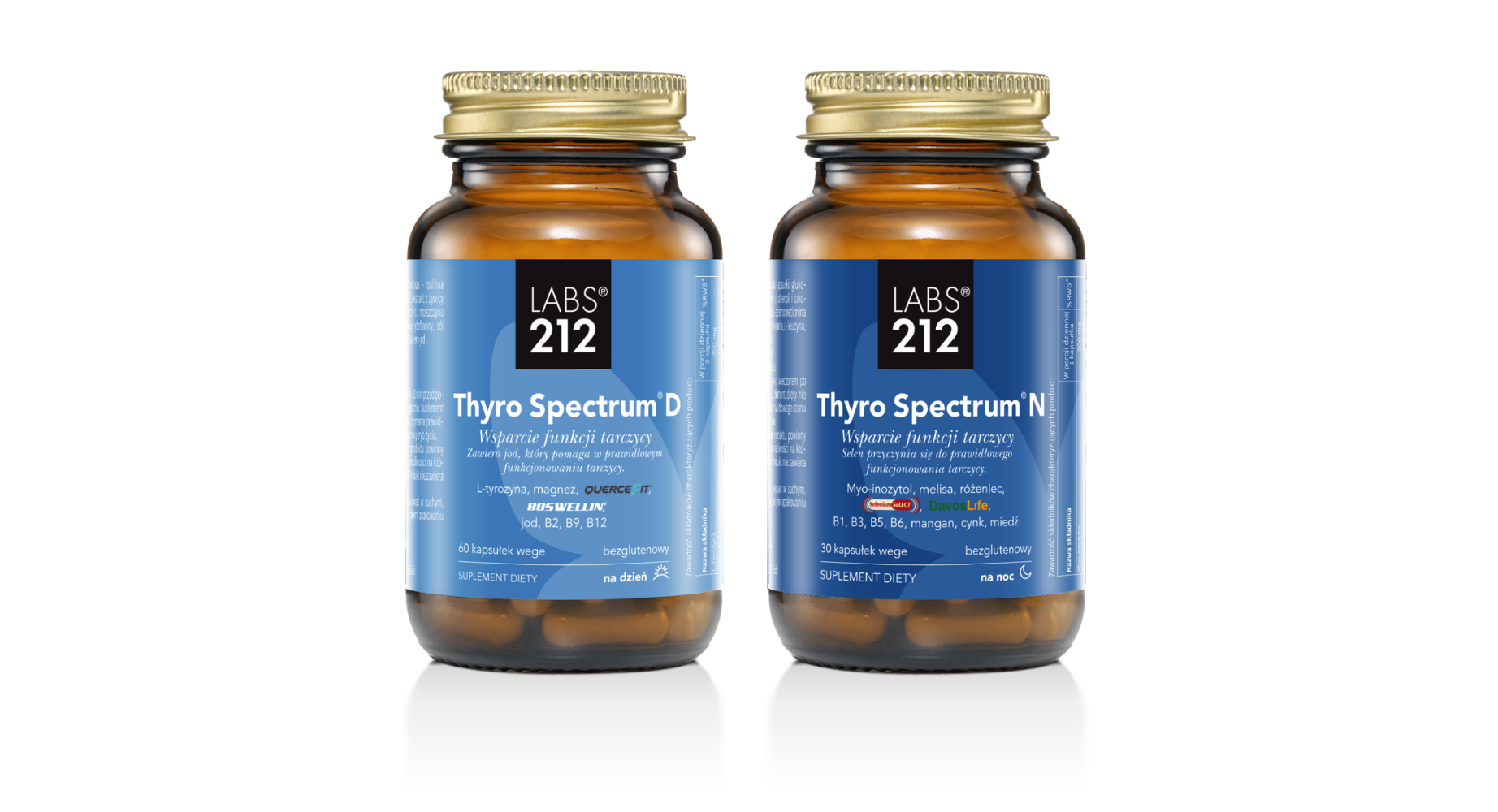
Thyro Spectrum® Day and Night Bundle
Helps maintain normal thyroid function – day and night support.MoreDietary supplement
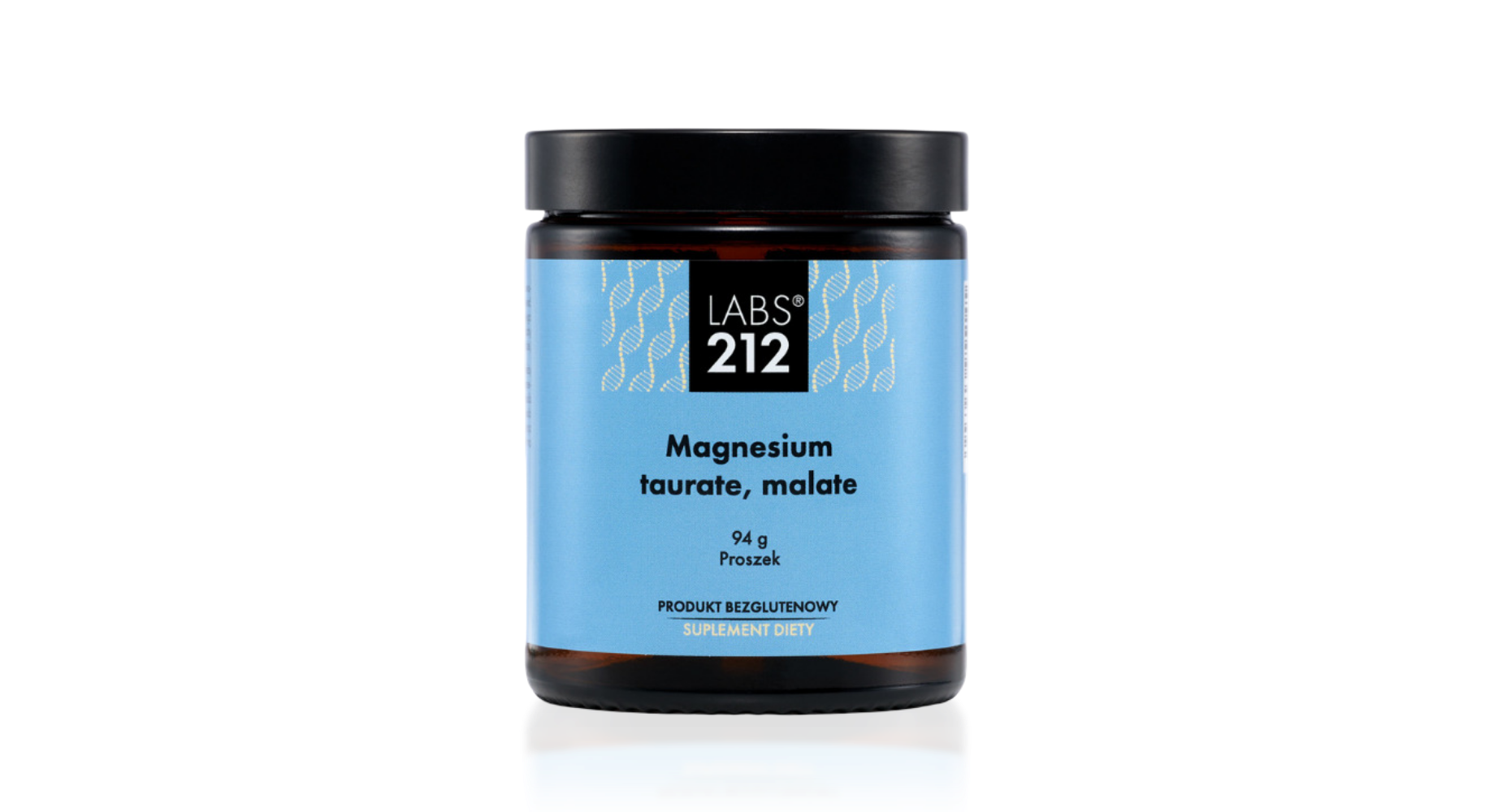
Magnesium taurate, malate
Supports the nervous system and maintains normal psychological functions. Blend of two organic magnesium forms of high absorption.MoreDietary supplement
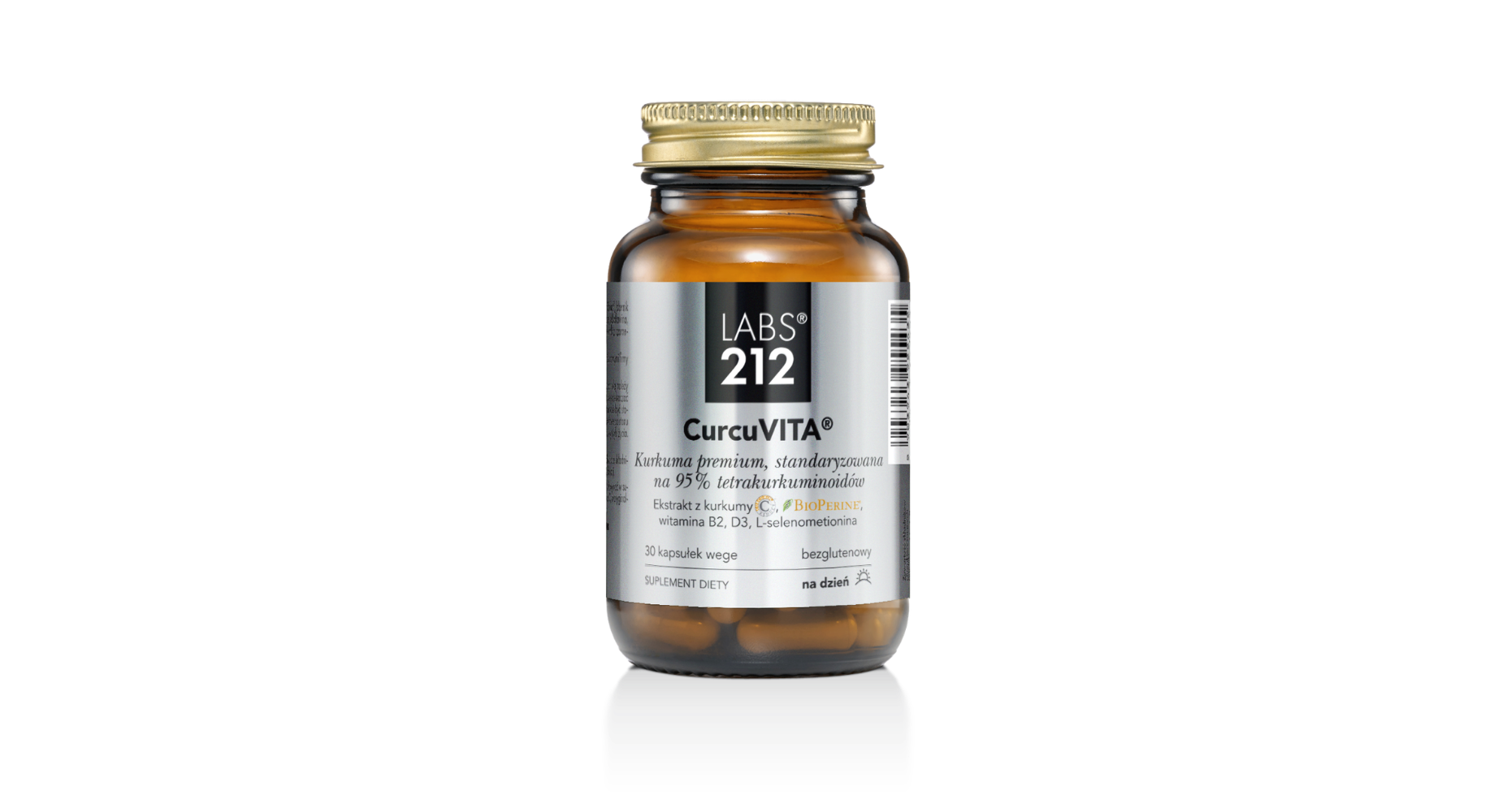
CurcuVITA®
A new generation turmeric extract C3 Reduct®. Standardized to contain 95% tetrahydrocurcuminoids.More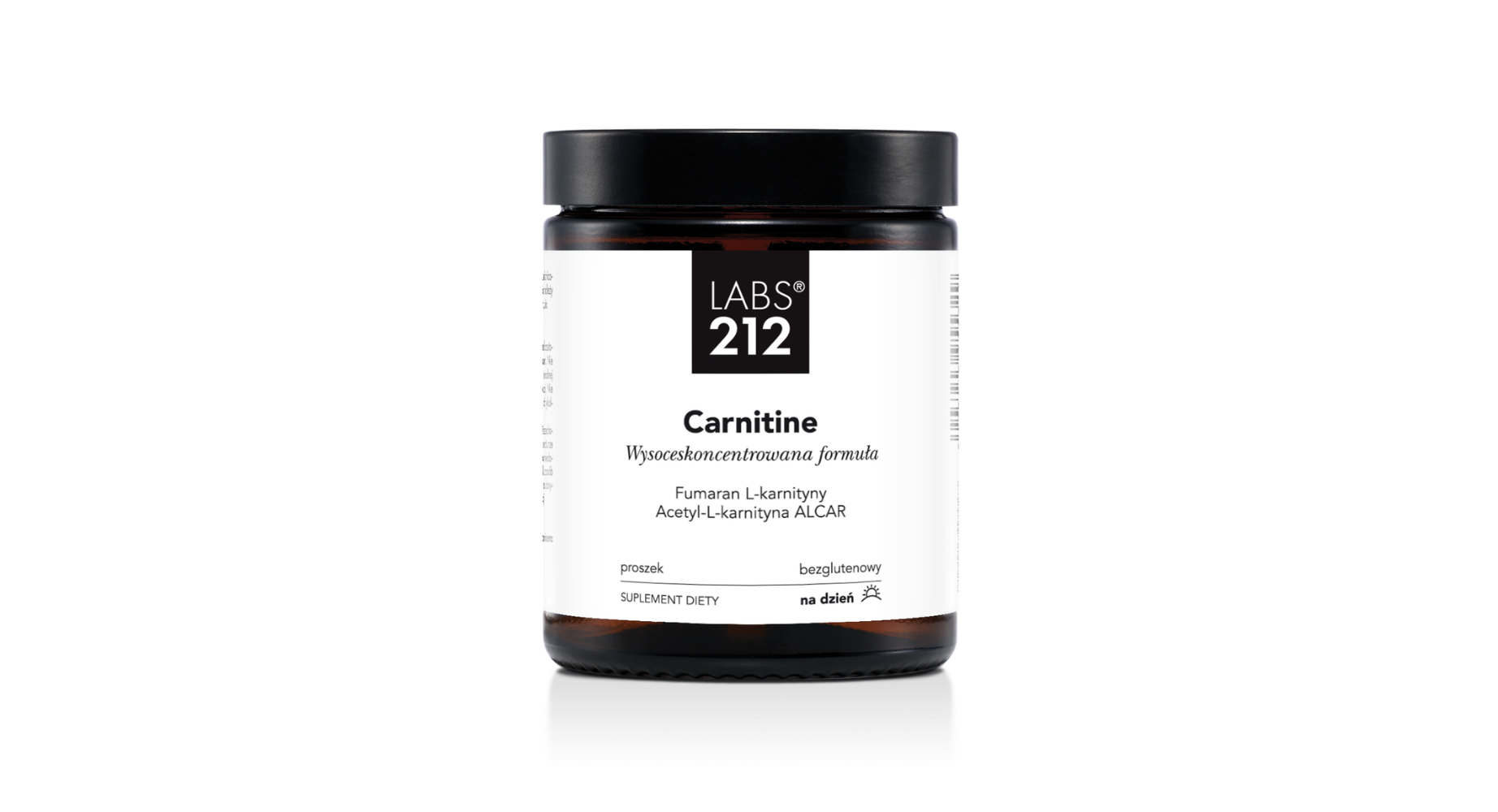
Dietary supplement
Carnitine
Regenerates and supports the nervous system. Supports efficient fat metabolism.More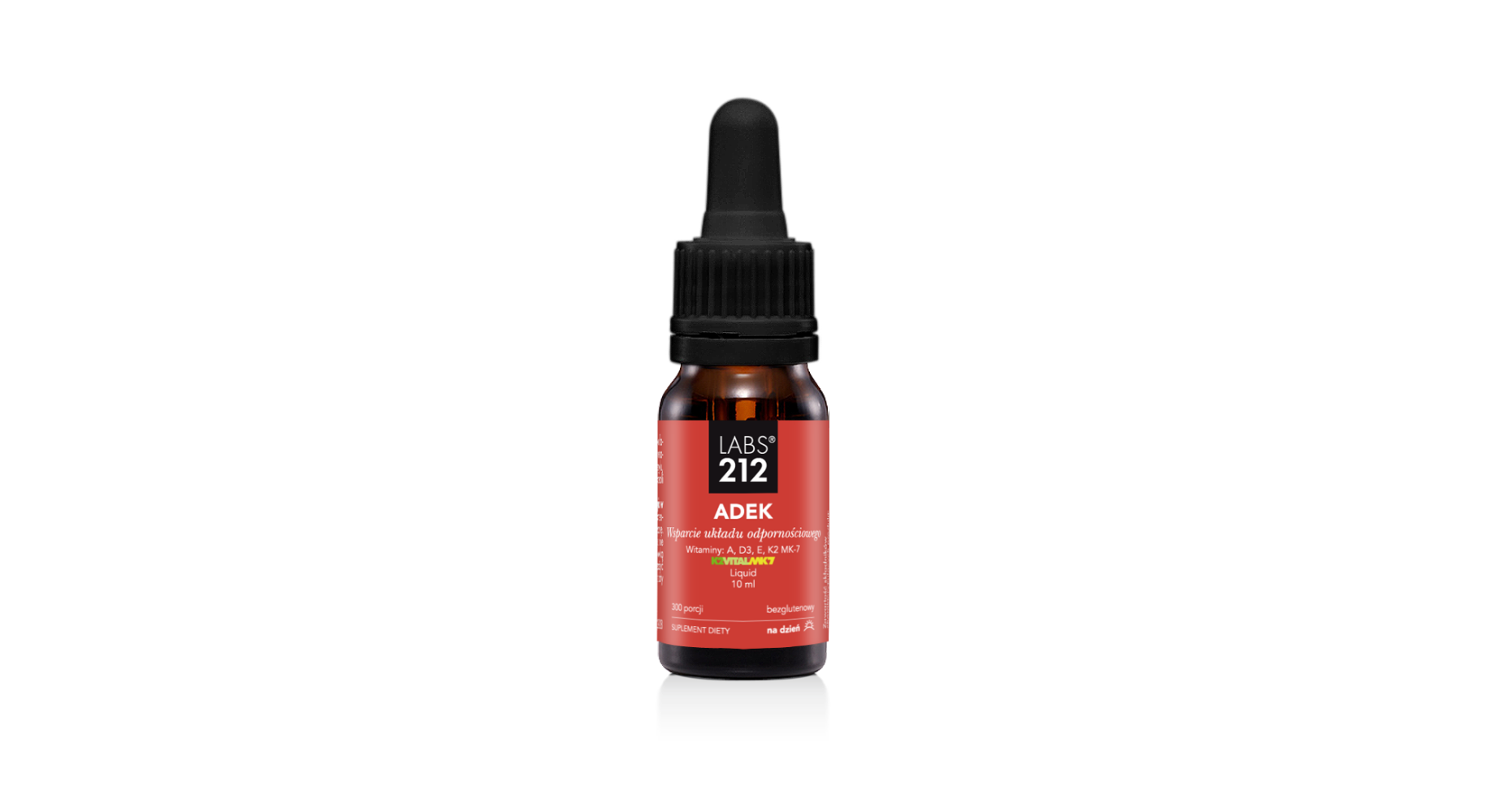
Dietary supplement
ADEK Liquid
Support for the immune system. 300 servings per container. Liquid formula with MCT oil.MoreDietary supplement
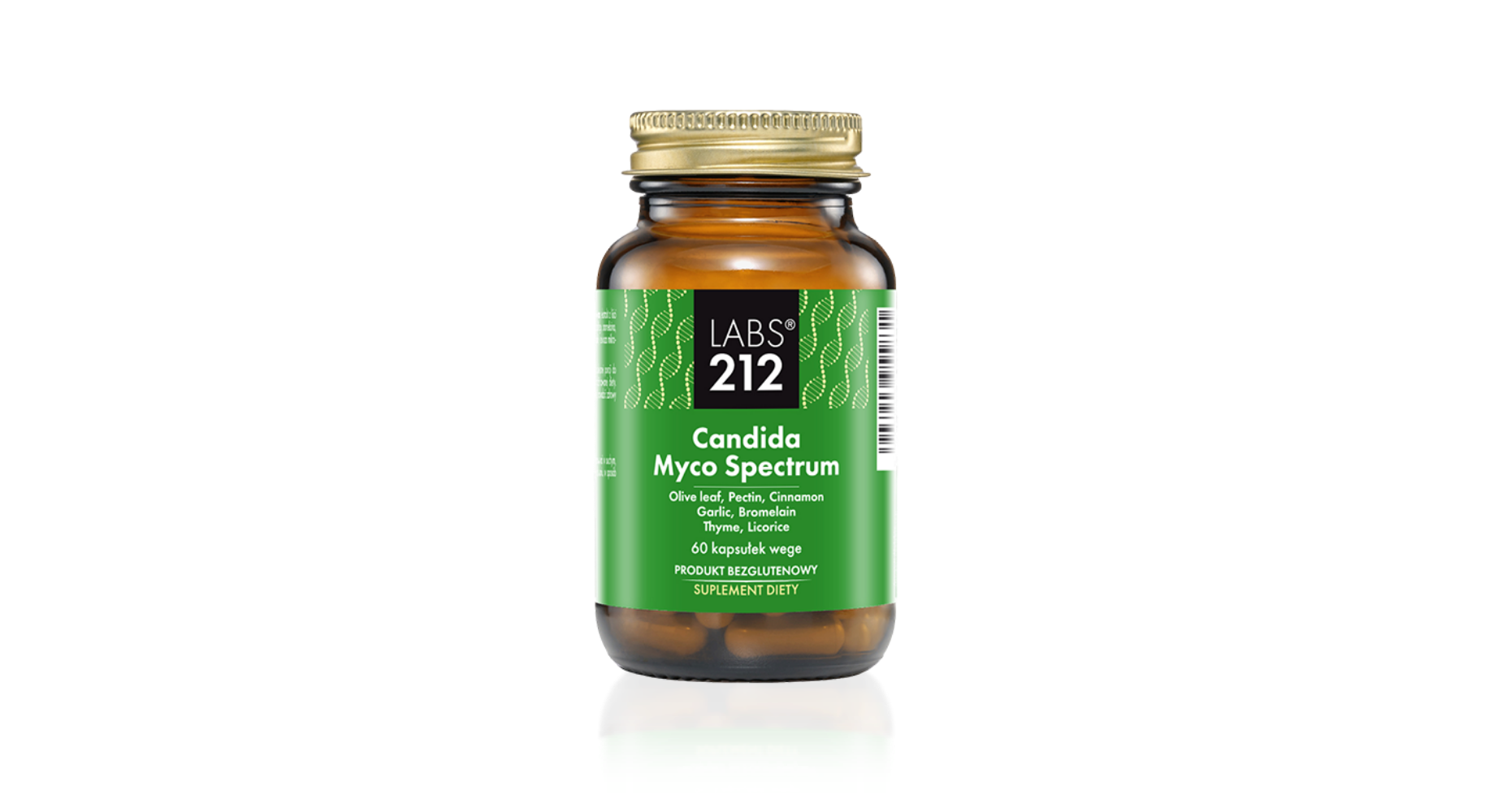
Candida-Myco Spectrum
Support for proper gut balance. 7 active ingredients: pectin, olive leaf extract, cinnamon, garlic, thyme, licorice, bromelain.MoreDietary supplement
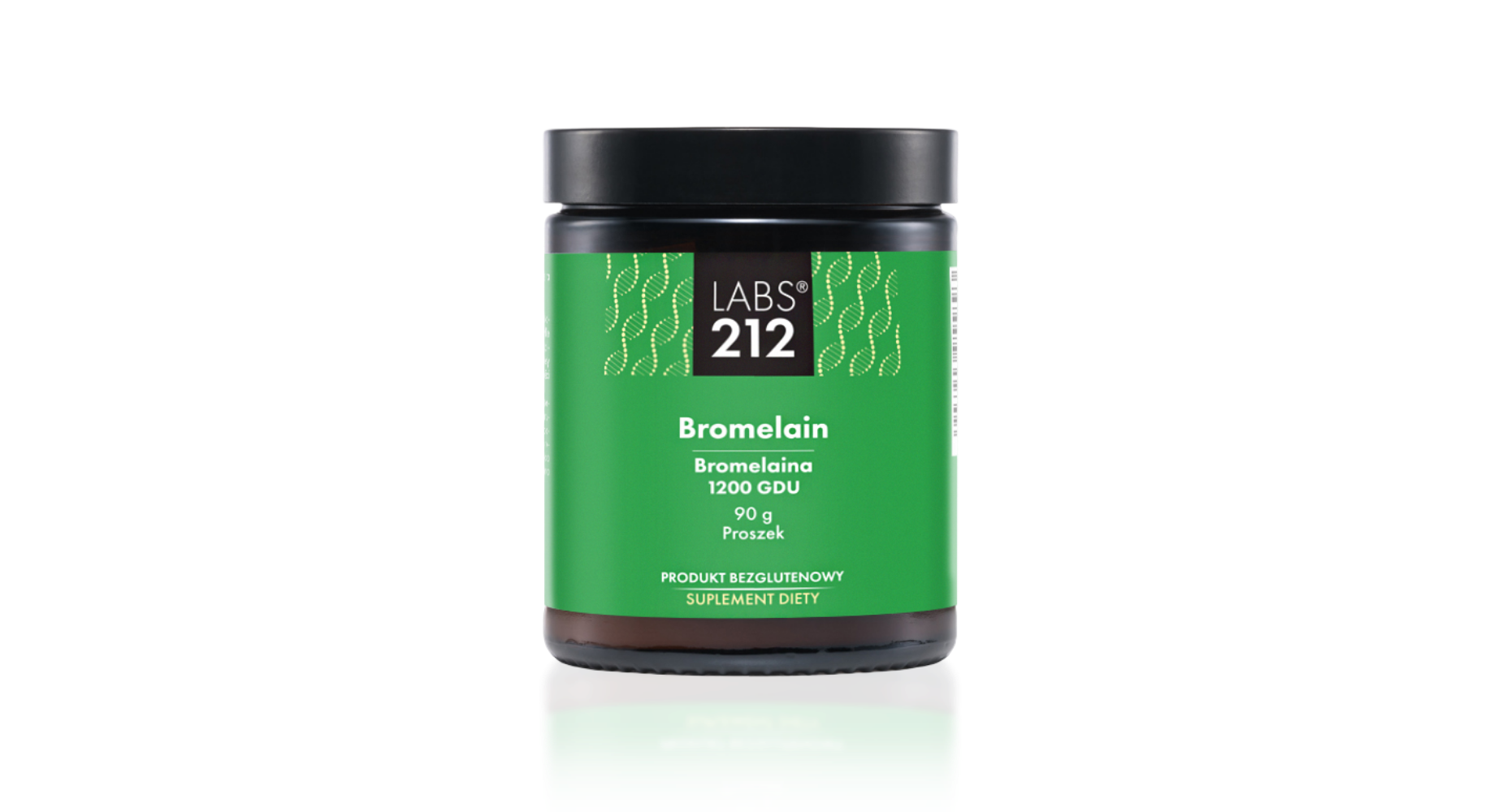
Bromelain
Support for digestion and relief of digestive discomfort. High enzymatic activity: 1200 GDUMoreDietary supplement
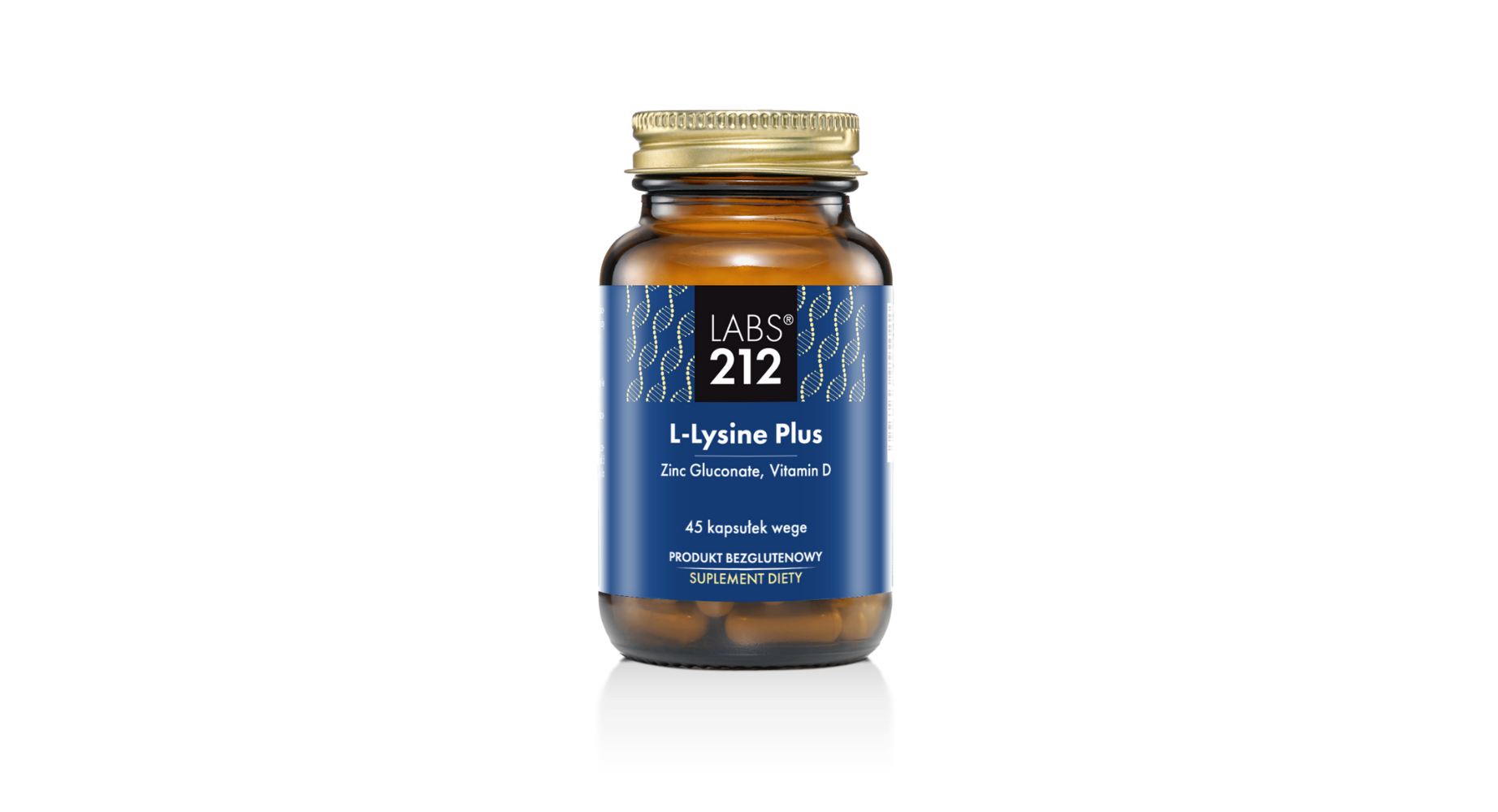
L-Lysine Plus
Comprehensive support for the immune system to work properly. L-Lysine, Zinc Picolinate, Vitamin D.MoreDietary supplement
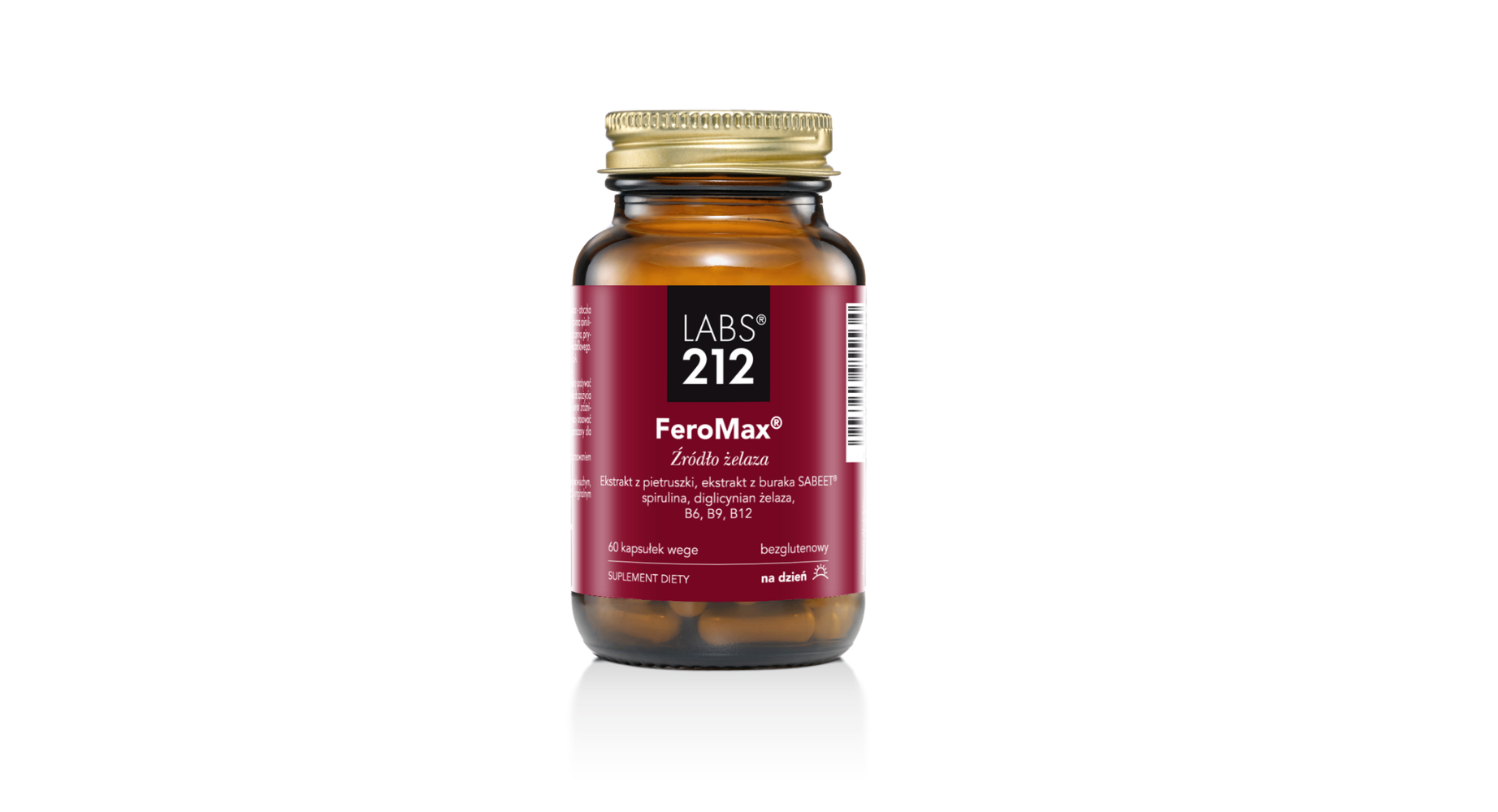
FeroMax®
Support in the proper production of red blood cells and hemoglobin. Support in anemia, iron and ferritin deficiency.MoreDietary supplement
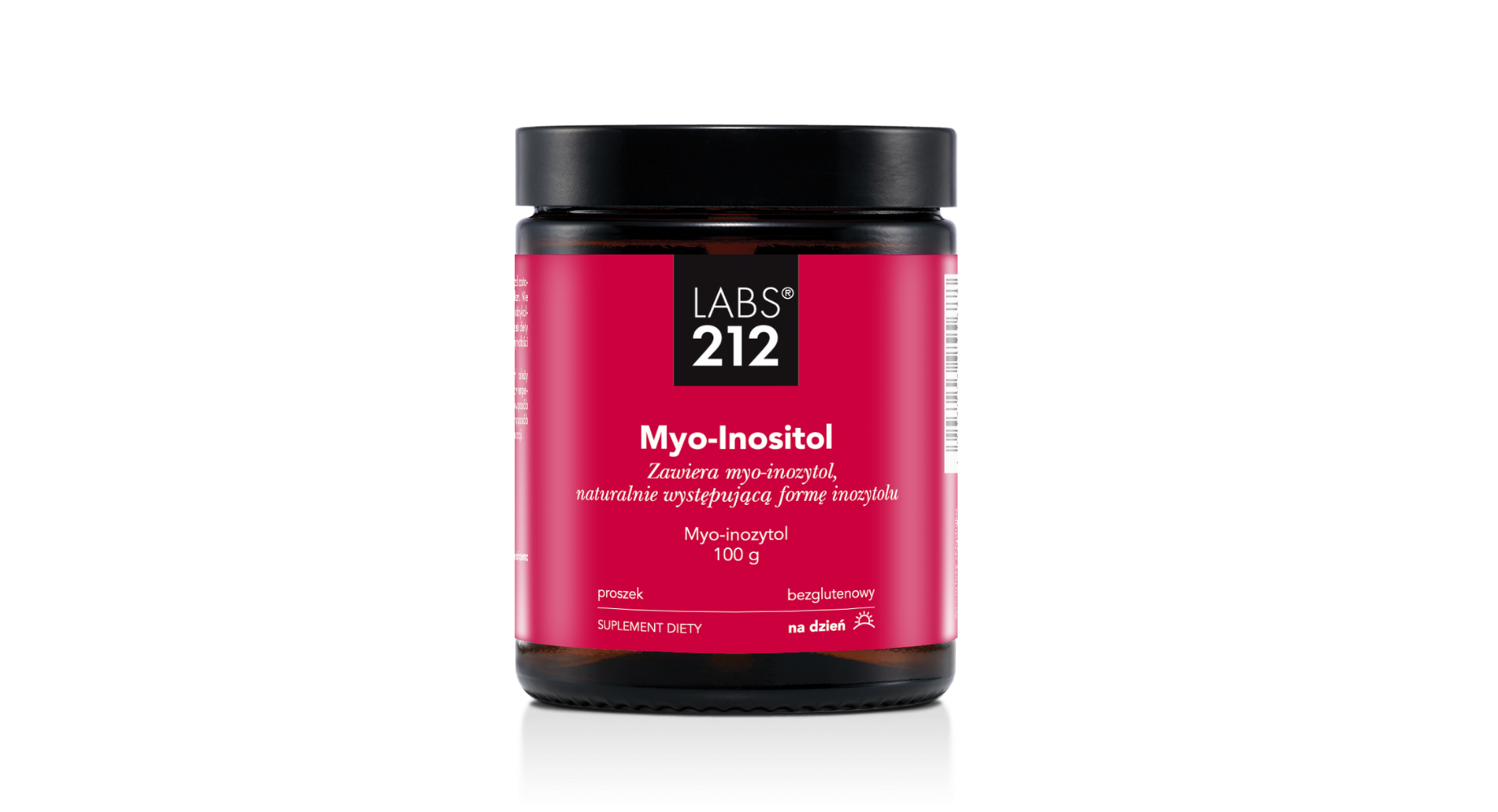
Myo-Inositol
Myo-inositol dietary supplement in powder form. Supports cognitive skills. PCOS support.MoreDietary supplement
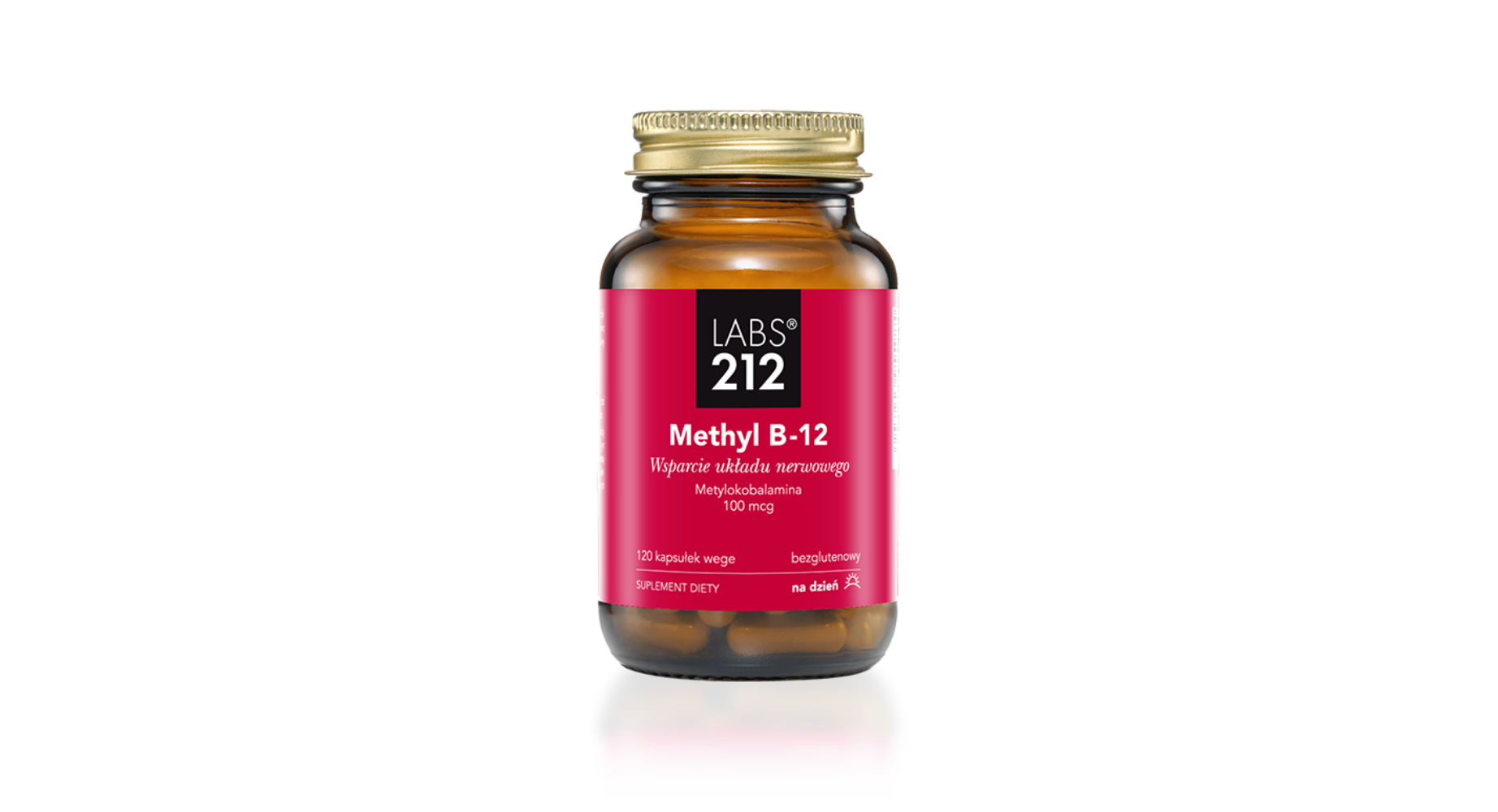
Methyl B-12
Dietary supplement Vitamin B12 Methylcobalamin is the biochemically active form of B12, is very important in the methylation process.More- Out of stock
Dietary supplement
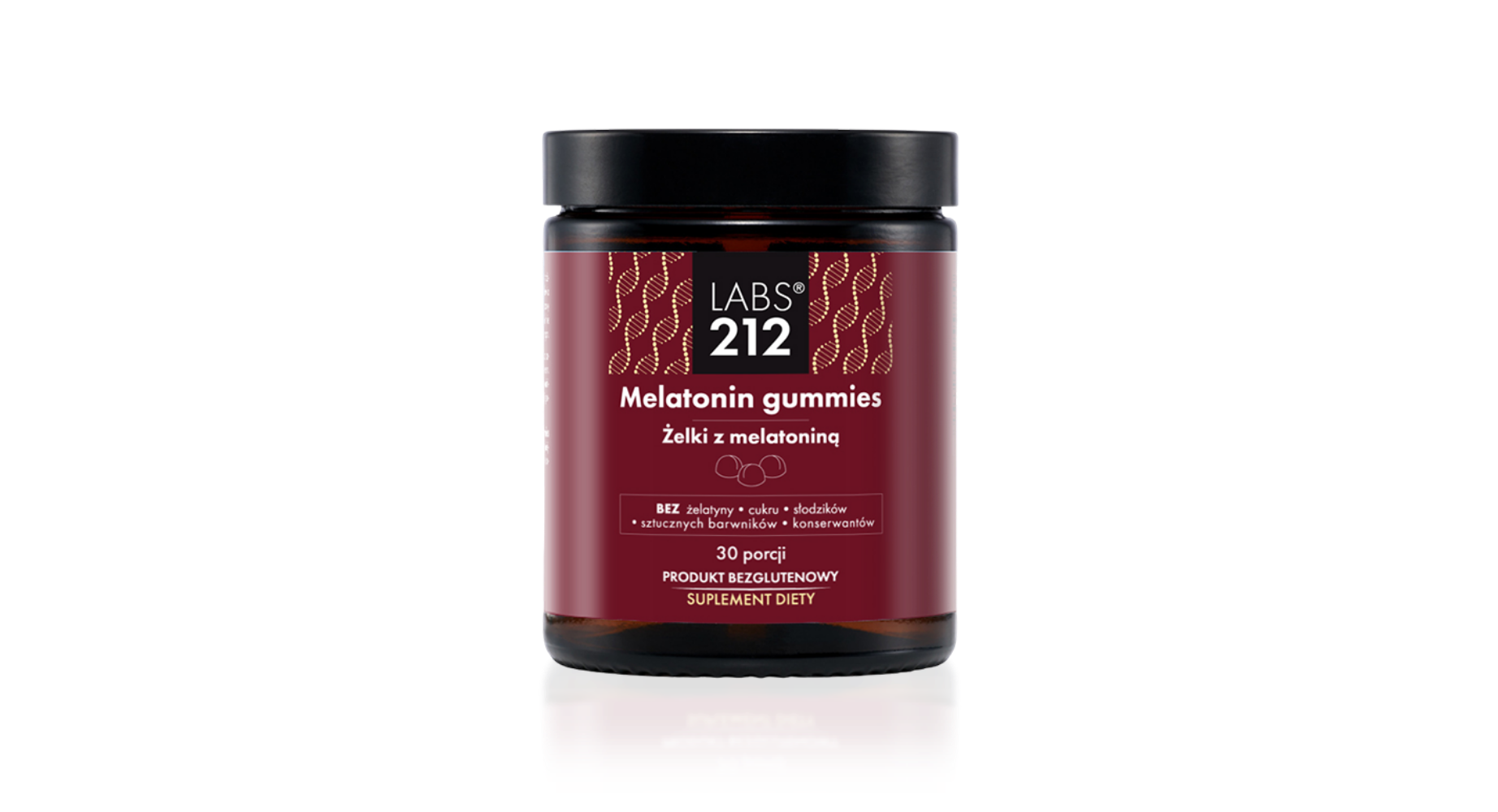
Melatonin gummies
Reduces difficulty falling asleep. Increased absorption in the oral mucosa.More69,99 zł
More Dietary supplement
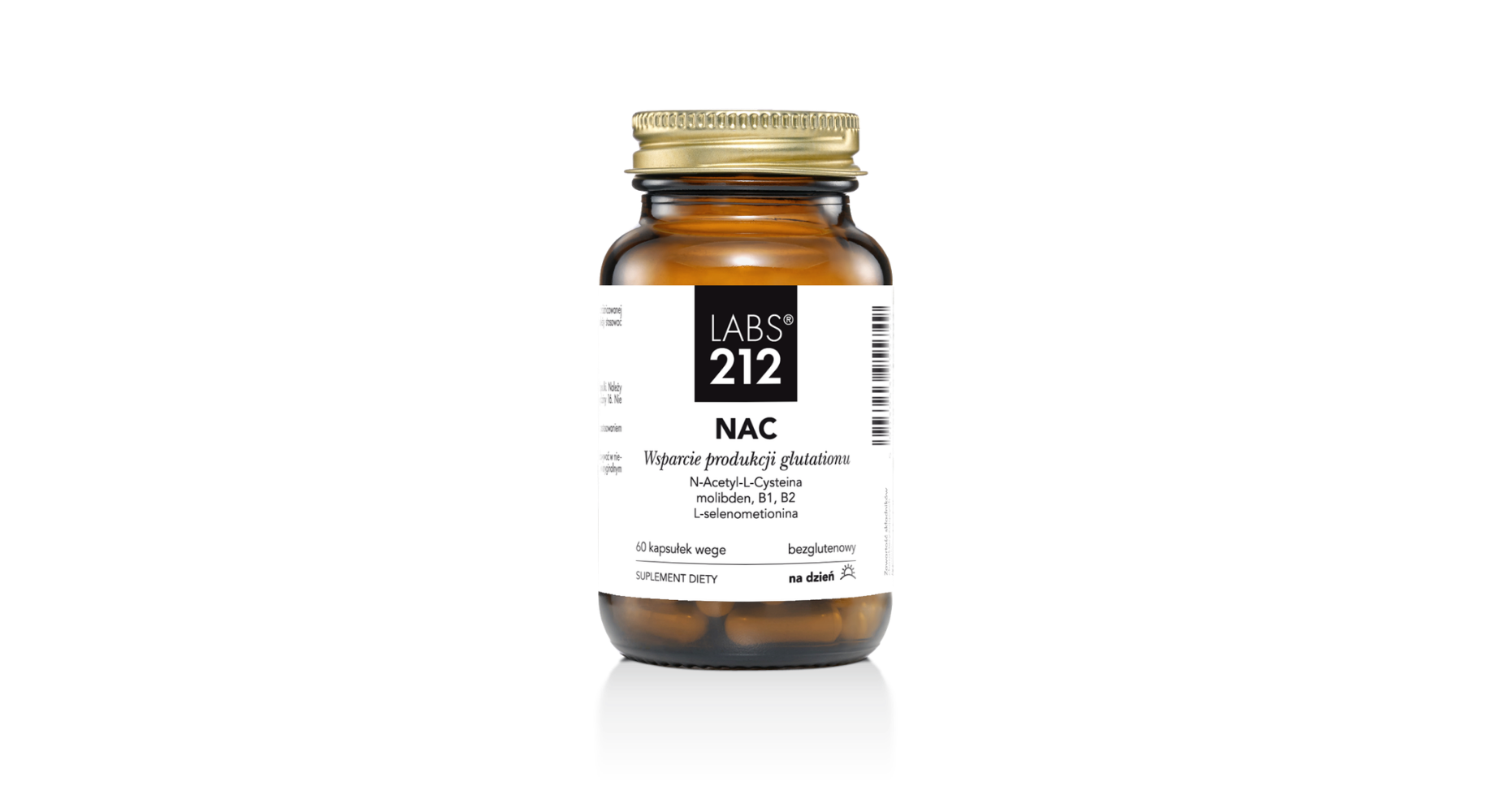
NAC
Strong antioxidant support. Combination of ingredients that support glutathione production. 600 mg NAC per daily dose.MoreDietary supplement
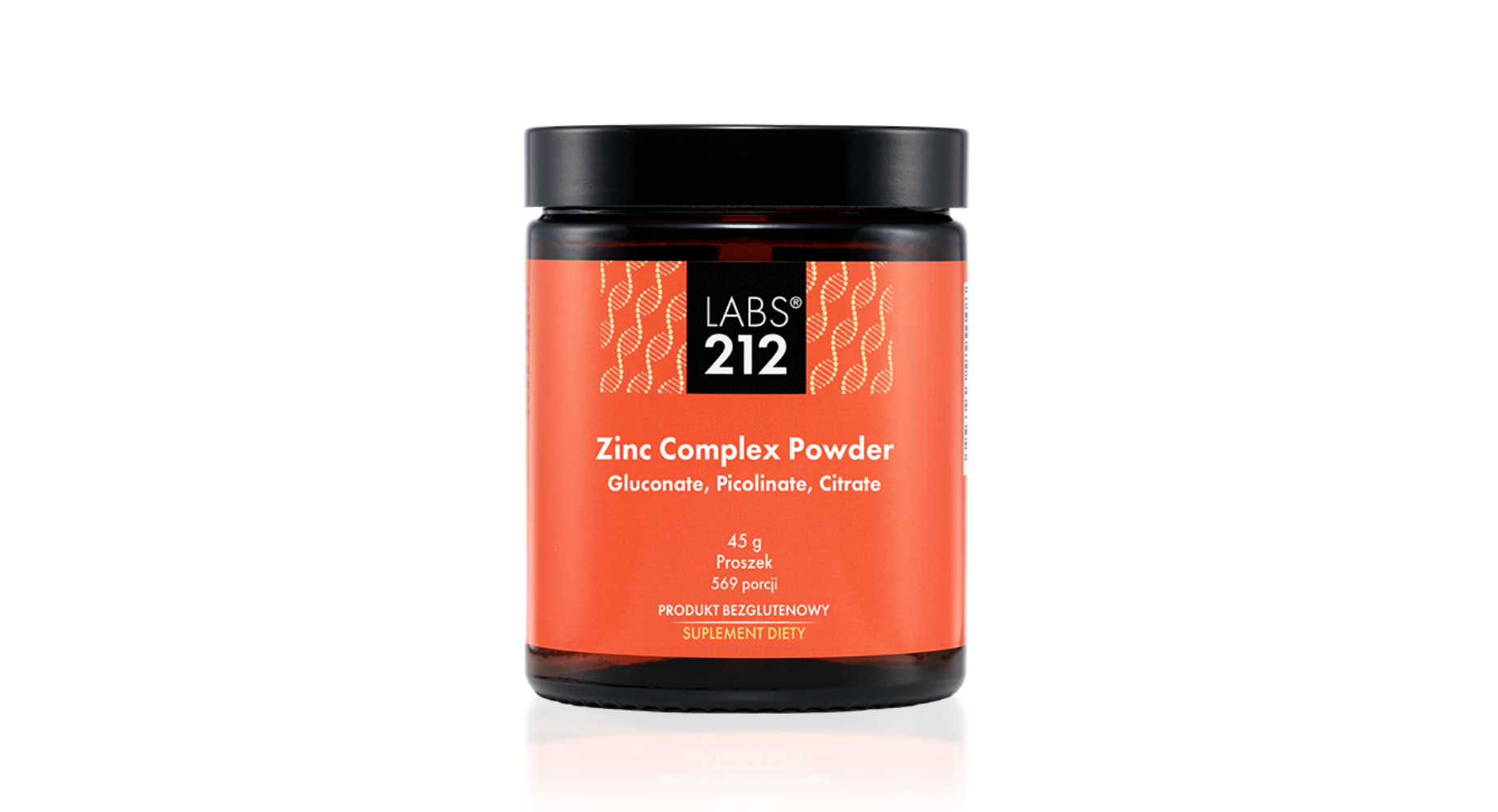
Zinc Complex Powder
A blend of 3 organic forms of zinc: picolinate, citrate, gluconate. 569 servings per container. Helps maintain normal immune system.MoreDietary supplement
Zinc Complex Capsule
A blend of 3 organic forms of zinc: picolinate, citrate, gluconate. Helps maintain normal immune system function.More