


Safe shopping guarantee. You will receive your product or your money back. See details
Dietary supplement
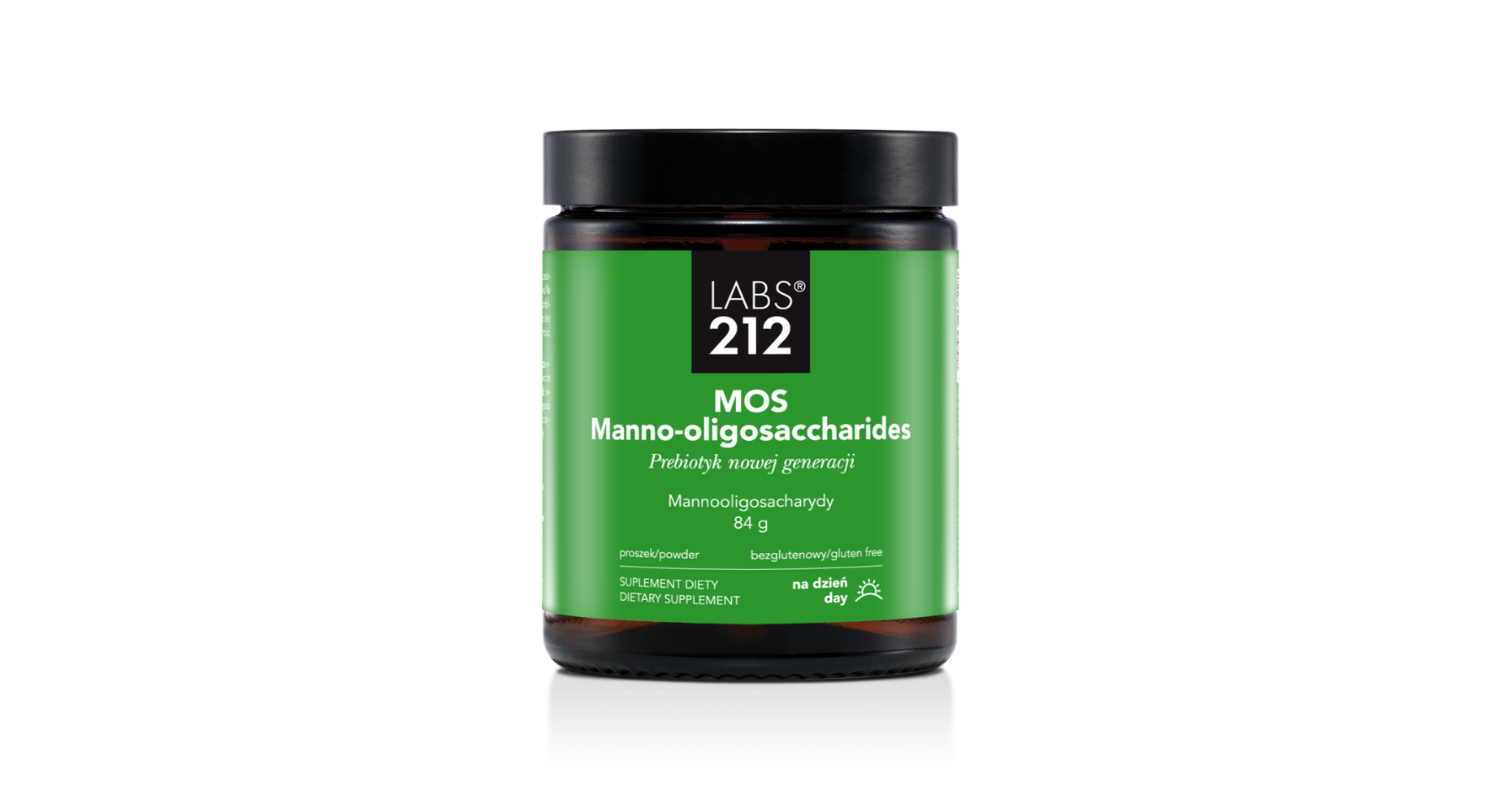
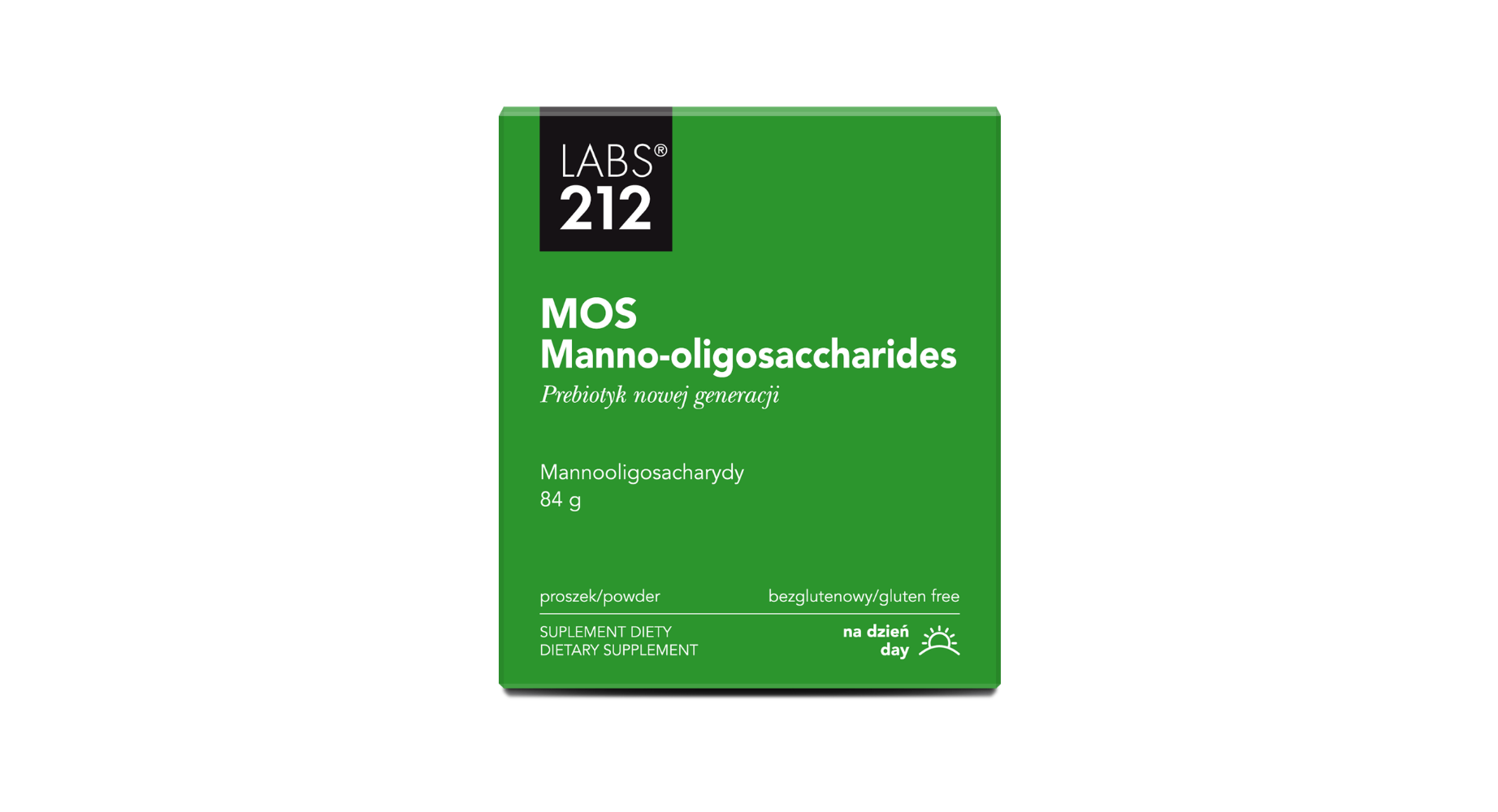
MOS Manno-oligosaccharides / NEW GENERATION PREBIOTIC
Mannanoligosaccharides
100% MOS , no additives, enhancers or preservatives
A new generation of prebiotics – MOS from Saccharomyces cerevisiae
Does not contain pesticides or pesticide residues, confirmed by tests
Multidirectional support for the intestinal barrier and immunity
High digestive tolerance
Microbiologically tested for the presence of heavy metals, pesticides, alkaloids and ethylene oxide
Quantity: 84 g/120 daily servings
Should be consumed before: 10/2028
Registered in GIS: BZ/SD/POW/PL1000D/011713/2026
Production certificates: GHP, GMP, HACCP, ISO 22000:2018, ISO 9001:2015
 Buried and manufactured in Poland
119,99 zł
488 in stock
Price per 100 g: PLN 129.76

 Free delivery within Poland from 250 zł
Previous lowest price was 119,99 zł.
A prebiotic that supports intestinal microflora
PREMIERE
Dietary supplement
MOS Manno-oligosaccharides / NEW GENERATION PREBIOTIC
Mannanoligosaccharides
100% MOS , no additives, enhancers or preservatives
A new generation of prebiotics – MOS from Saccharomyces cerevisiae
Does not contain pesticides or pesticide residues, confirmed by tests
Multidirectional support for the intestinal barrier and immunity
High digestive tolerance
Microbiologically tested for the presence of heavy metals, pesticides, alkaloids and ethylene oxide
Quantity: 84 g/120 daily servings
Should be consumed before: 10/2028
Registered in GIS: BZ/SD/POW/PL1000D/011713/2026
Production certificates: GHP, GMP, HACCP, ISO 22000:2018, ISO 9001:2015
- Buried and manufactured in Poland
119,99 zł
488 in stock
Previous lowest price was 119,99 zł.
Price per 100 g: PLN 129.76
Free delivery within Poland from 250 zł
Safe shopping guarantee. You will receive your product or your money back. See details
The MOS dietary supplement is a powder preparation containing MOS mannanoligosaccharides from the yeast Saccharomyces cerevisiae.
Manno-oligosaccharides (MOS) from the yeast Saccharomyces cerevisiae :
- are obtained from yeast cell walls , which makes them a valuable support for the body’s natural defense mechanisms located in the digestive system,
- effectively bind unfavorable bacteria and prevent them from adhering to the intestinal epithelium, which facilitates their safe expulsion from the body,
- support the development of physiological bacterial flora , creating optimal conditions for rebuilding and strengthening the tightness of the intestinal barrier,
- stimulate the immune system to respond better , contributing to an increase in the body’s overall resistance to external factors.
| INGREDIENT NAME | In a daily dose 1 scoop |
| Manno-oligosaccharides from the yeast Saccharomyces cerevisiae | 700 mg |
| – including MOS | 630 mg |
Ingredients: mannanoligosaccharides.
Gluten-free
Net weight: 84 g.
Portion recommended for consumption during the day : 700 mg (equivalent to 1 scoop included in the package).
Recommended dosage : dissolved in a glass of water. The product can be added to liquids and semi-liquids at room temperature or below.
Do not exceed the recommended daily dose. To maintain good health, a varied diet and a healthy lifestyle are recommended. Dietary supplements should not be used as a substitute for a varied diet. This product is recommended for adults.
Warning: Pregnant and breastfeeding women should consult a doctor before using the product.
Organoleptic properties: light powder with a neutral taste, easily soluble in water and other liquids.
Storage: MOS dietary supplement should be stored in a place protected from sunlight, at a temperature of 5-25 ° C, in the original packaging, out of reach of small children.
Production batch number/ Best before end – information can be found on the individual label (left side of the label).
Batch tests performed:
- microbiology, presence of: listeria, staphylococcus, escherichia coli and coliforms, salmonella , mold, yeast, total number of microorganisms,
- presence of: echimidine and heliosupine, erucifolin, europine, heliotrin, intermedina, jacobin, lasjocarpine, licopsamine and indicine, monocrotaline, echimidine N-oxide, erucifolin N-oxide, europine N-oxide, heliosupine N-oxide, heliothrin N-oxide, Intermedin N-oxide, Indicin N-oxide, Echinatin N-oxide, Rinderin N-oxide, Jacobin N-oxide, Lasiocarpine N-oxide, Lycopsamine N-oxide, Moncrotaline N-oxide, Retrorzyne N-oxide, Usaramine N-oxide, Senecionine N-oxide, N-oxide integerrimine, senecyvernine N-oxide, seneciphylline N-oxide, sparthioidine N-oxide, retrorzyne, usaramine, rinderine and echinatin, seneciphylline, sparthioidine, senecyvernine, integerrimine, senecionine, senkirkine, trichodesmin, atropine, scopolamine,
- presence of pyrrolizidine and tropane alkaloids,
- heavy metals (arsenic, cadmium, lead, mercury),
- pesticides,
- ethylene oxide and 2-chloroethanol,
- gluten content.
The research was carried out in the independent, accredited GBA Polska Laboratory – Accreditation Certificate No. AB 1095 and in the Institute of Horticulture of the National Research Institute – Accreditation Certificate No. AB 757.




Link to research 1
Mannanoligosaccharides (MOS) from yeast
Mannanoligosaccharides obtained from the cell walls of the yeast Saccharomyces cerevisiae act as a valuable support for the natural defense mechanisms found in the digestive system. These compounds effectively support the balance of intestinal microbiota, helping to maintain proper intestinal function and stimulating the immune system to better respond to external factors.
MOS - discover how it works!
Learn the differences between prebiotics and probiotics.
Probiotic
Probiotics are living microbial cells (primarily lactic acid bacteria of the genera Lactobacillus and Bifidobacterium ) that exhibit specific biochemical characteristics that enable them to survive the harsh conditions of the gastrointestinal tract. A key element of their metabolism is the homo- or heterofermentative fermentation of carbohydrates , which converts glucose into lactic acid and short-chain fatty acids (SCFAs).
This process drastically lowers the pH in the intestinal lumen, creating an unfavorable, acidic environment that inhibits the proliferation of pathogenic putrefactive bacteria. Furthermore, the biochemical activity of probiotics includes the production of specific enzymes (such as beta-galactosidase) and the synthesis of antibacterial substances, such as bacteriocins and hydrogen peroxide , which selectively destroy the cell membranes of pathogenic microorganisms.
Prebiotic
Prebiotics are organic compounds of oligosaccharide and polysaccharide nature (such as PHGG fiber, MOS mannanoligosaccharides, or arabinogalactan) that are not digested by human endogenous enzymes (e.g., salivary amylase or small intestinal brush border enzymes). Due to their specific glycosidic bonds (often beta-type), the human digestive system lacks the enzymes capable of hydrolyzing them, allowing these molecules to reach the large intestine intact.
In the large intestine, prebiotics undergo bacterial anaerobic (anaerobic) fermentation by endogenous microflora. This pathway leads to the breakdown of complex sugar chains into simpler monomers and the subsequent synthesis of short-chain fatty acids (SCFAs), primarily acetic acid, propionic acid, and butyric acid. Butyric acid, in particular, plays a key biochemical role, serving as the primary energy source (nutrient substrate) for colonocytes (intestinal epithelial cells), stimulating their proliferation, sealing the intestinal barrier, and modulating the local immune response.
Mannanoligosaccharides (MOS) are specific polysaccharides that compose the outer cell wall of yeast and act as advanced modulators of the intestinal environment. From a biochemical perspective, their key role is to competitively bind pathogens . Many pathogenic bacteria (possessing lectins, or adhesion proteins, on their surface) strive to anchor themselves to the intestinal epithelium, which is the first step towards infection and disruption of the microbiome.
The structure of MOS mimics intestinal epithelial receptors, allowing harmful microorganisms to readily “stick” to MOS molecules rather than to the intestinal walls. The resulting complex is then safely eliminated from the body along with fecal masses through peristalsis. This mechanism not only protects the intestinal barrier from colonization by pathogens but also relieves the local immune system (GALT – gut-associated lymphoid tissue) and stimulates the growth of beneficial saprophytic bacteria, which gain space to dominate the intestinal ecosystem.

Compose your treatment with LABS212®
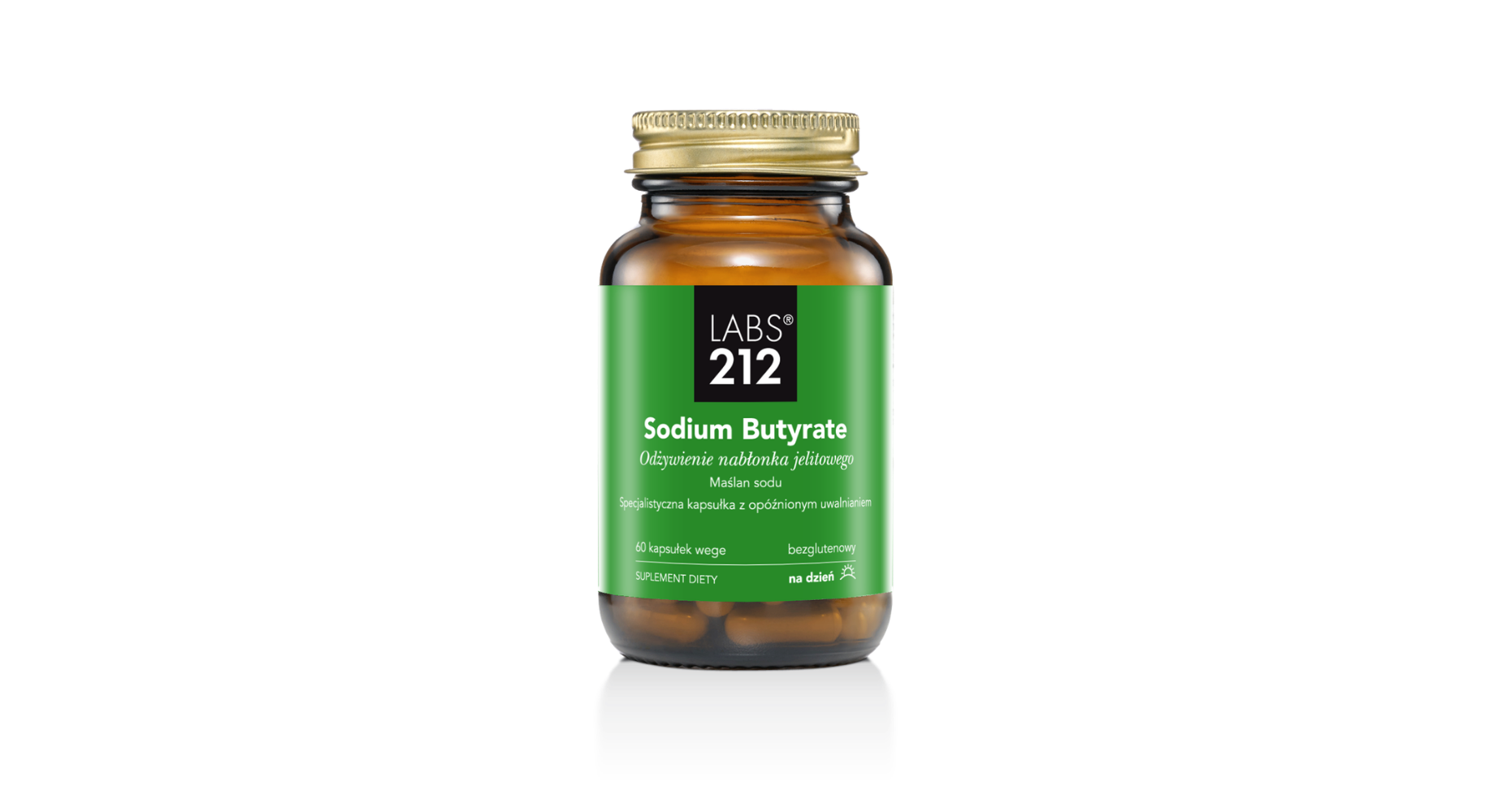
Discover other LABS212® products
-
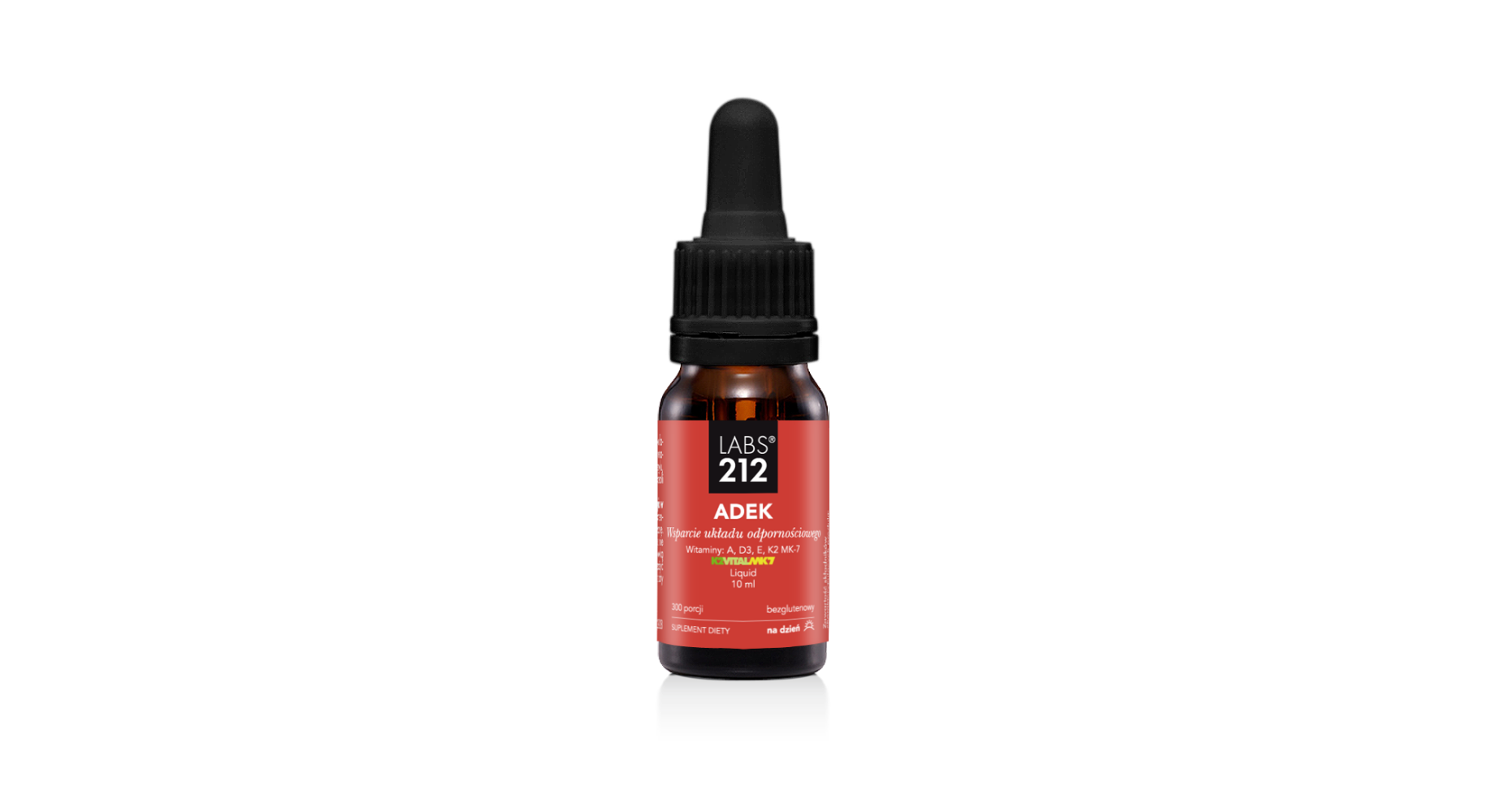
Dietary supplement
ADEK Liquid
Support for the immune system. 300 servings per container. Liquid formula with MCT oil.More -
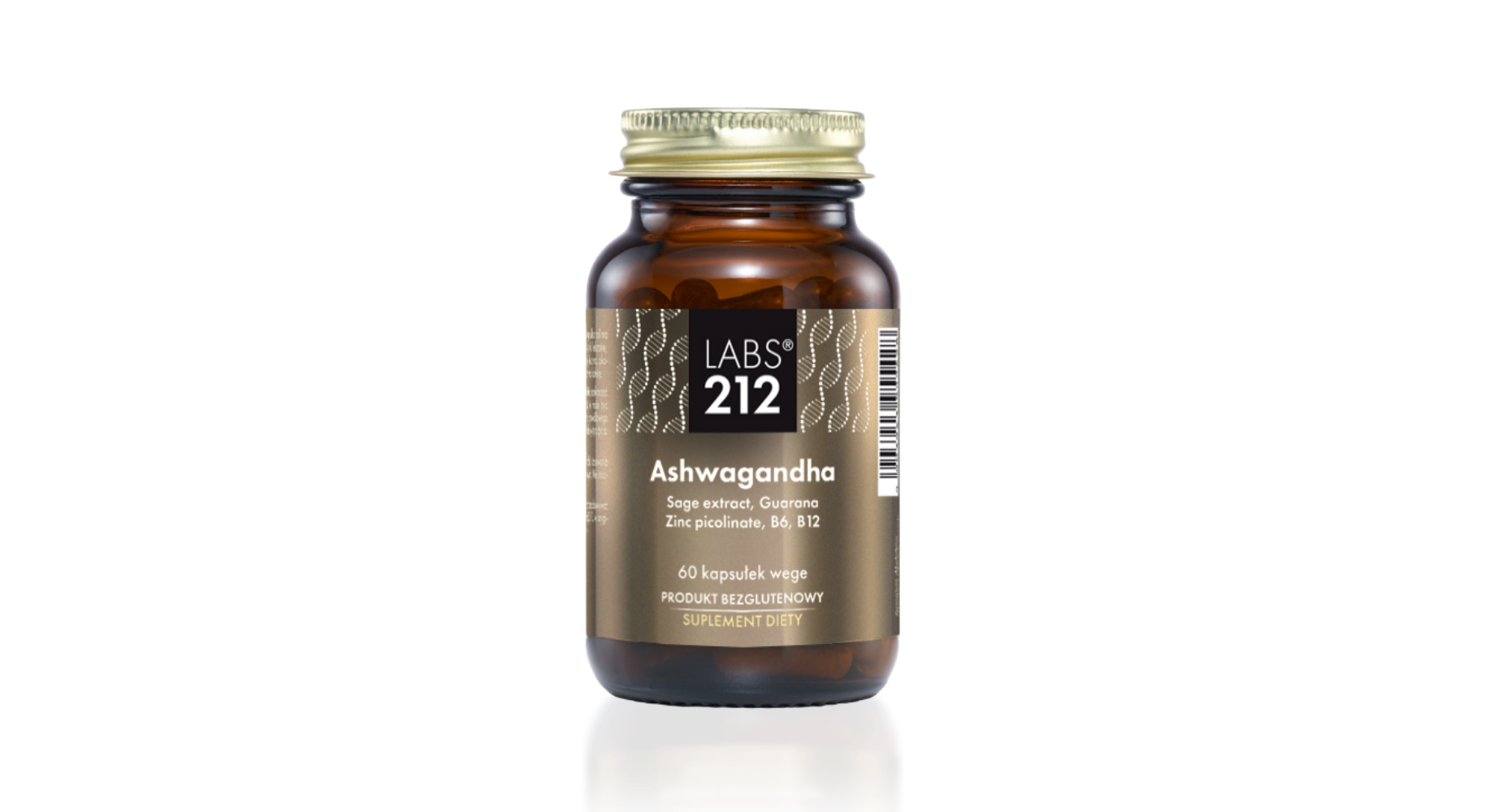
Dietary supplement
Ashwagandha
Helps reduce stress, lower cortisol levels, and anxiety. Ashwagandha, Sage, Guarana, Zinc, B6 and B12More -
-

Dietary supplement
Beauty Hair™
Comprehensive support for hair, skin, and nails. Keratin Cynatine®, L-cysteine, L-methionine, bamboo shoot extract, sabal palm extract, celery seed extract, B3, B5, B6, biotin, my-inositol, PABA, zinc.More -
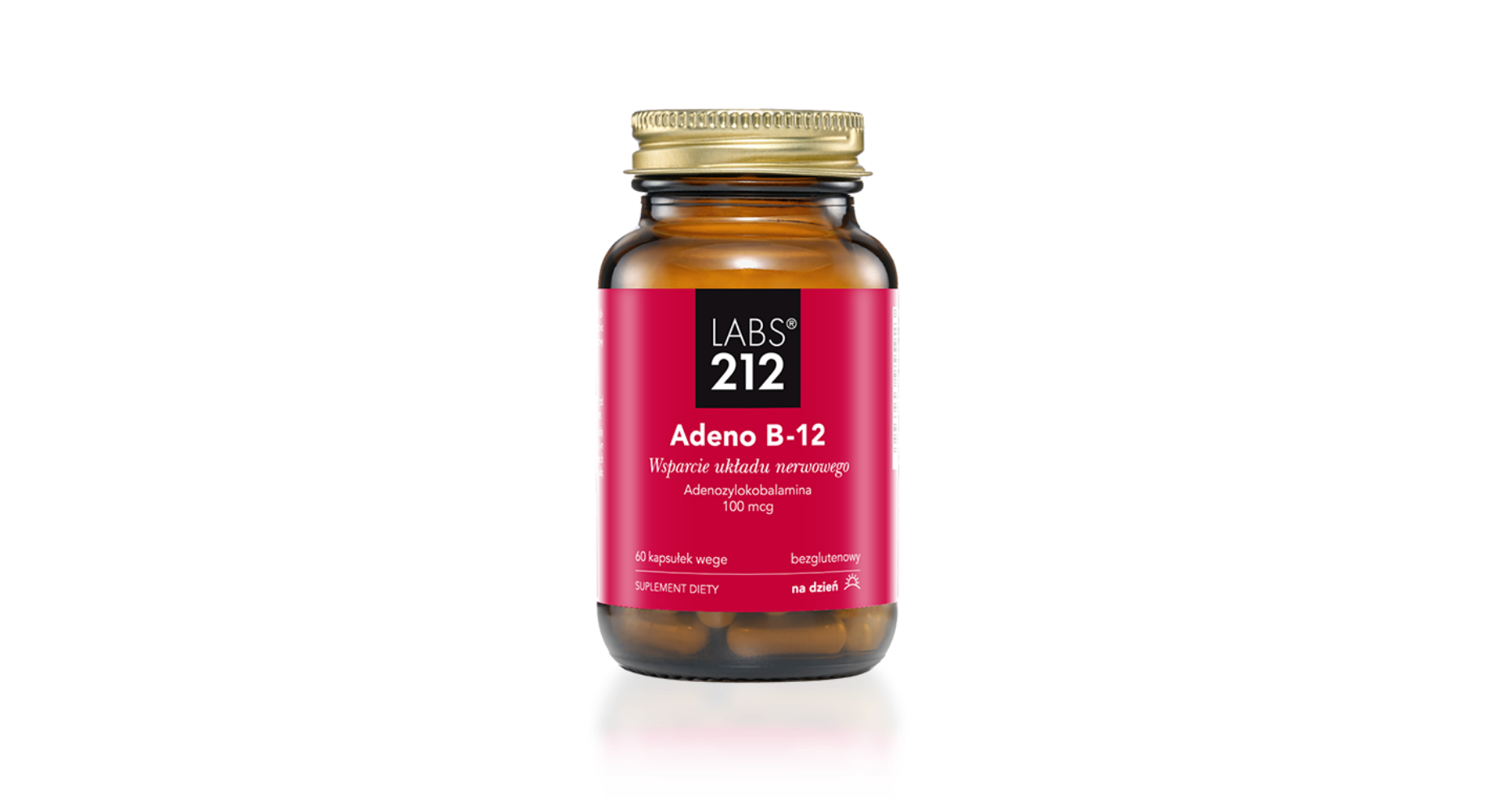
Dietary supplement
Adeno B-12
Dietary supplement Vitamin B12 Methylcobalamin is the biochemically active form of B12, is very important in the methylation process.More -
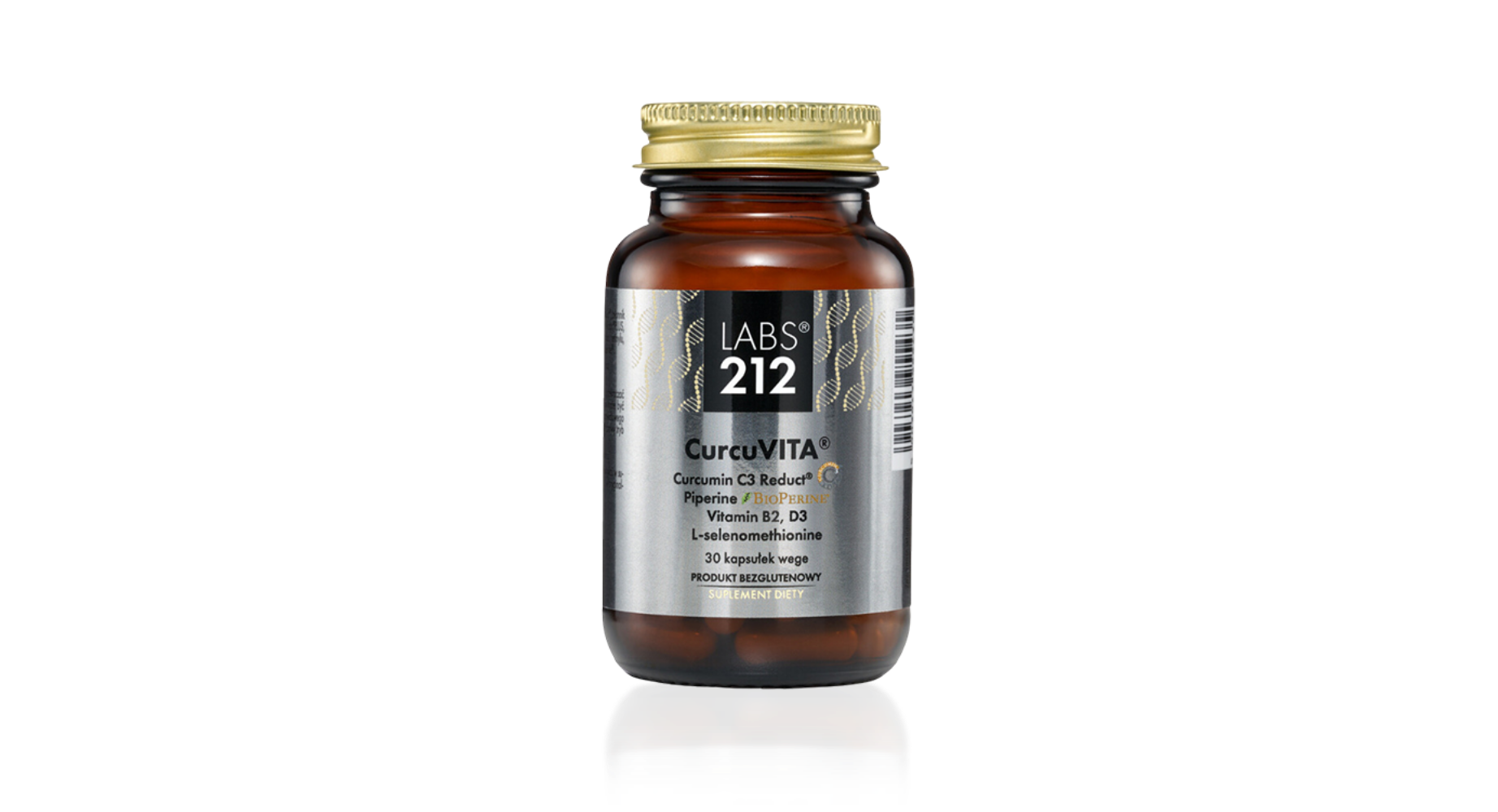
Dietary supplement
CurcuVITA®
A new generation turmeric extract C3 Reduct®. Standardized to contain 95% tetrahydrocurcuminoids.More -
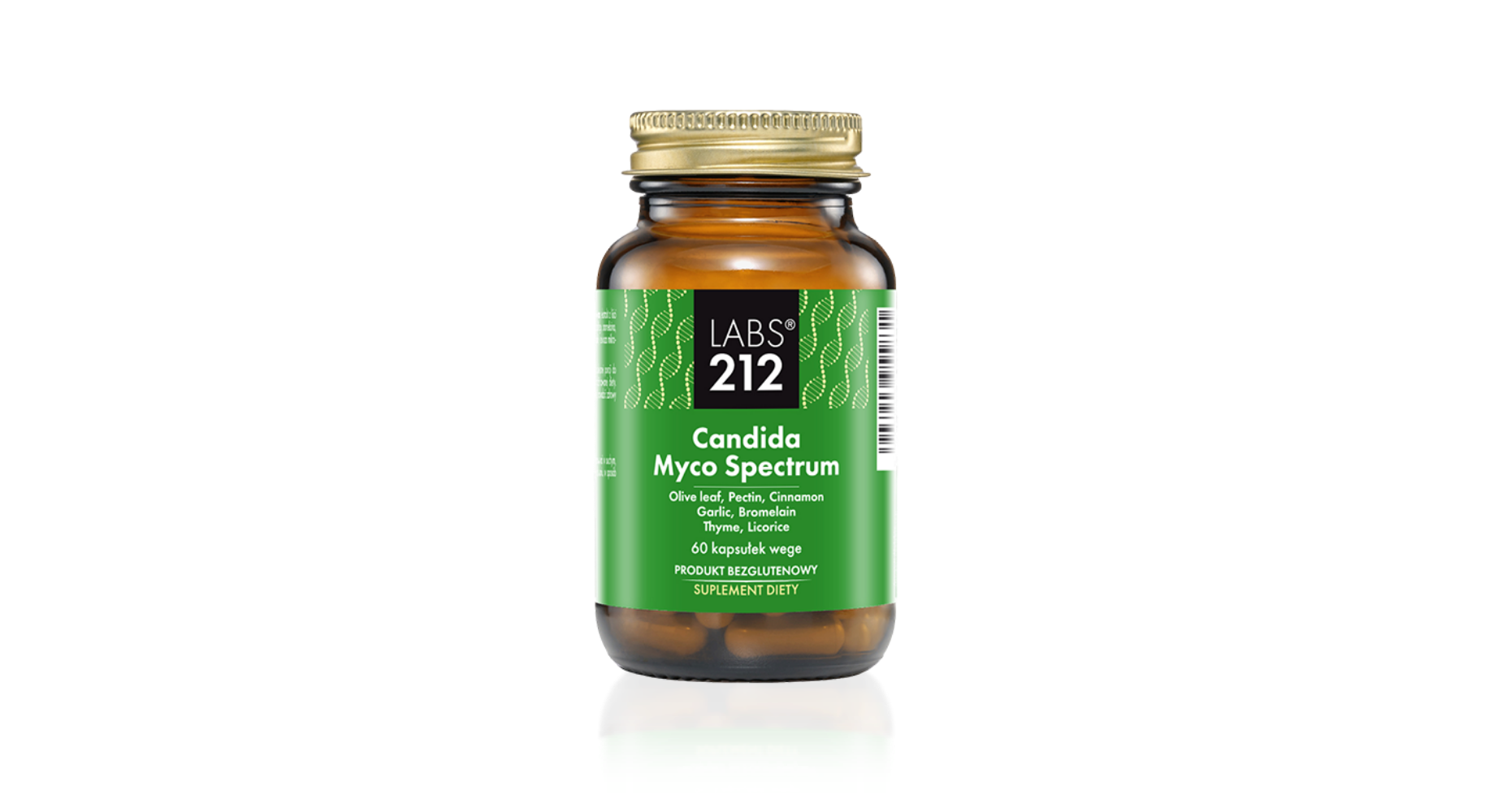
Dietary supplement
Candida-Myco Spectrum
Support for proper gut balance. 7 active ingredients: pectin, olive leaf extract, cinnamon, garlic, thyme, licorice, bromelain.More -
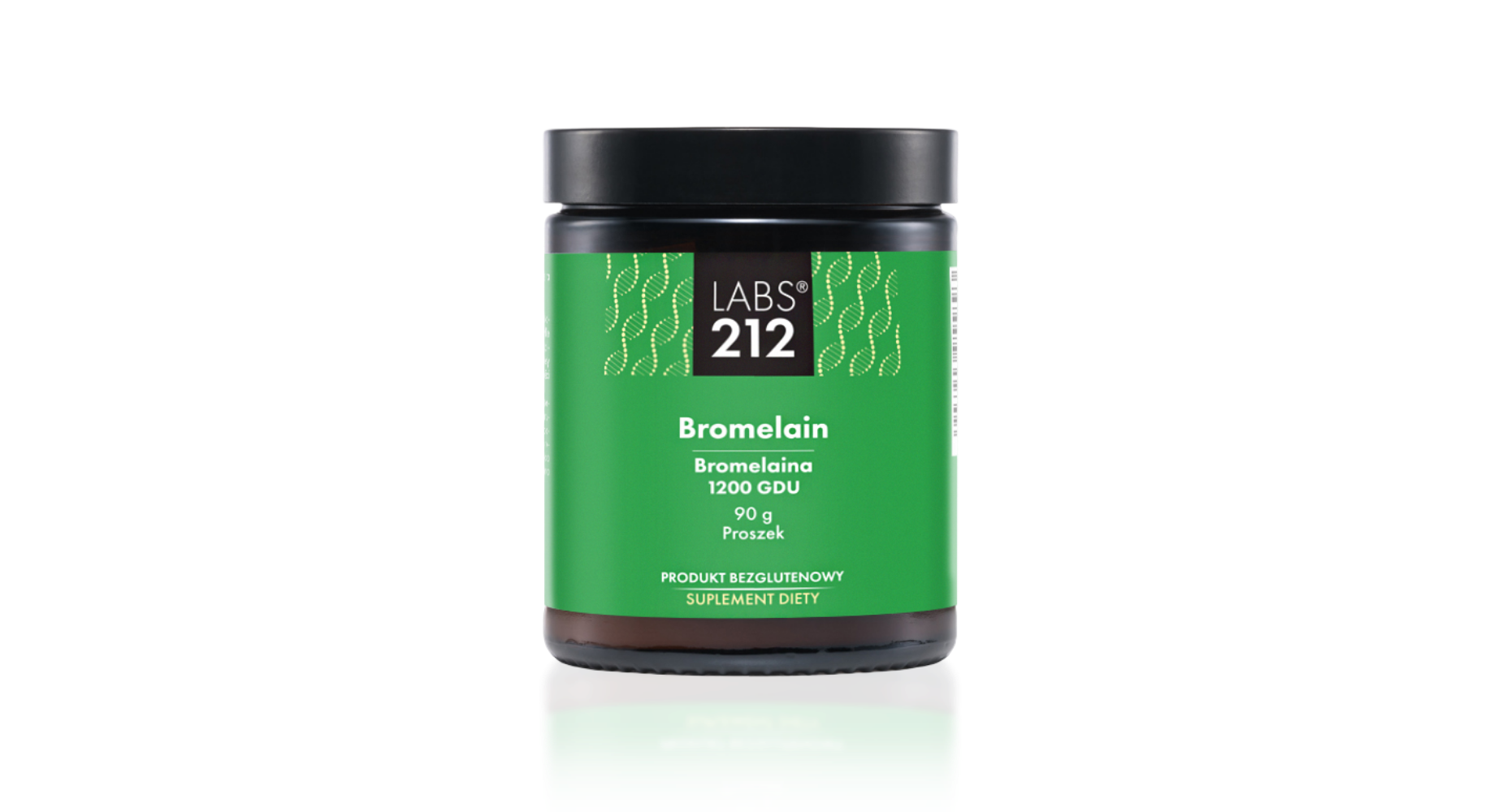
Dietary supplement
Bromelain
Support for digestion and relief of digestive discomfort. High enzymatic activity: 1200 GDUMore -
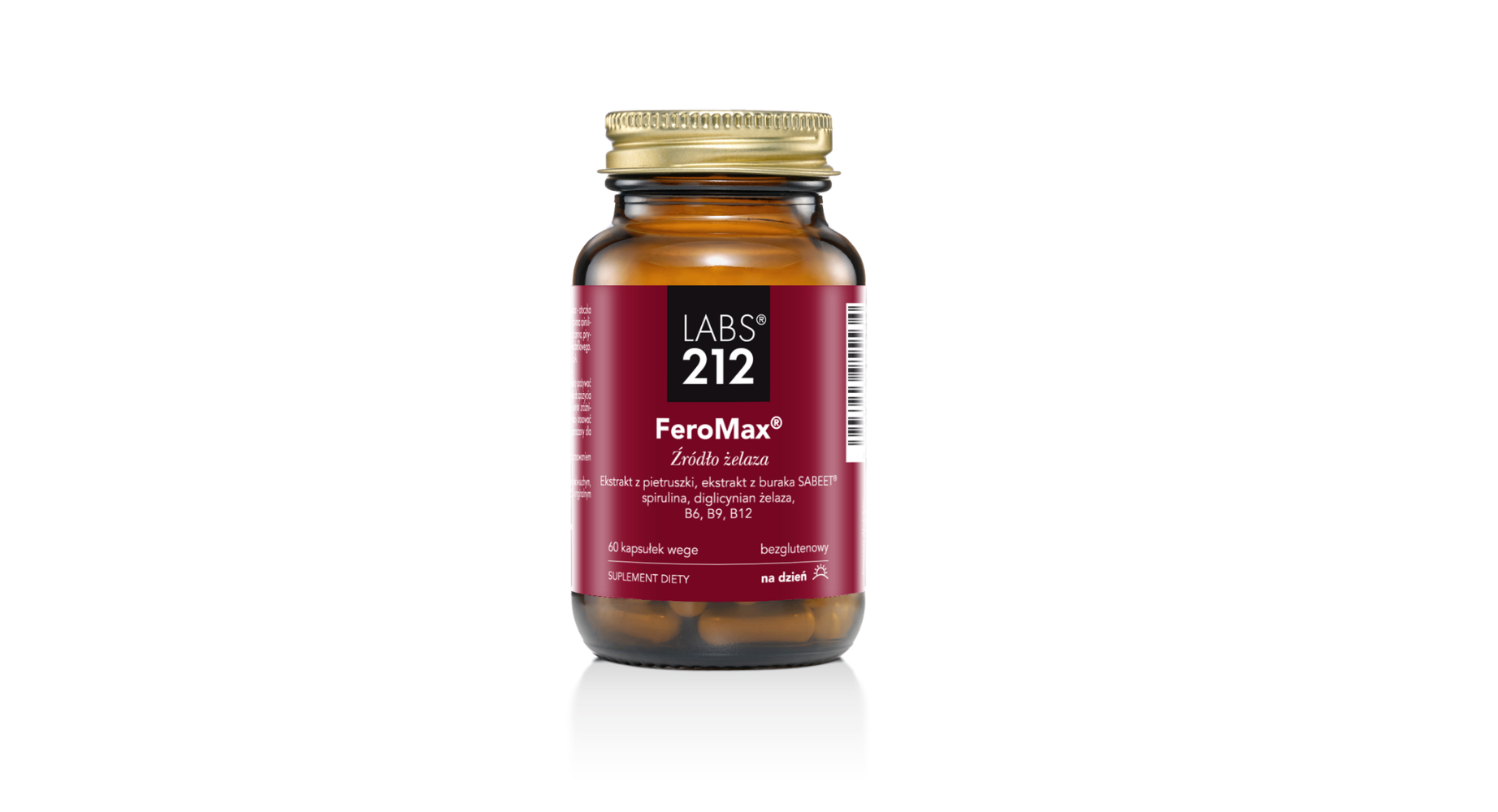
Dietary supplement
FeroMax®
Support in the proper production of red blood cells and hemoglobin. Support in anemia, iron and ferritin deficiency.More -
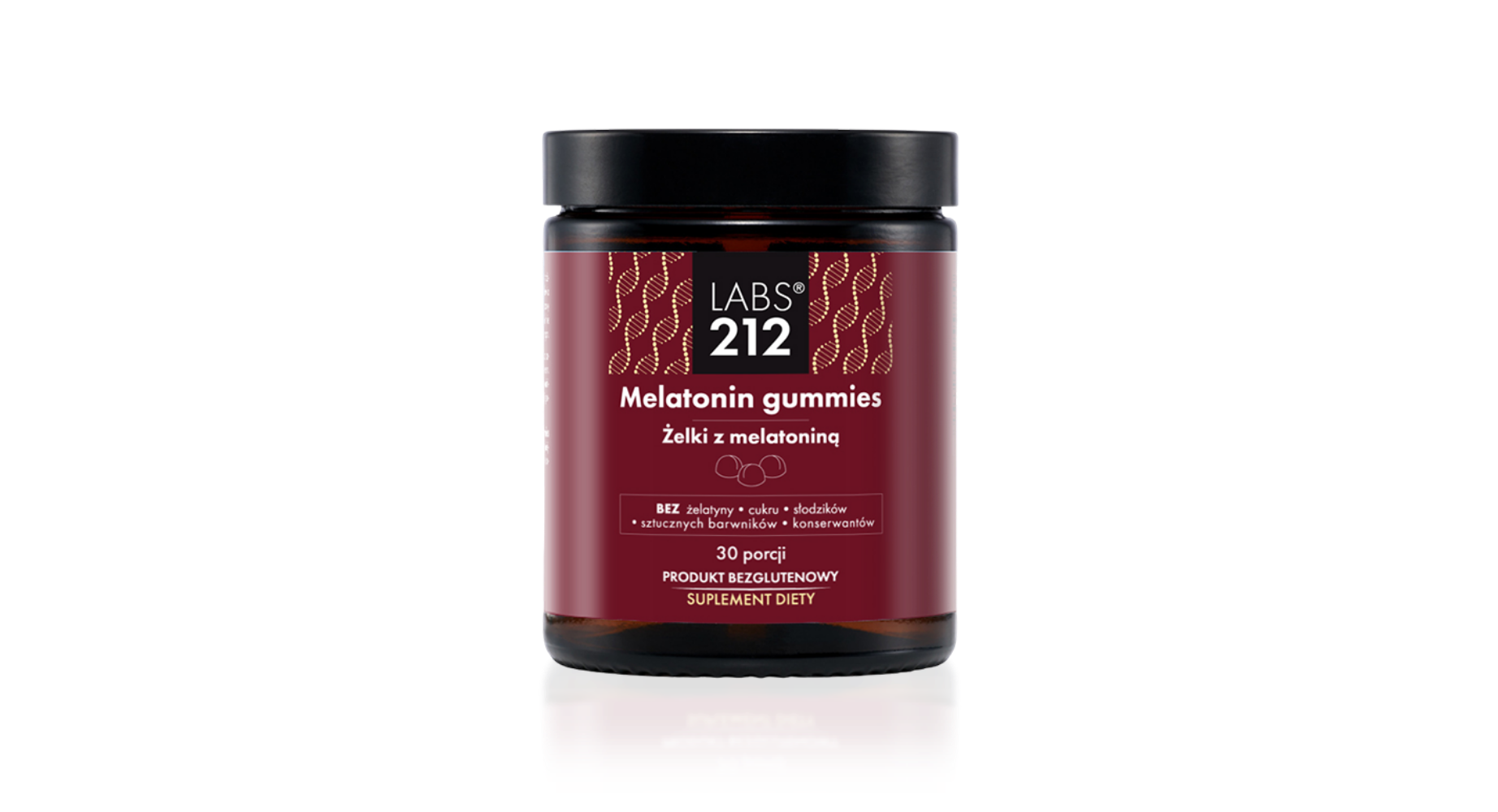
Dietary supplement
Melatonin gummies
Reduces difficulty falling asleep. Increased absorption in the oral mucosa.More -

Dietary supplement
Magnesium taurate, malate
Supports the nervous system and maintains normal psychological functions. Blend of two organic magnesium forms of high absorption.More -
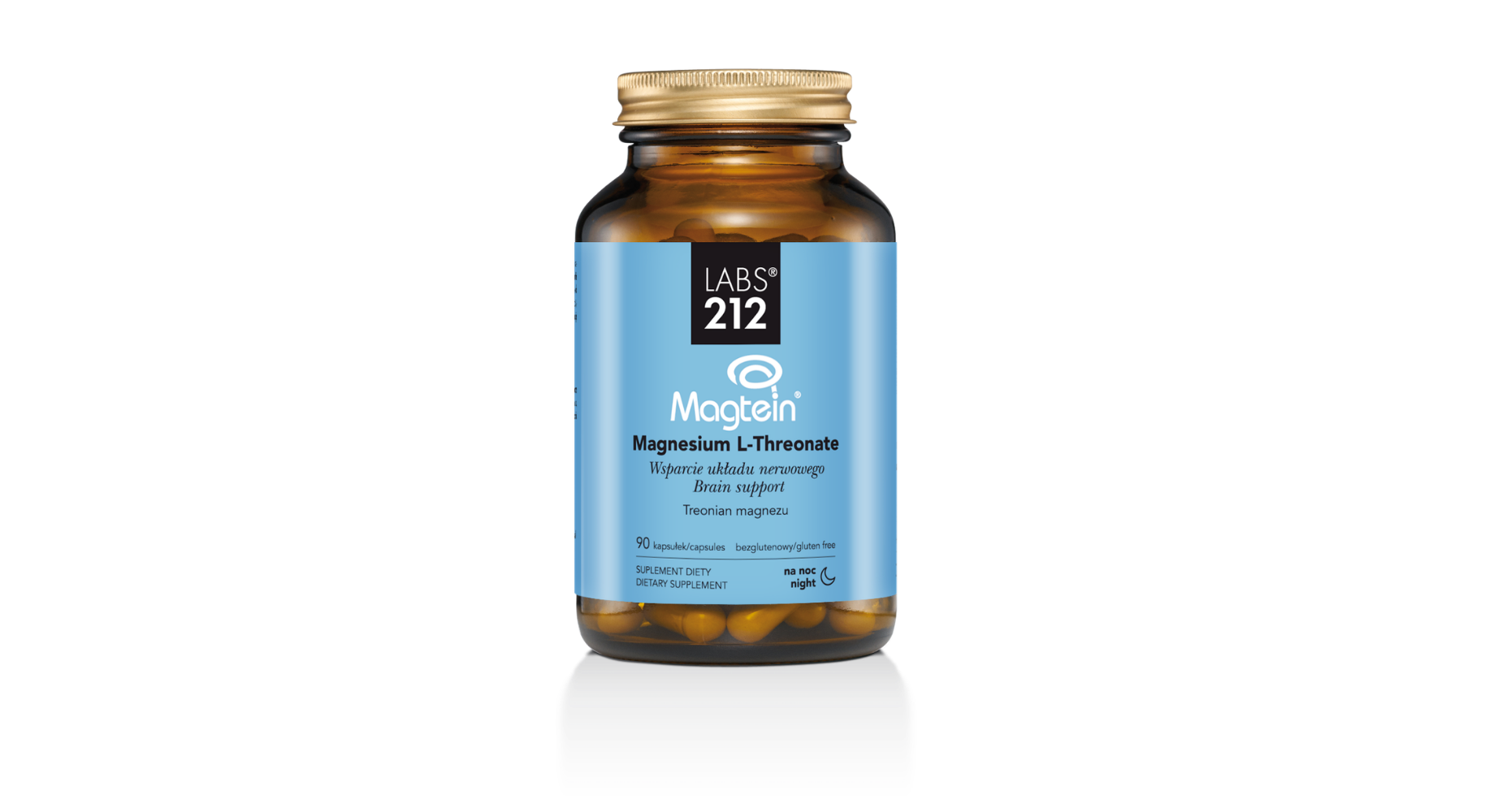
Dietary supplement
Magnesium L-Threonate Magtein®
Support for memory and concentration, increased energy levels. The only patented form of magnesium on the market that effectively crosses the blood-brain barrierMore -
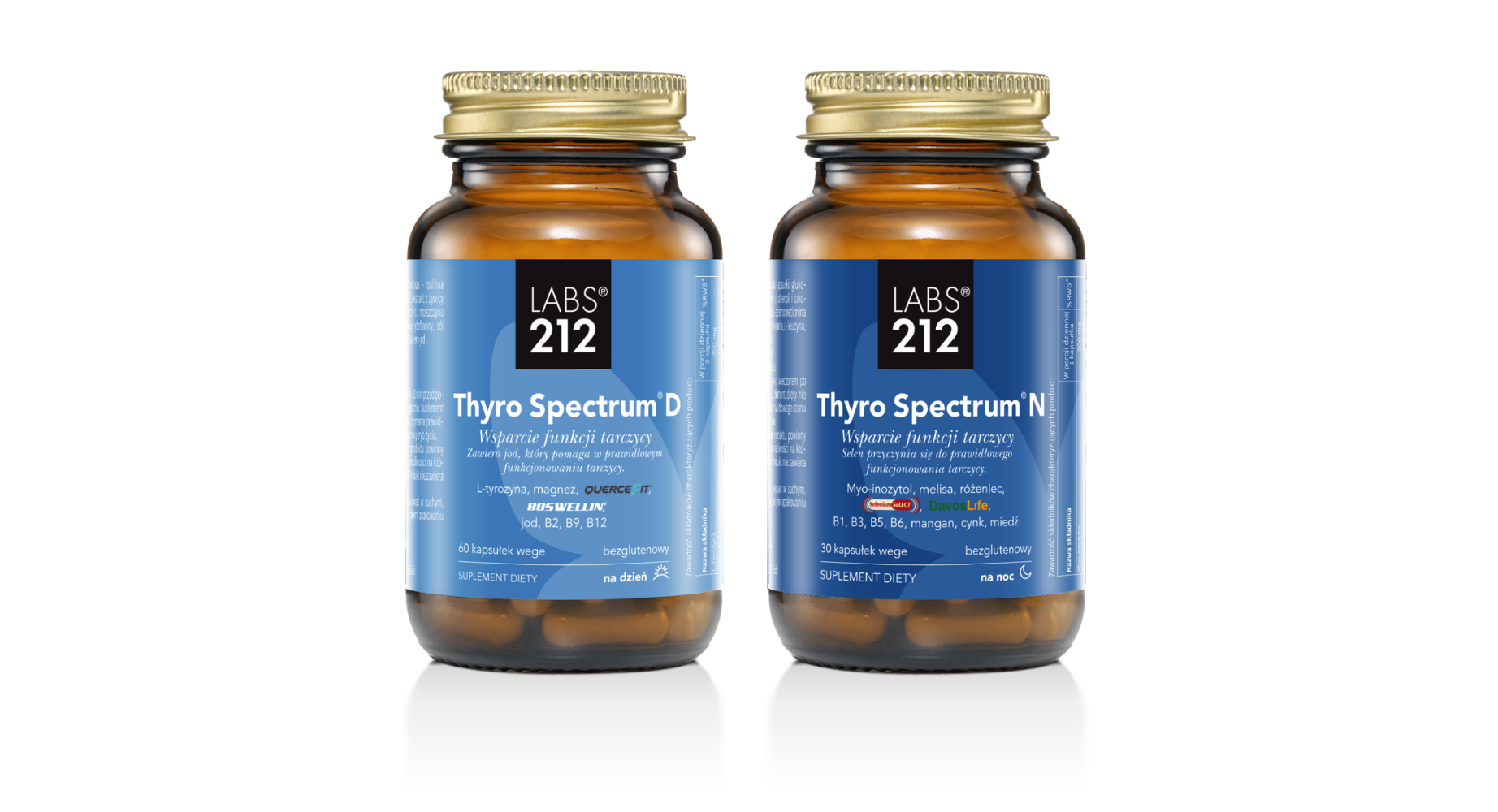
Dietary supplement
Thyro Spectrum® Day and Night Bundle
Helps maintain normal thyroid function – day and night support.More -

Dietary supplement
Voucher prezentowy 500 zł
Karta podarunkowa w formie fizycznej lub elektronicznej na zakupy w naszym sklepie internetowym.More -
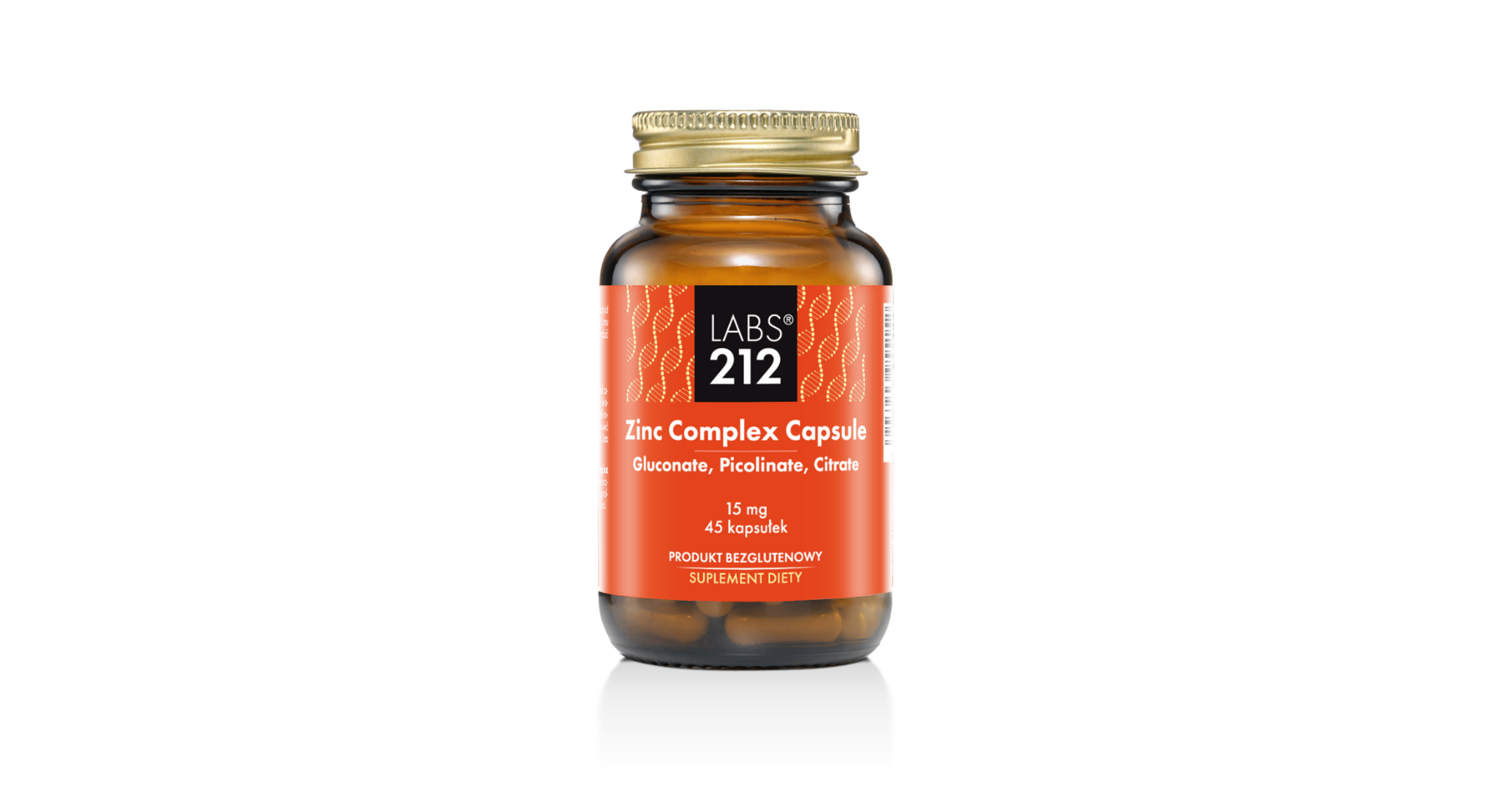
Dietary supplement
Zinc Complex Capsule
A blend of 3 organic forms of zinc: picolinate, citrate, gluconate. Helps maintain normal immune system function.More -
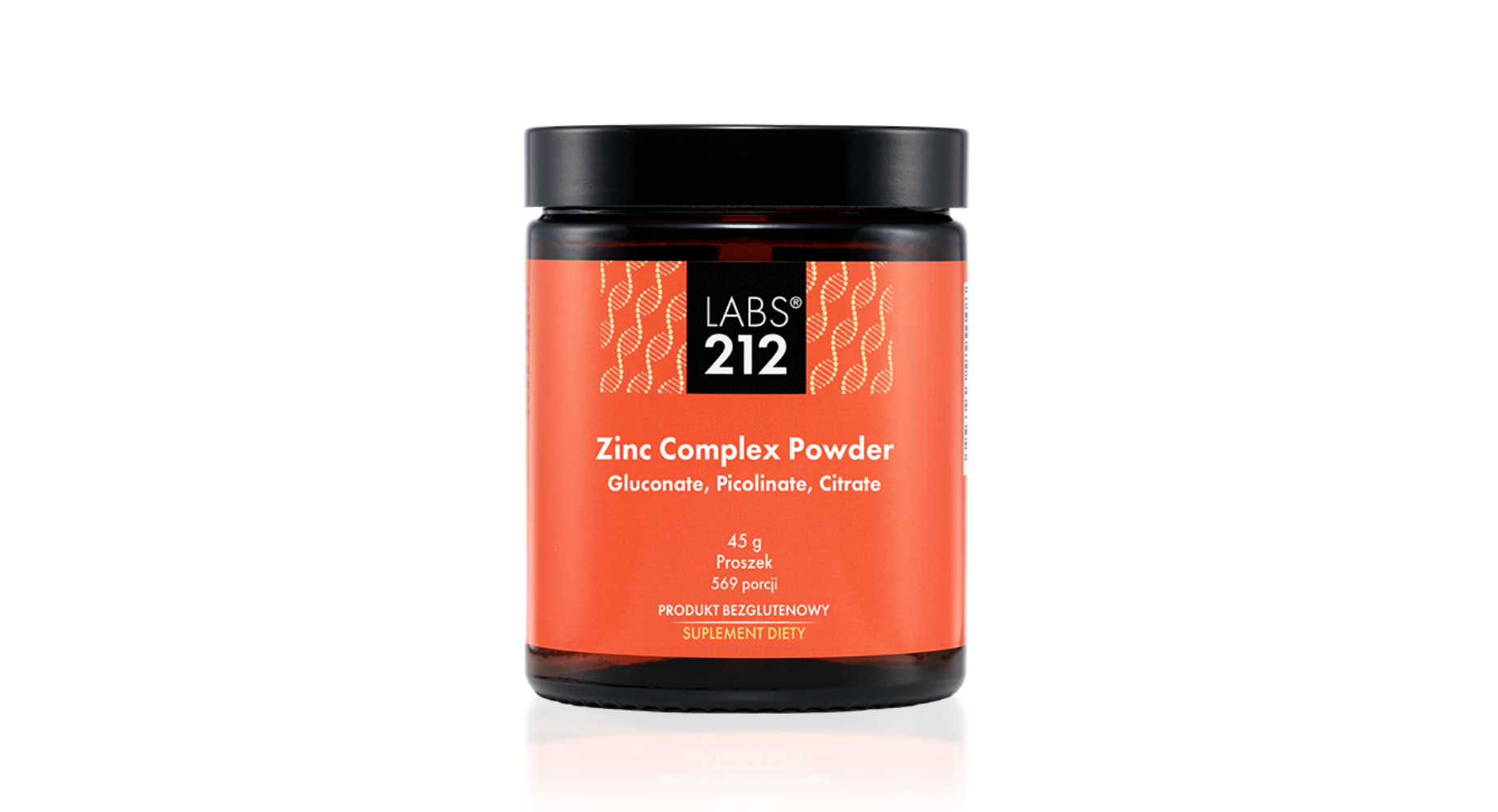
Dietary supplement
Zinc Complex Powder
A blend of 3 organic forms of zinc: picolinate, citrate, gluconate. 569 servings per container. Helps maintain normal immune system.More


