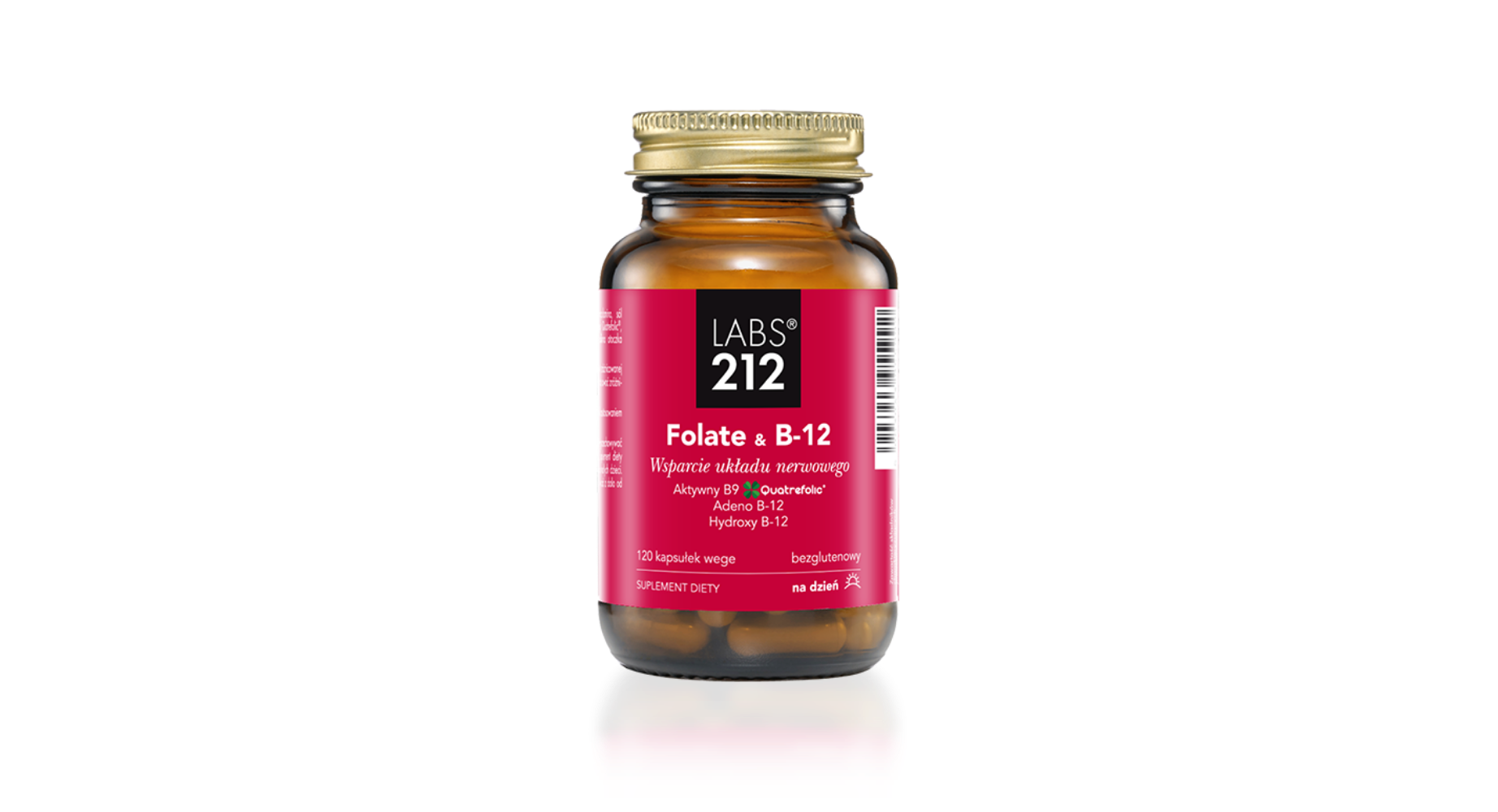
Encapsulated and manufactured in Poland

 Free delivery within Poland from 250 zł






Concentration can and should be trained!
What disrupts concentration?
Health-related factors:
Deficiencies in vitamins and minerals
Hypothyroidism
Hypoglycemia / insulin resistance
Hormonal imbalances (pregnancy, PMS, menopause)
Gut issues such as dysbiosis or inflammation
Chronic fatigue syndrome, anemia
Improper oxygenation
Psychological and emotional factors:
Chronic stress
Anxiety, nervousness
Depression or burnout
Overstimulation
Anxiety disorders, ADHD, OCD
Environmental factors:
Lack of sleep or poor-quality sleep (even one night without sleep can reduce concentration by 30–40%)
Lack of physical activity
Excessive screen time and notifications
Multitasking (doing several things at once weakens focus)
Poor nutrition (high sugar intake, lack of fiber and protein)
Dehydration
Lack of natural light and fresh air
Stimulants and substances:
Too much caffeine (leads to jitters, anxiety, and “scatter-brain” effect)
Addictions such as smoking, alcohol, or drugs – may offer short-term focus but impair it long-term
Medications affecting the nervous system (e.g. sedatives, certain painkillers)
Work style and mental habits:
No breaks or sitting too long on one task
Time pressure and high expectations (the brain switches into “panic mode”)
Poor time management (constantly “jumping” between tasks)
Working in a distracting environment (phone, noise, roommates).