Encapsulated and manufactured in Poland
 Free delivery within Poland from 250 zł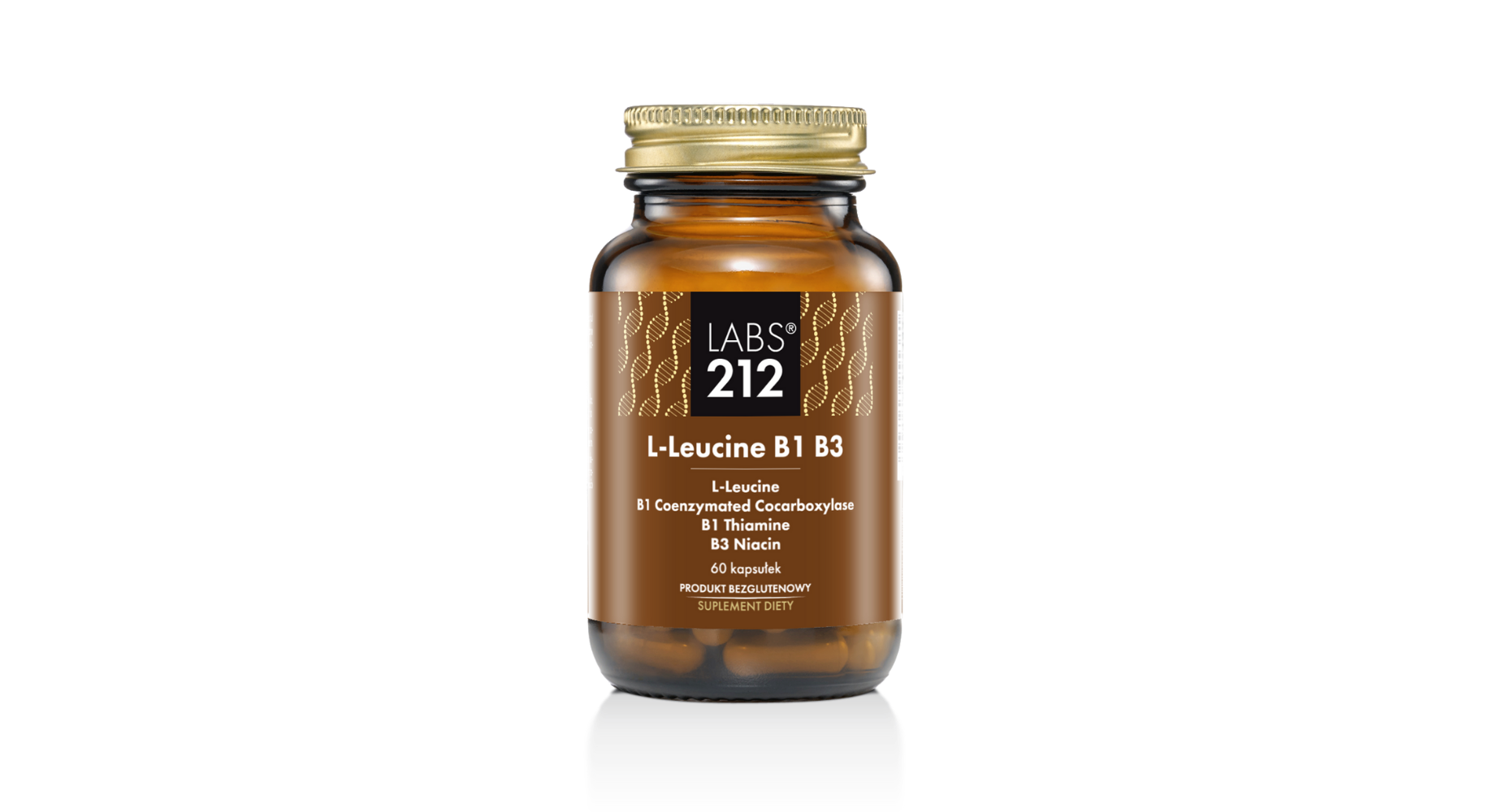





L-Leucine
Leucine is one of the nine essential amino acids, meaning the human body cannot synthesize it and it must be obtained from the diet. It is also one of the three branched-chain amino acids (BCAAs), alongside isoleucine and valine.
L-leucine plays a key role in muscle protein synthesis through activation of the mTOR pathway (mechanistic target of rapamycin), which stimulates muscle growth by increasing protein synthesis. Among BCAAs, it is considered the most potent in terms of its anabolic effect on muscle tissue.
It is also involved in energy metabolism. L-leucine can be converted into ketone bodies and participate in gluconeogenesis, serving as an energy source during carbohydrate restriction. It is one of the few amino acids with ketogenic properties.
Additionally, L-leucine supports muscle recovery after physical exercise, contributing to regeneration and adaptation.
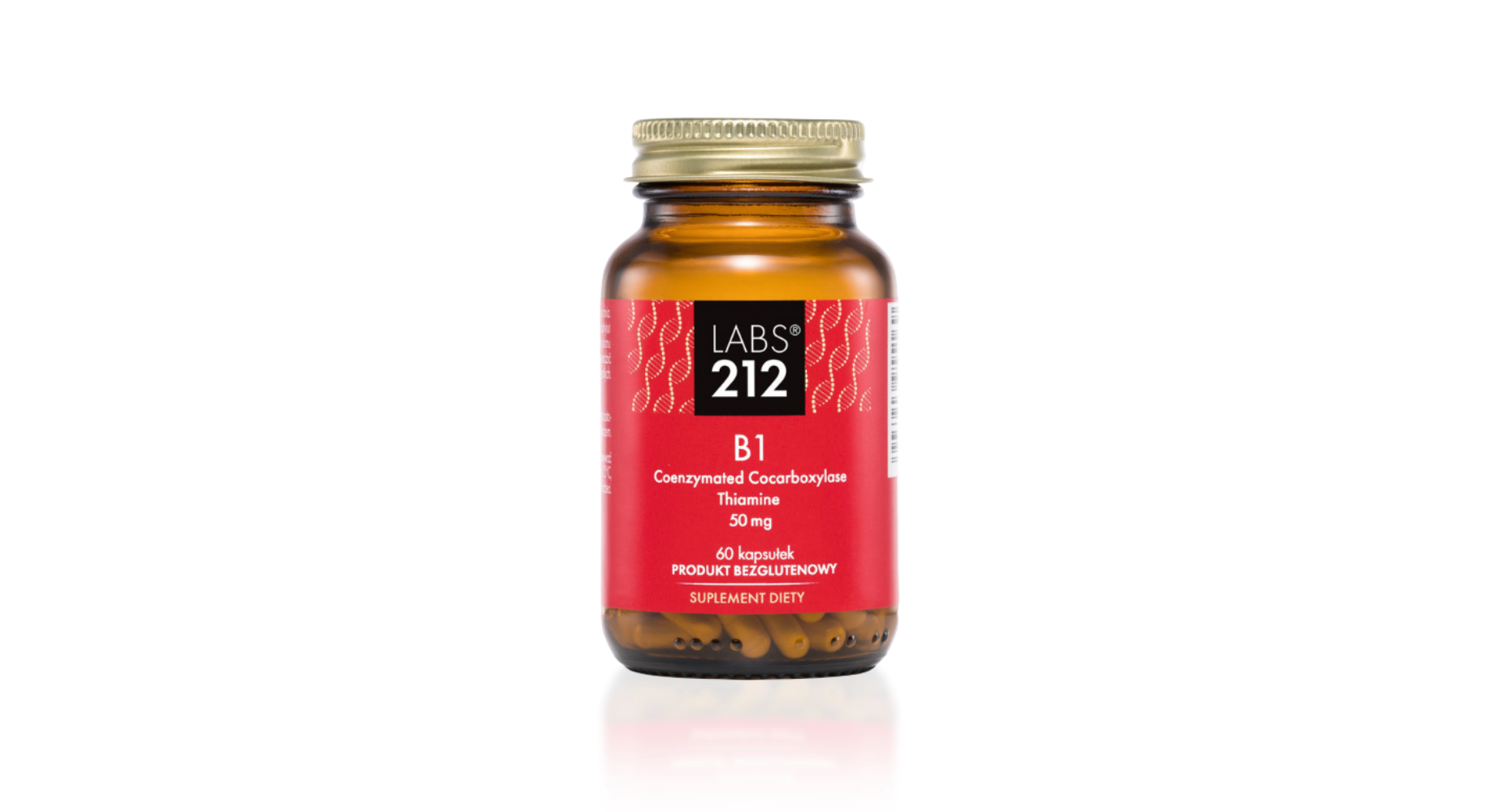
Vitamin B1 as Thiamine Pyrophosphate Chloride (TPP)
Thiamine pyrophosphate chloride (TPP), also known as cocarboxylase, is the active coenzyme form of vitamin B1.
TPP plays an essential role in carbohydrate metabolism, particularly in oxidative decarboxylation processes necessary for cellular energy production. It is critical for the proper functioning of the nervous and cardiovascular systems.
As a cofactor for multiple enzymes, TPP enables key biochemical reactions and directly supports ATP production, the primary energy source for cells. It also contributes to detoxification processes and the biosynthesis of neurotransmitters, supporting cognitive function and memory.
Deficiency may lead to serious metabolic disturbances, including lactic acidosis and Wernicke’s encephalopathy.
Vitamin B1 as Thiamine Hydrochloride (Thiamine HCl)
Thiamine hydrochloride (Thiamine HCl) is a commonly used supplemental form of vitamin B1.
It supports carbohydrate metabolism and the conversion of glucose into energy, which is essential for proper cellular function. Vitamin B1 is necessary for the normal functioning of the nervous and cardiovascular systems.
Thiamine HCl acts as a precursor to thiamine pyrophosphate (TPP), allowing the body to convert it into its active coenzyme form. It contributes to ATP synthesis, supports detoxification pathways, and is involved in neurotransmitter production, influencing cognitive performance and memory.
Deficiency may result in conditions such as beriberi and Wernicke–Korsakoff syndrome.
Vitamin B3 – Nicotinic Acid (Niacin)
Nicotinic acid, also known as niacin, vitamin B3, or vitamin PP, is an essential nutrient involved in numerous metabolic processes.
Niacin is a biologically active form and a precursor of the coenzymes NAD and NADP, which are crucial for many metabolic reactions, including cellular energy production.
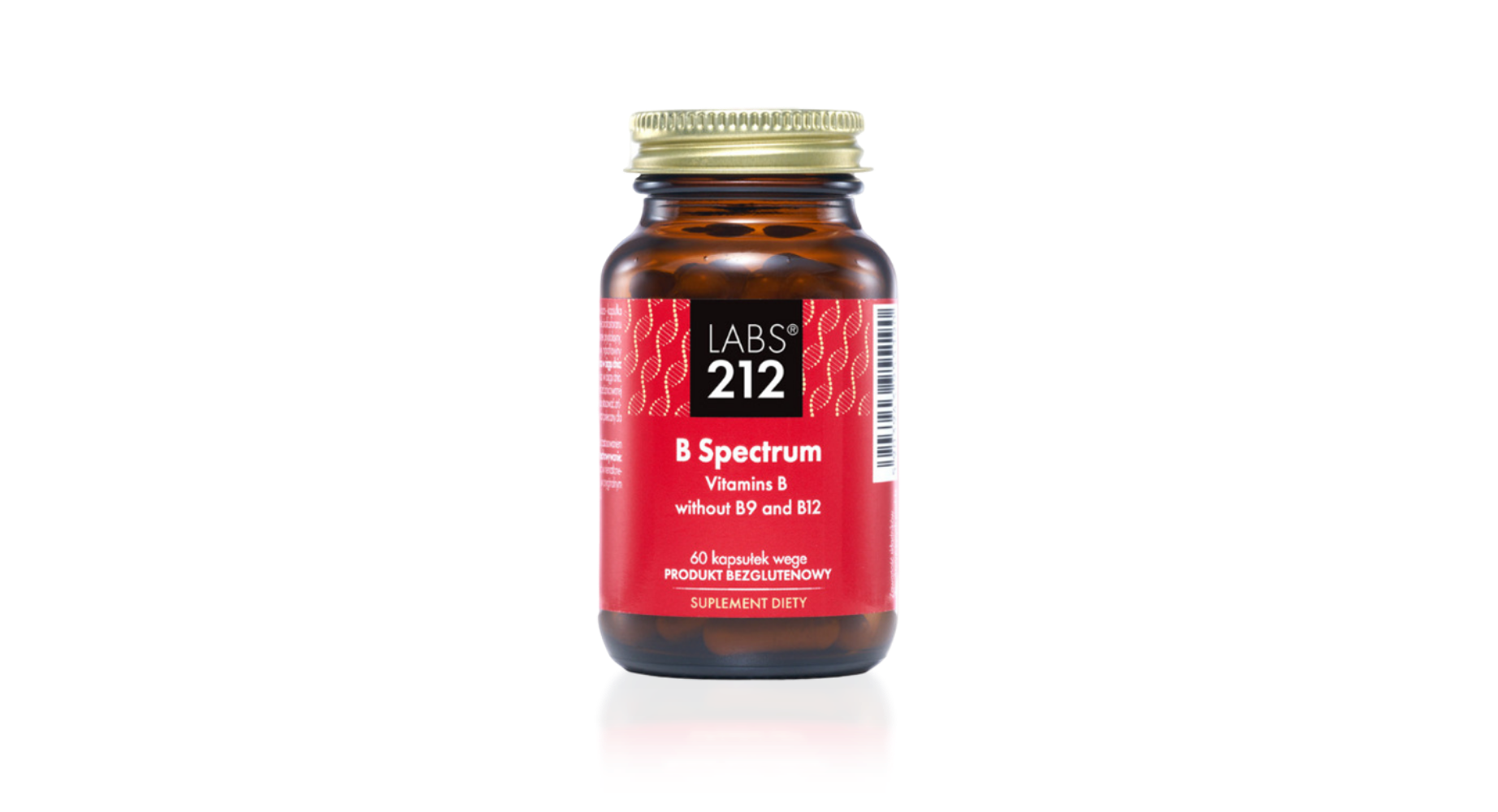
Nicotinic acid is commonly used to support healthy cholesterol levels and improve the blood lipid profile. At higher doses, it may cause the characteristic “niacin flush”, a temporary redness and warmth of the skin resulting from vasodilation. The amount included in B Spectrum has been selected to minimize this effect.
Vitamin PP also participates in the synthesis of important neurotransmitters, including serotonin, dopamine, and norepinephrine, which influence mood, memory, and cognitive function.
A deficiency of vitamin B3 may lead to pellagra, characterized by dermatitis, diarrhea, and dementia. The term vitamin PP originates from “Pellagra-Preventive.”