


Safe shopping guarantee. You will receive your product or your money back. See details
Dietary supplement
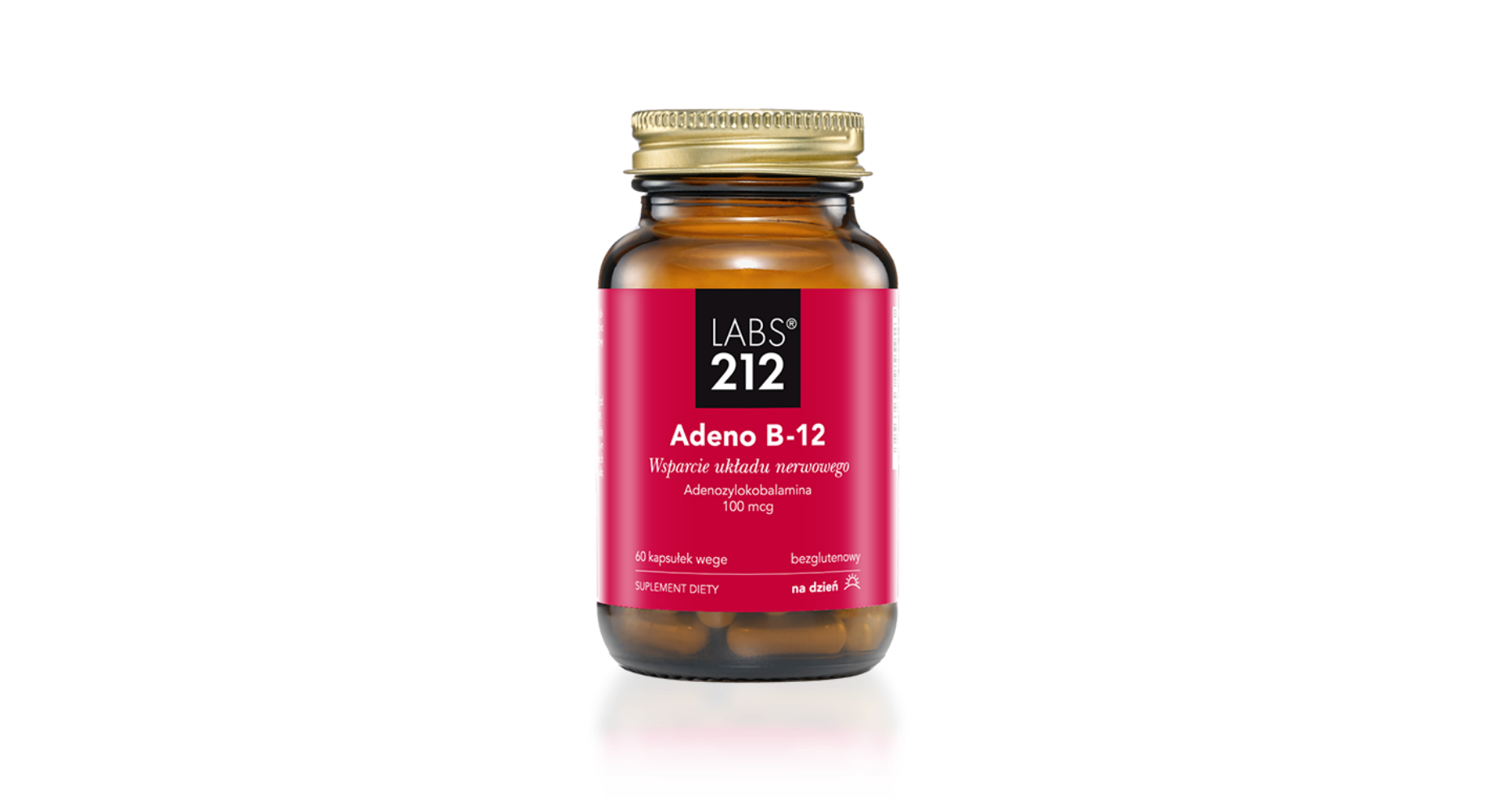
Adeno B-12
Natural, active form of vitamin B12
Support for the nervous system and mitochondrial function
Recommended in cases of vitamin B12 deficiency associated with vegan and vegetarian diets
Tested microbiologically, for heavy metals and ethylene oxide
Quantity: 60 capsules / daily servings
Notified to GIS (Poland): BZ/SD/POW/PL1000D/001291/2026, BLOZ: 5360422
Best before: 01.2028
 Encapsulated and manufactured in Poland
79,99 zł
893 in stock
Price per piece: 1,33 zł

 Free delivery within Poland from 250 zł
Previous lowest price was 79,99 zł.
Dietary supplement Vitamin B12 Methylcobalamin is the biochemically active form of B12, is very important in the methylation process.
New

Dietary supplement
Adeno B-12
Natural, active form of vitamin B12
Support for the nervous system and mitochondrial function
Recommended in cases of vitamin B12 deficiency associated with vegan and vegetarian diets
Tested microbiologically, for heavy metals and ethylene oxide
Quantity: 60 capsules / daily servings
Notified to GIS (Poland): BZ/SD/POW/PL1000D/001291/2026, BLOZ: 5360422
Best before: 01.2028
- Encapsulated and manufactured in Poland
79,99 zł
893 in stock
Previous lowest price was 79,99 zł.
Price per piece: 1,33 zł
Free delivery within Poland from 250 zł
Safe shopping guarantee. You will receive your product or your money back. See details
Adeno B-12 is a dietary supplement in capsule form containing vitamin B12 in the form of adenosylcobalamin.
Vitamin B12 is a water-soluble substance, chemically referred to as cobalamin, as its structure contains the metal cobalt. Cobalamin is found mainly in animal-derived foods, such as meat, eggs, and fish, with the highest amounts present in liver and kidneys. Vitamin B12 is essential for the proper functioning of the human body, particularly for the nervous system.
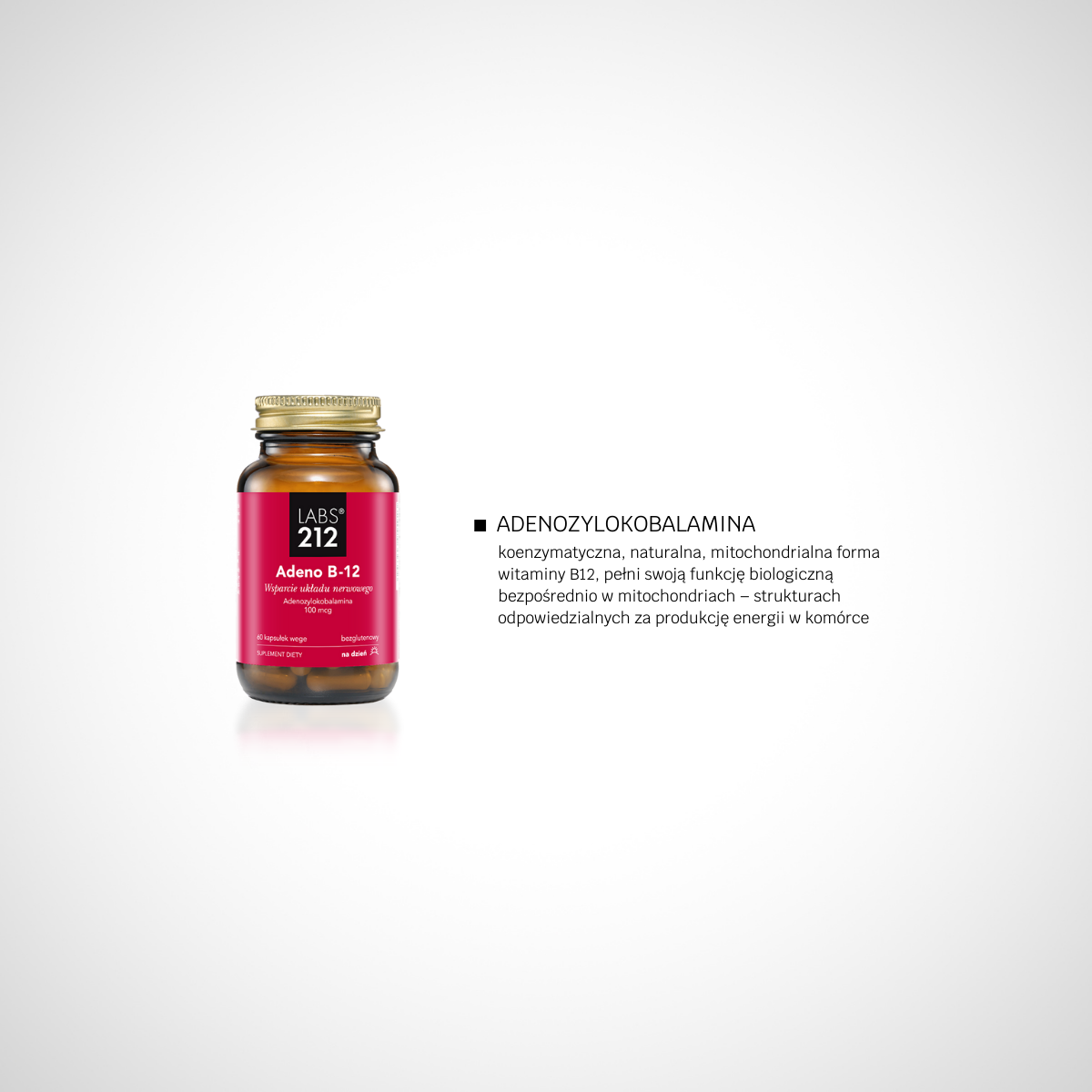
Adenosylcobalamin (5′-deoxyadenosylcobalamin) is a natural, active, mitochondrial form of vitamin B12, directly involved in cellular energy production. It acts as a coenzyme in the conversion of methylmalonyl-CoA to succinyl-CoA, supporting the metabolism of amino acids and fatty acids. As a result, it supports proper mitochondrial function as well as the functioning of the nervous system and muscles.
Vitamin B12:
- helps maintain normal nervous system function,
- helps maintain normal homocysteine metabolism,
- helps maintain normal psychological functions,
- helps in the normal production of red blood cells,
- helps maintain normal immune system function,
- contributes to the reduction of feelings of tiredness and fatigue,
- plays a role in cell division.
| Ingredient | Amount per daily serving 1 capsule |
|
| Vitamin B12 5′-deoxyadenosylcobalamin |
100 µg | 4000% DV* |
| Acacia fiber | 45 mg | – |
| L-leucine | 5 mg | – |
*DV – Daily Value
Ingredients: 5′-Deoxyadenosylcobalamin, Acacia Fiber, Hydroxypropyl Methylcellulose – Vegetable Capsule Shell, L-Leucine.
Gluten-free.
Servings per container: 60 capsules.
Take 1 capsule daily. Should be taken after a meal, no later than 4:00 p.m.
Do not exceed suggested use. Dietary supplements should not replace a varied diet. The product is recommended for adults. The product is suitable for vegans.
Warning: if pregnant or nursing, consult your doctor before use.
Keep away from the sun at a temperature below 25°C in the original packaging, out of reach of small children.
Production lot number / Best before – see the unit label (left side of the label).
Batch tests performed towards:
- Microbiology: the presence of listeria, staphylococcus, Escherichia coli and coli groups, salmonella, total microbial count,
- heavy metals (arsenic, cadmium, lead, mercury),
- ethylene oxide and 2-chloroethanol,
- gluten content.
The tests were carried out at the independent, accredited Laboratorium GBA Polska – Certificates of Accreditation no: AB 1095.


B12, the 'trendy' vitamin
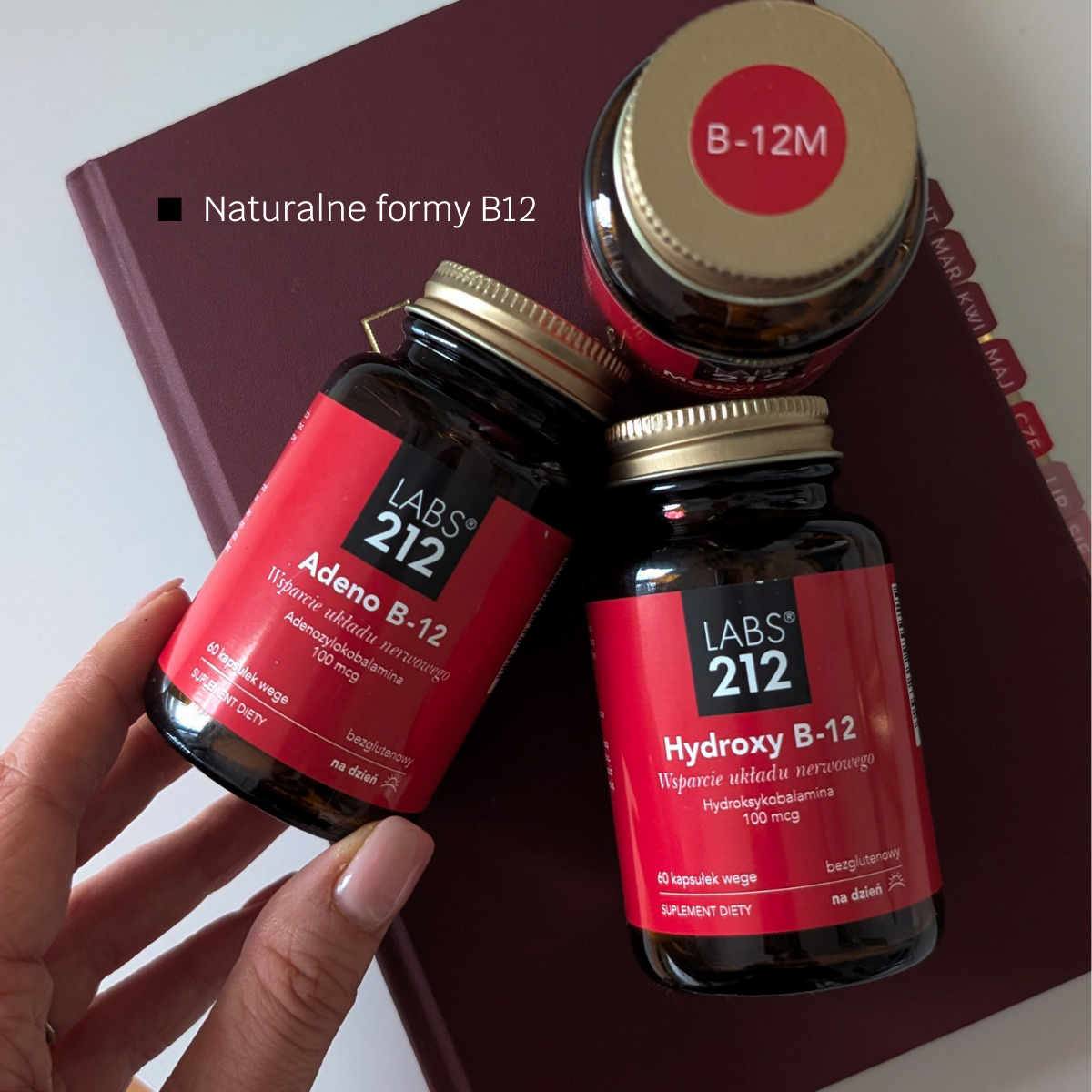
Vitamin B12 is the only vitamin, which, in its structure, contains the mineral, cobalt, to which it owes its name, Cobalamin. Given its cobalt colour, Vitamin B12 is often referred to as the ‘red vitamin’.
The main forms of Cobalamin are:
- Hydroxocobalamin,
- Cyanocobalamin,
- Methylcobalamin (active coenzymated form)
- Adenosylcobalamin (active coenzymated form).
Adenosylcobalamin is a coenzymatic, natural, mitochondrial form of vitamin B12, as it performs its biological function directly within the mitochondria—the structures responsible for energy production in the cell. It acts as a coenzyme of methylmalonyl-CoA mutase, an enzyme that is essential for incorporating the products of amino acid and fatty acid metabolism into the cell’s energy cycle.
In contrast to methylcobalamin, which is primarily involved in methylation reactions in the cytoplasm, adenosylcobalamin is responsible for the energy-related aspect of cellular metabolism. Its adequate availability is crucial for efficient mitochondrial function, stable ATP production, and the maintenance of high cellular energy efficiency, particularly in tissues with high energy demand, such as the nervous system and muscles.
The demand for adenosylcobalamin increases under conditions of elevated metabolic load, when the body must intensify cellular energy production. This applies in particular to individuals experiencing chronic fatigue, reduced exercise tolerance, or nervous system dysfunction, as well as to those exposed to long-term stress, which significantly increases the energy requirements of cells. Higher needs may also occur in physically active individuals, during periods of intensive training, recovery, as well as in people with malabsorption disorders or inefficient conversion of vitamin B12 into its active forms.
A deficiency of adenosylcobalamin may lead to reduced ATP production, accumulation of abnormal metabolites, and the appearance of neurological symptoms, even when levels of other forms of vitamin B12 are within the normal range. For this reason, supplementation with the adenosyl form may represent an important element of targeted metabolic support, particularly in individuals with high energy demands or increased nervous system burden.
Important sources of Vitamin B12 in the diet are animal foods including meat, dairy products, eggs, as well as fish and shellfish. Therefore, it is common for vegans and vegetarians to ensure the intake of Vitamin B12 from alternative sources. For proper absorption of Vitamin B12, the Castle factor working properly plays a crucial role. In healthy subjects, Vitamin B12 bioavailability from fish, sheepmeat and poultry meat was 42%, 56%-89%, and 61%-66%, respectively. Compared to meat, absorption from eggs is estimated to be less than 9%. Similarly, bioavailability from algae is negligible.

Discover other LABS212® products
-
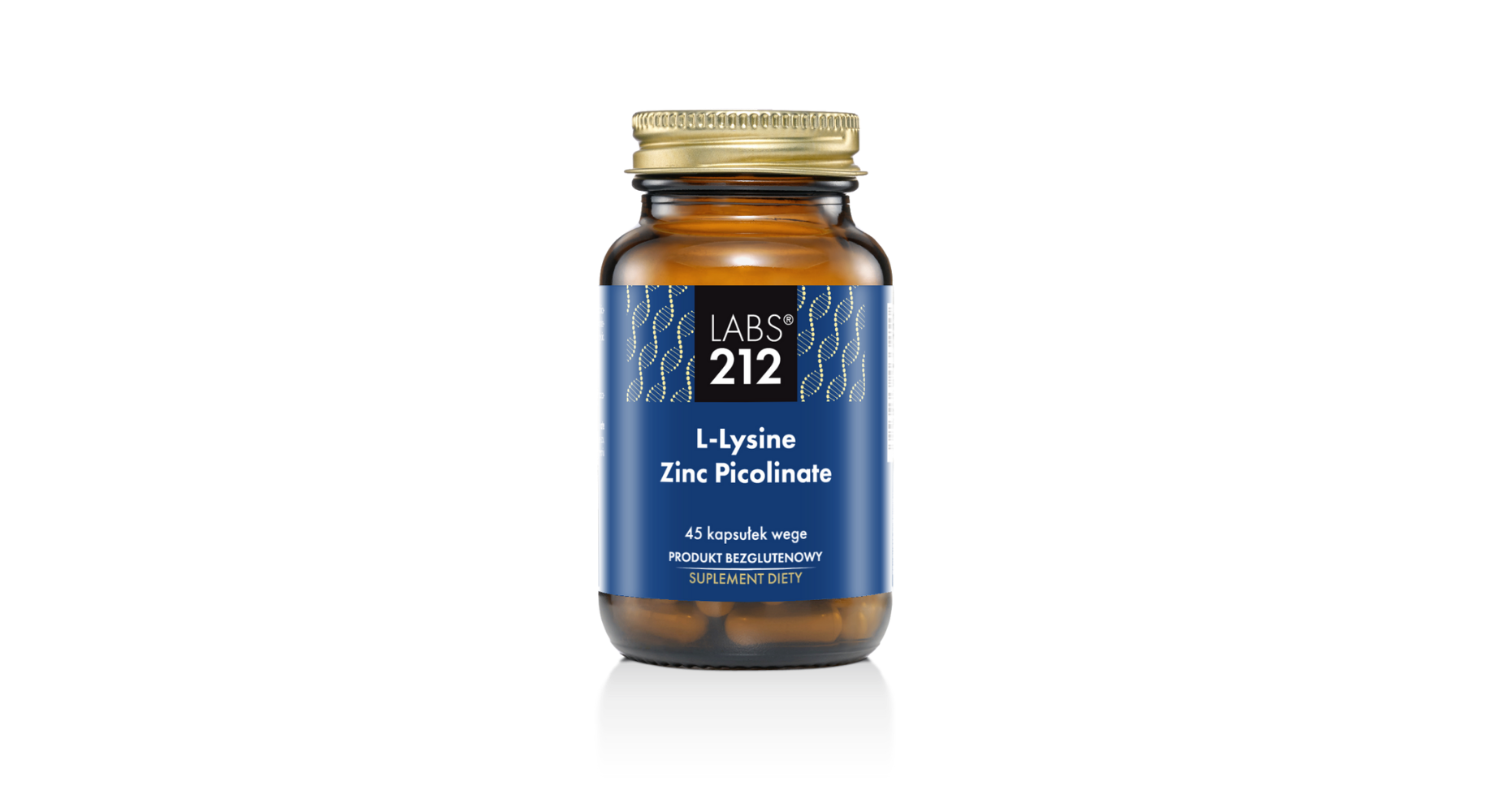
Dietary supplement
L-Lysine Zinc Picolinate
Supports normal immune system function. Zinc in the highly absorbable form of Zinc Picolinate.More -
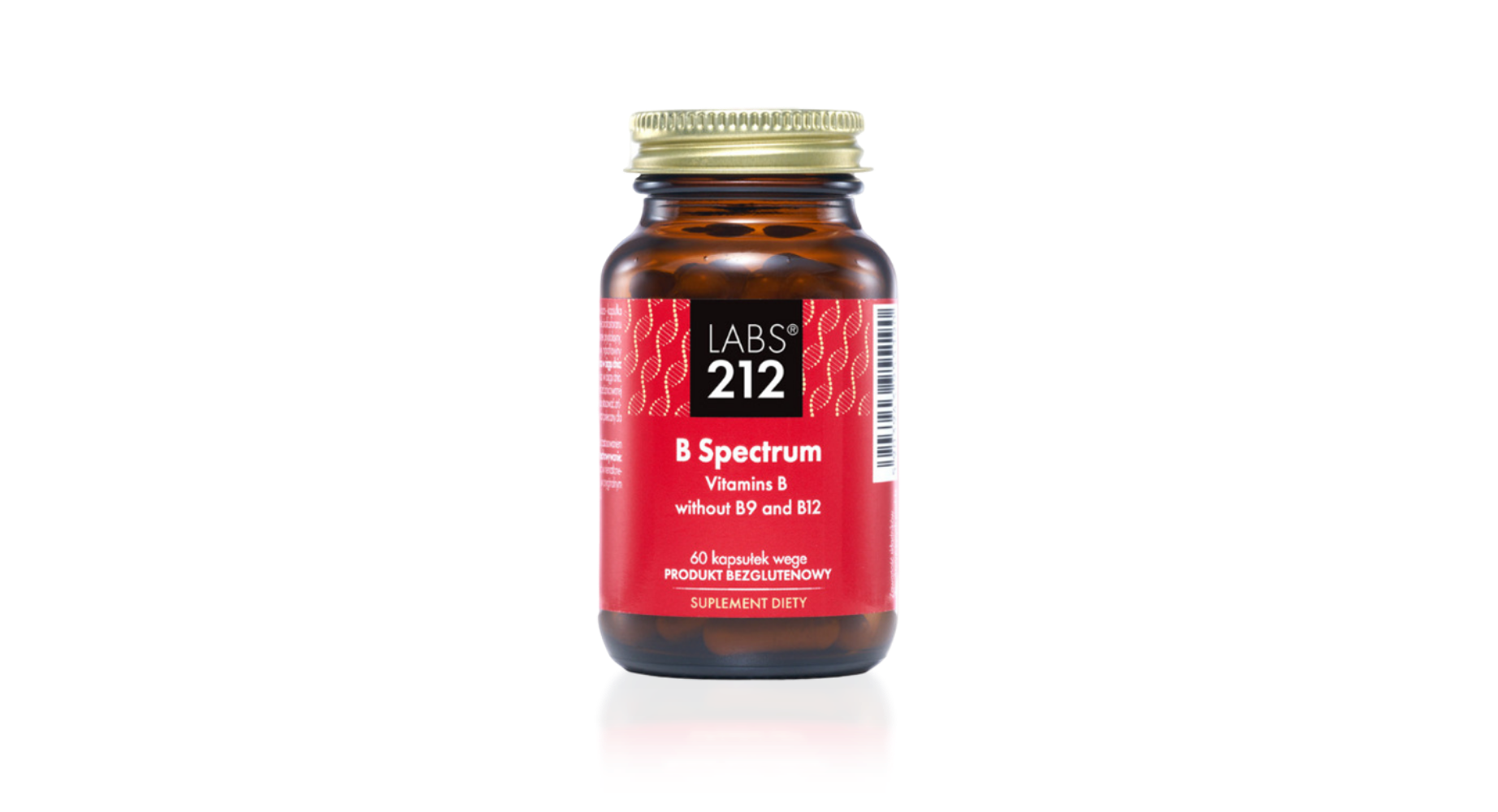
Dietary supplement
B Spectrum
An innovative blend of the most active forms of Vitamins B. Support of the nervous system.More -
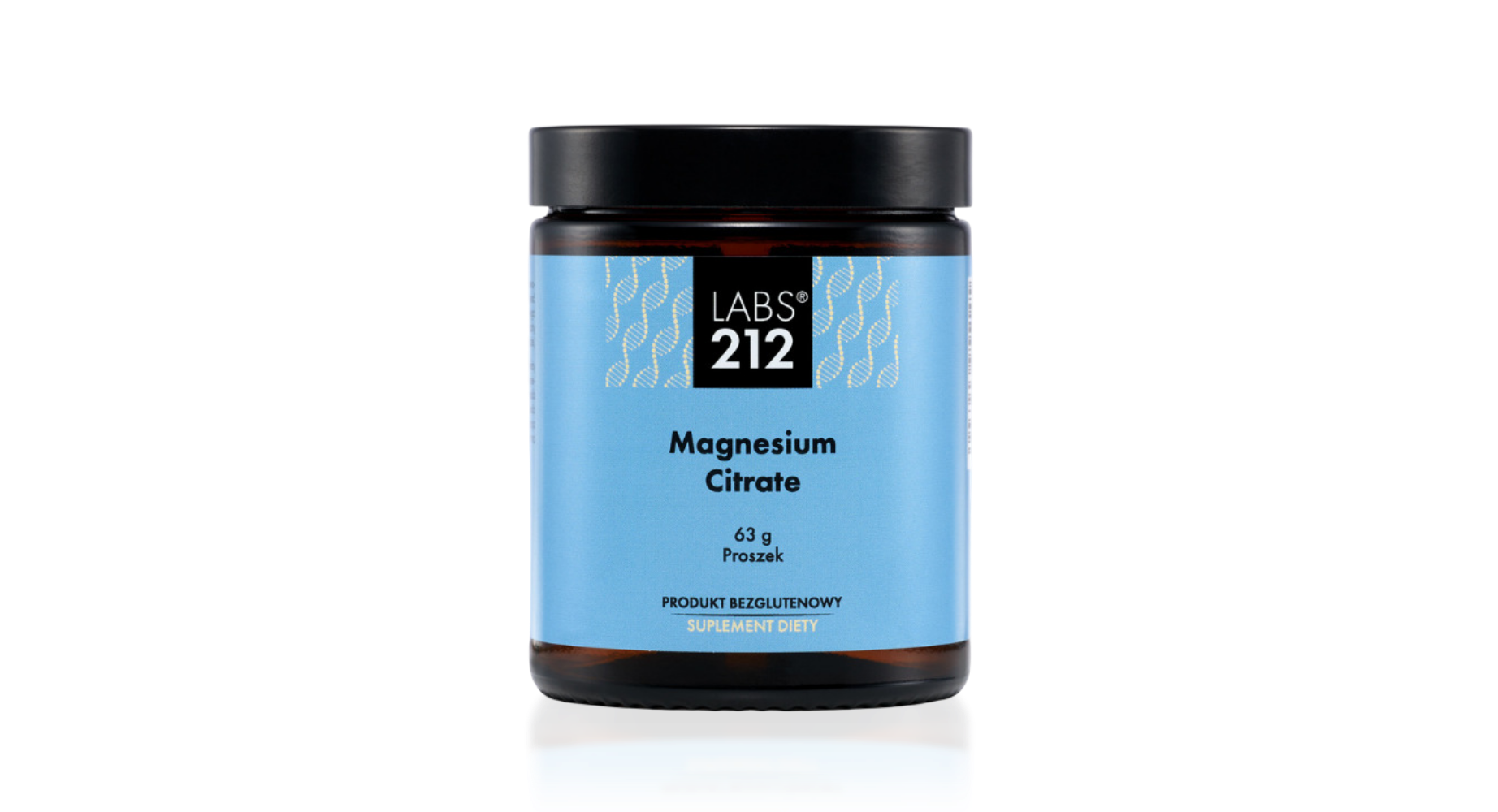
Dietary supplement
Magnesium citrate
Support for the nervous system and electrolyte balance. Magnesium salts of citric acid in the form of powder.More -
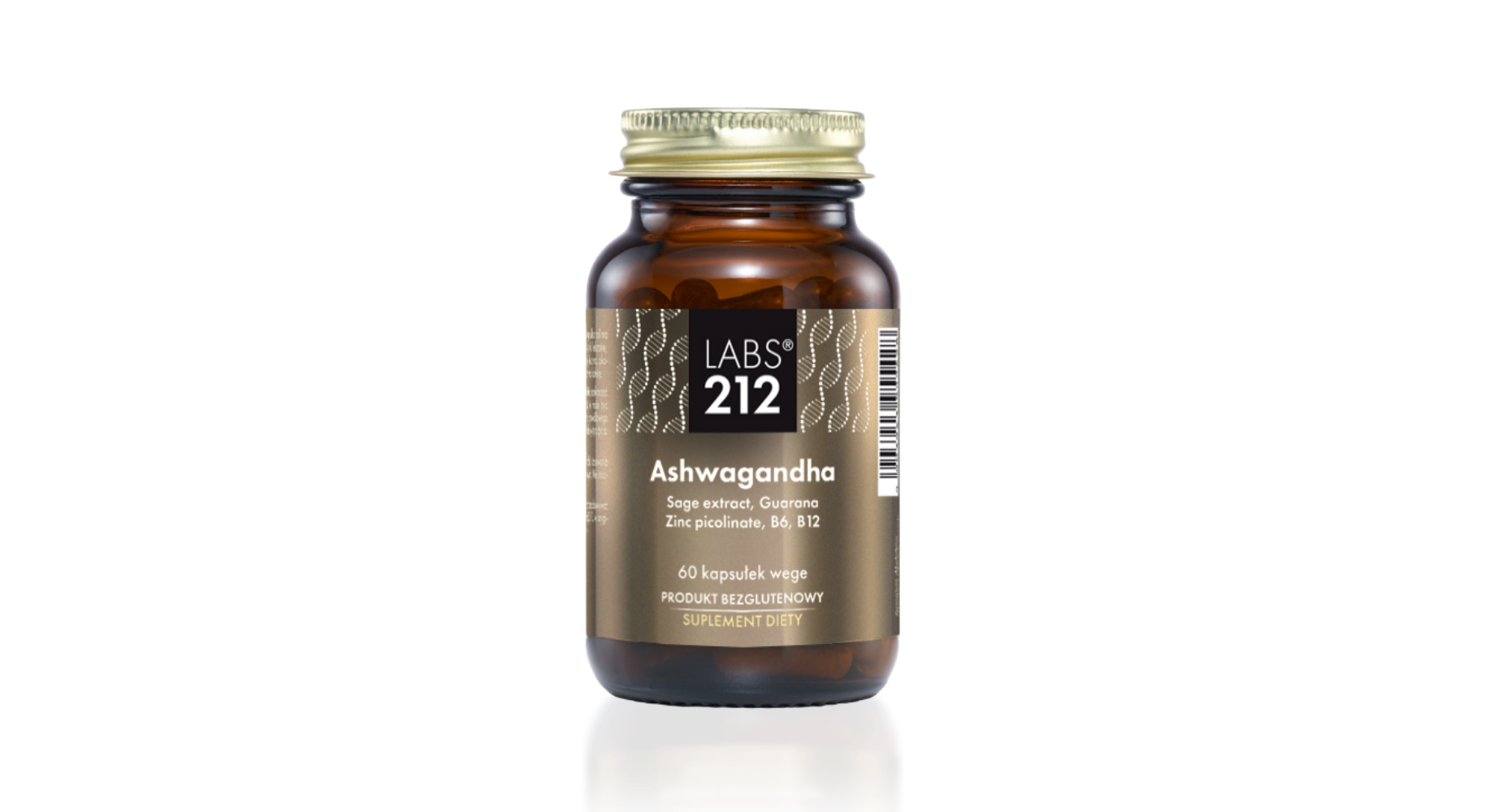
Dietary supplement
Ashwagandha
Helps reduce stress, lower cortisol levels, and anxiety. Ashwagandha, Sage, Guarana, Zinc, B6 and B12More