


Safe shopping guarantee. You will receive your product or your money back. See details
Dietary supplement
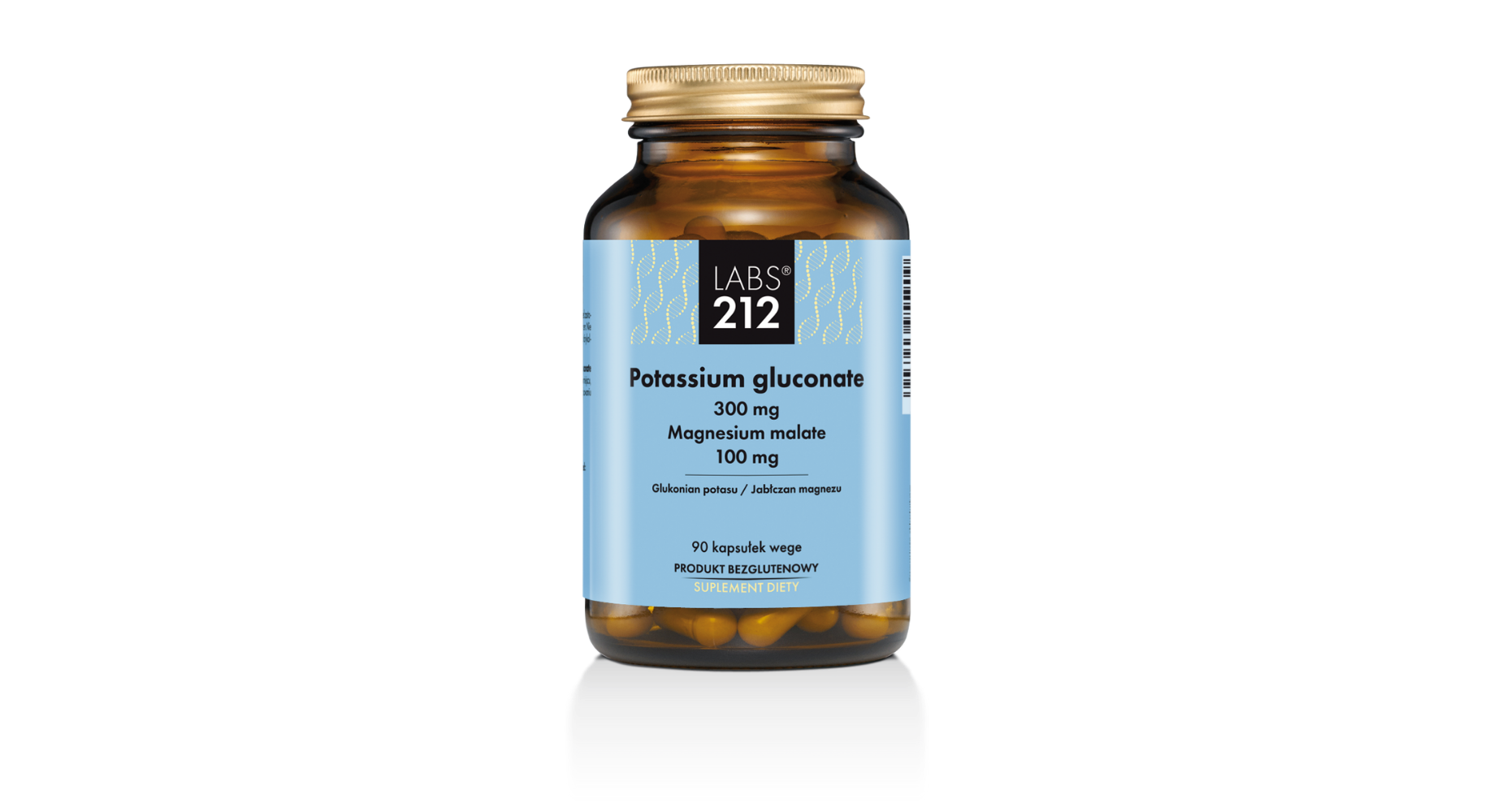
Potassium gluconate/magnesium malate
Organic form of potassium: potassium gluconate
Organic form of magnesium: magnesium malate
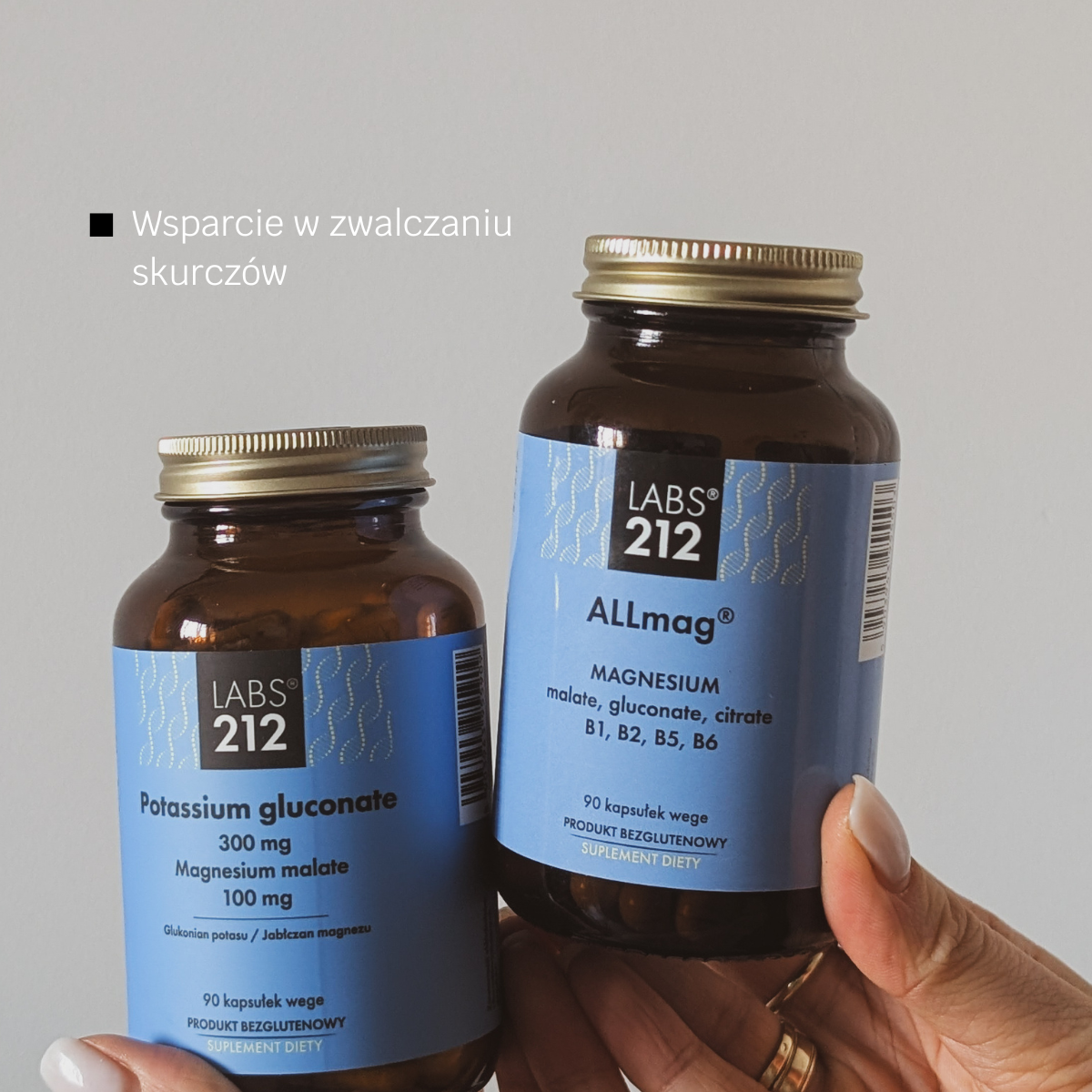
Support for reducing cramps
Support in reducing feelings of fatigue and tiredness
Comprehensive support for the nervous system
Tested microbiologically, for heavy metals and ethylene oxide
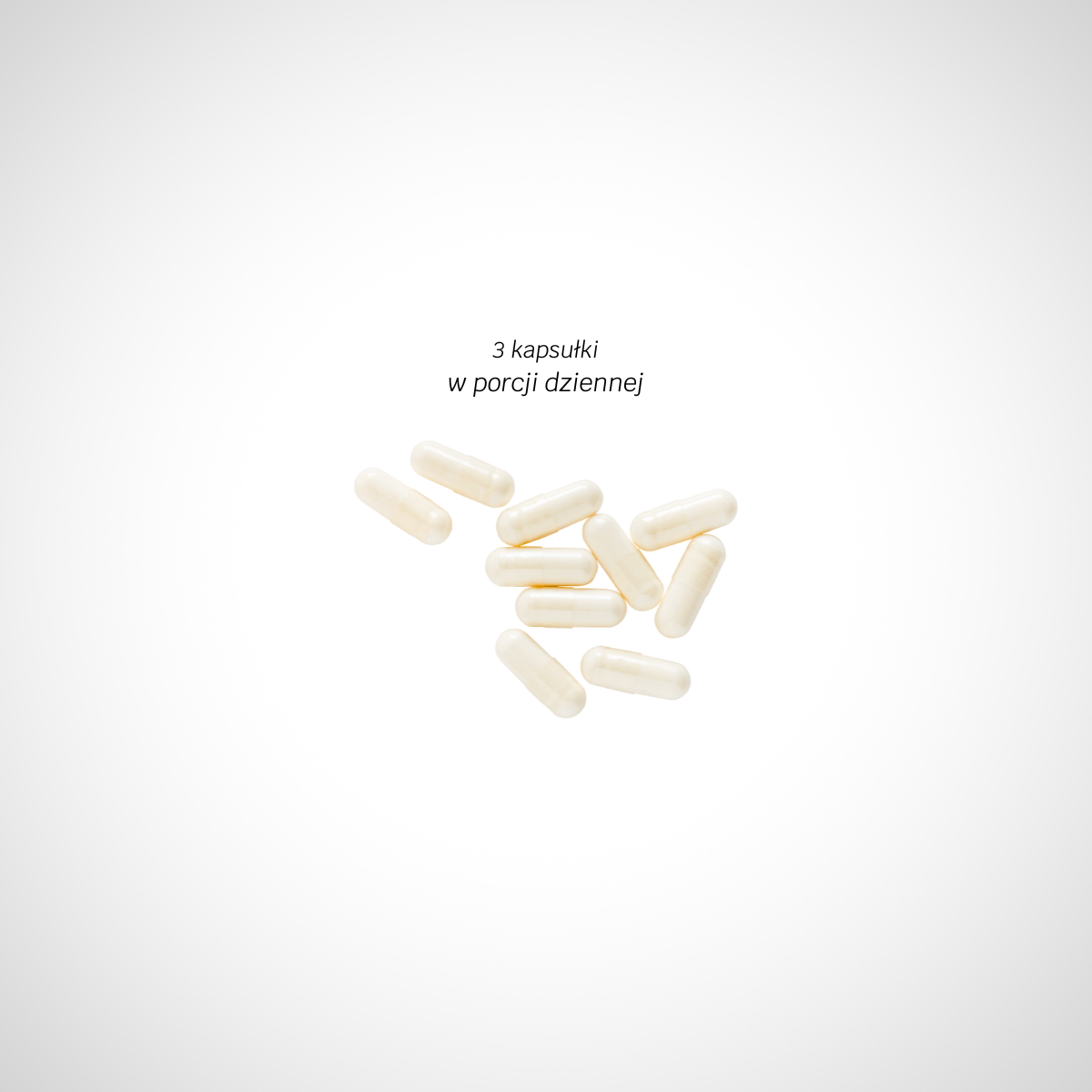
Quantity: 90 capsules / 30 daily servings
Best before: 12.2027
Notified to GIS (Poland): BZ/SD/POW/PL1000D/015076/2025, BLOZ: 7293606
 Encapsulated and manufactured in Poland
79,99 zł
789 in stock
Price per piece: 0,89 zł

 Free delivery within Poland from 250 zł
Previous lowest price was 79,99 zł.
Comprehensive support for the nervous system.

Dietary supplement
Potassium gluconate/magnesium malate
Organic form of potassium: potassium gluconate
Organic form of magnesium: magnesium malate
Support for reducing cramps
Support in reducing feelings of fatigue and tiredness
Comprehensive support for the nervous system
Tested microbiologically, for heavy metals and ethylene oxide
Quantity: 90 capsules / 30 daily servings
Best before: 12.2027
Notified to GIS (Poland): BZ/SD/POW/PL1000D/015076/2025, BLOZ: 7293606
- Encapsulated and manufactured in Poland
79,99 zł
789 in stock
Previous lowest price was 79,99 zł.
Price per piece: 0,89 zł
Free delivery within Poland from 250 zł
Safe shopping guarantee. You will receive your product or your money back. See details
Potassium gluconate/magnesium malate dietary supplement is a formula that is ablend of organic dorm of potassium – potassium gluconate and organic form of magnesium – magnesium malate in a form of vegan capsule.
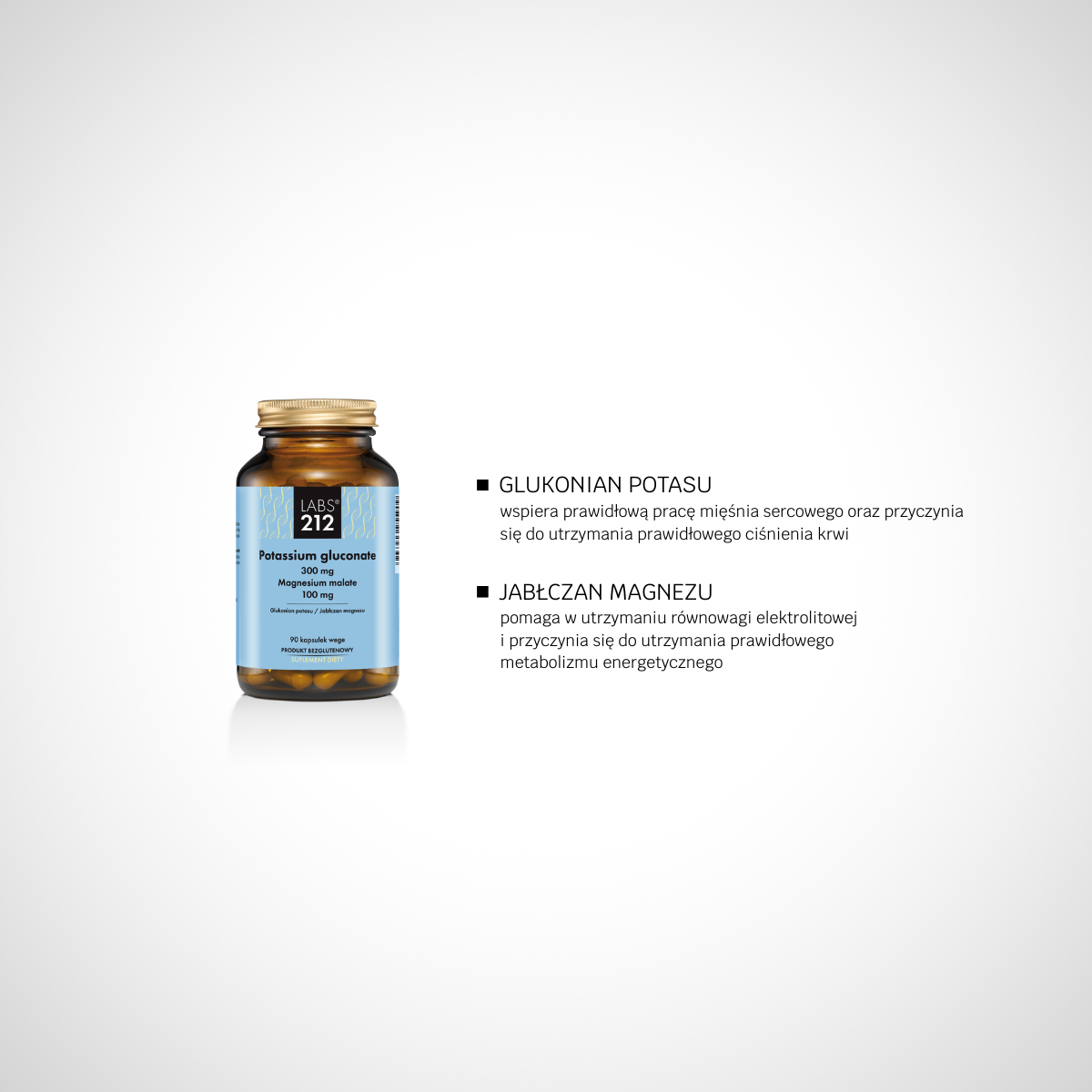
Potassium:
- supports proper function of the heart muscle,
- helps maintain proper functioning of the nervous system,
- helps maintain proper muscle function,
- contributes to the maintenance of normal blood pressure,
- helps maintain electrolyte balance,
- plays a key role in nerve impulse transmission,
- supports proper cellular hydration,
- contributes to the proper functioning of the neuromuscular system.
Magnesium:
- helps maintain normal nervous system function,
- contributes to the reduction of feelings of tiredness and fatigue,
- helps maintain electrolyte balance,
- helps maintain normal energy metabolism,
- helps in normal muscle function,
- supports normal protein synthesis,
- helps maintain normal psychological functions,
- helps maintain healthy bones,
- helps maintain healthy teeth,
- plays a role in cell division.
Magnesium is an essential and irreplaceable component of the cell’s biochemical functions, which activates more than 300 different enzymes. It is actively involved in important metabolic pathways such as glycolysis, the Krebs cycle, β-oxidation and ion transport across cell membranes. Given its physicochemical properties, Mg2 can bind to the cell nucleus, ribosomes, cell membranes and macromolecules of the cell cytosol.
| Ingredient | Amount per daily serving 3 capsules |
|
| Potassium (from Potassium Gluconate) | 300 mg | 15%DV* |
| Magnesium (from Magnesium Malate) |
100 mg | 26,67%DV* |
*DV – Daily Value.
Ingredients: Potassium gluconate (potassium), Magnesium malate (magnesium), Hydroxypropyl methylcellulose – plant-based capsule shell, Rice flour.
Gluten-free.
Amount per container: 90 vegan capsules.
Servings per container: 30 (3 capsules daily).
Take 3 capsules daily.
Recommended intake: take during or after a meal.
Do not exceed suggested use. Dietary supplements should not replace a varied diet. The product is recommended for adults.
Warning: if pregnant or nursing, consult your doctor before use.
Capsule size: 00 (22 mm in length).
Organoleptic properties: when taken out of the capsule, a white powder with an intensely bitter taste.
Keep away from the sun at a temperature below 25°C in the original packaging, out of reach of small children.
Production lot number / Best before – see the unit label (left side of the label).
Batch tests performed towards:
- Microbiology: the presence of listeria, staphylococcus, Escherichia coli and coli groups, salmonella, total microbial count,
- heavy metals (arsenic, cadmium, lead, mercury),
- ethylene oxide and 2-chloroethanol,
- gluten content.


Discover a unique combination of potassium and magnesium!
Potassium is one of the key electrolytes essential for the proper functioning of the body. It plays a fundamental role in maintaining water and electrolyte balance as well as normal osmotic pressure of cells. As the main intracellular cation, potassium is responsible for cellular environment stability and for creating appropriate conditions for metabolic processes to occur.
Potassium is crucial for proper muscle function, including the heart muscle. It is involved in nerve impulse transmission and in the mechanisms of muscle contraction and relaxation, which determine the efficiency of the neuromuscular system. Adequate potassium levels support the maintenance of a normal heart rhythm and help prevent disturbances in nerve conduction.
In addition, potassium contributes to the regulation of blood pressure by supporting the proper functioning of the cardiovascular system. It acts antagonistically to sodium, helping maintain proper electrolyte balance and supporting the removal of excess sodium from the body. Potassium also influences acid–base balance and supports the activity of enzymes responsible for energy metabolism.
Adequate potassium intake is particularly important during periods of increased demand, such as intense physical activity, stress, excessive sweating, or diets low in vegetables and fruit. Maintaining optimal potassium levels supports overall physical performance, helps reduce feelings of fatigue, and contributes to the proper functioning of cells.
Yes, magnesium plays a key role in the effective utilization and retention of potassium in the body. Magnesium deficiency can lead to increased potassium loss through the kidneys, making potassium supplementation ineffective even when potassium intake is adequate. Magnesium is involved in regulating the transport of potassium into cells and in limiting its excessive excretion in urine.
At the cellular level, magnesium influences the function of ion channels in the kidneys that are responsible for potassium reabsorption and secretion, thereby helping to maintain proper potassium levels in the body. When magnesium is deficient, these mechanisms become impaired, which may lead to so-called “potassium wasting” and the gradual development of potassium deficiency.
For this reason, in clinical practice it is often recommended to supplement magnesium before or alongside potassium to enable an effective increase in potassium levels. Magnesium and potassium act synergistically—adequate magnesium status is a prerequisite for proper potassium transport into cells and its full utilization. As a result, magnesium is not merely supportive, but an essential factor ensuring the bioavailability and physiological function of potassium in the body.
Potassium gluconate is a salt of potassium and gluconic acid (a glucose derivative) and contains on average about 16–17% potassium ions (K⁺).
Potassium gluconate is an organic form of potassium that is well tolerated by the stomach and milder than potassium chloride. It can be used by individuals with a sensitive digestive system.
In cases of significant potassium deficiency and when long-term supplementation is required, potassium gluconate is considered one of the most suitable forms for prolonged use due to its good tolerability and safety profile.
Potassium should not be combined with:
-
Certain medications (spironolactone, eplerenone, amiloride, triamterene) – this may lead to a dangerous increase in potassium levels and, consequently, cardiac arrhythmias.
-
Medications for hypertension and heart conditions (without medical supervision):
ACE inhibitors (e.g. ramipril, enalapril),
angiotensin II receptor blockers / sartans (e.g. losartan, telmisartan),
certain beta-blockers,
as they reduce potassium excretion by the kidneys. -
Kidney disorders, including renal failure, kidney stones (certain types), and reduced kidney filtration (decreased eGFR).
In case of potassium overdose, seek medical attention if the following symptoms occur:
-
heart palpitations,
-
muscle weakness,
-
tingling sensations,
-
nausea,
-
a sensation of the heart “skipping” or irregular heartbeat.
The term “hidden potassium” refers to potassium that is not typically associated with a potassium-rich diet but may be consumed unintentionally—often in significant amounts.
Where is potassium “hidden”?
-
Salt substitutes – these often contain potassium chloride (KCl) instead of sodium chloride (NaCl).
One teaspoon may provide as much as 2,000–2,500 mg of potassium, making overdose easy, especially in people with kidney disease or those taking blood pressure medications. -
Electrolyte products and “sports” drinks – consuming multiple servings per day can result in a high potassium intake.
-
Processed tomato products – such as tomato paste, passata, and dried tomatoes, where potassium is highly concentrated in a small volume.
-
Highly processed foods, containing potassium additives such as:
– E508 – potassium chloride
– E340 – potassium phosphates
– E202 – potassium sorbate
– E450–E452 – potassium diphosphates/polyphosphates
Commonly found in processed meats, processed cheeses, and ready-made meals. -
“Fit”, “low sodium”, or “salt-free” products – where sodium salt is replaced with potassium-based salts.
Awareness of hidden potassium sources is particularly important for individuals with impaired kidney function or those using medications that affect potassium balance.

Discover other LABS212® products
-

Dietary supplement
Magnesium citrate
Support for the nervous system and electrolyte balance. Magnesium salts of citric acid in the form of powder.More -
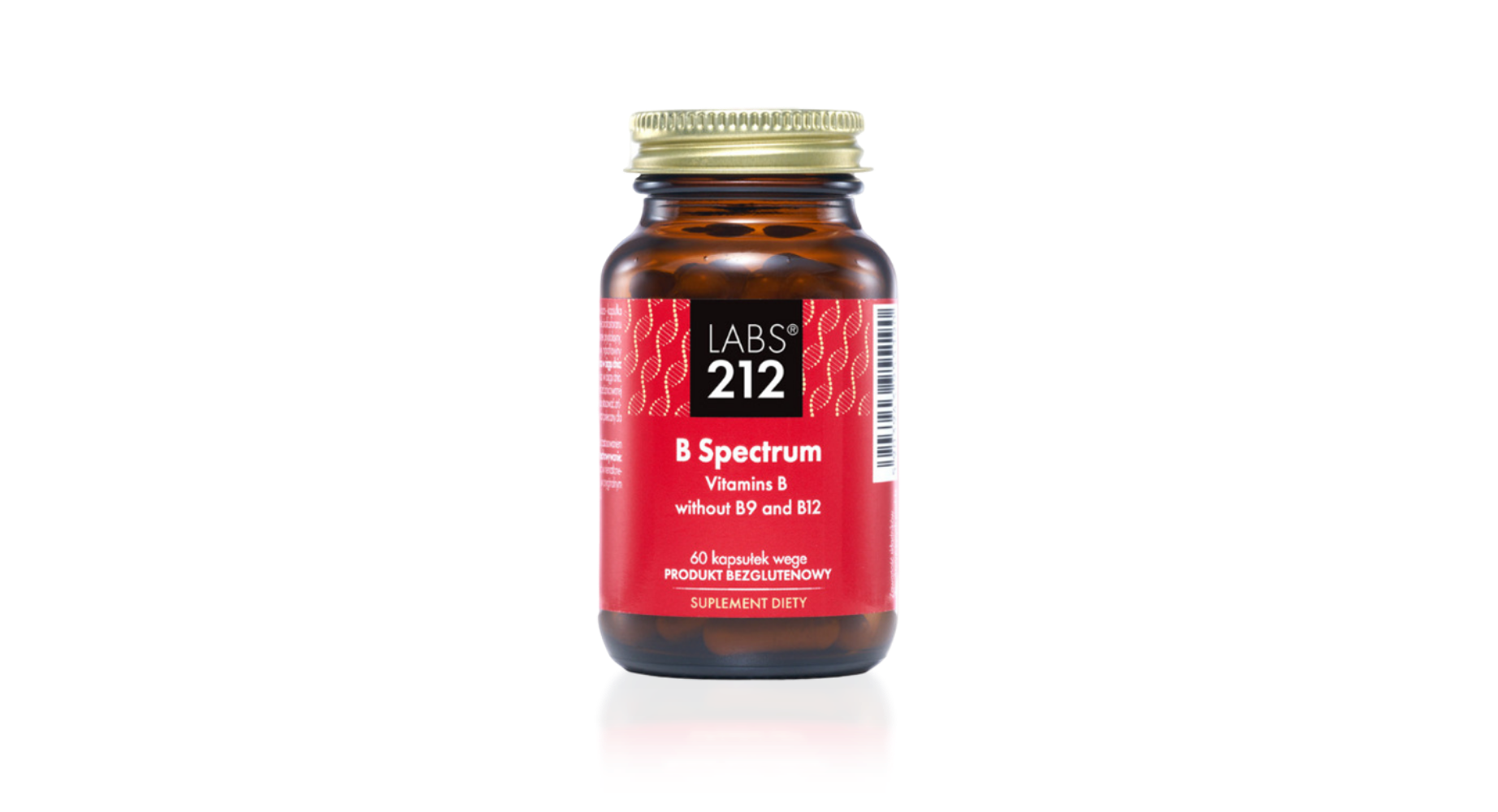
Dietary supplement
B Spectrum
An innovative blend of the most active forms of Vitamins B. Support of the nervous system.More -

Dietary supplement
Carnitine
Regenerates and supports the nervous system. Supports efficient fat metabolism.More -
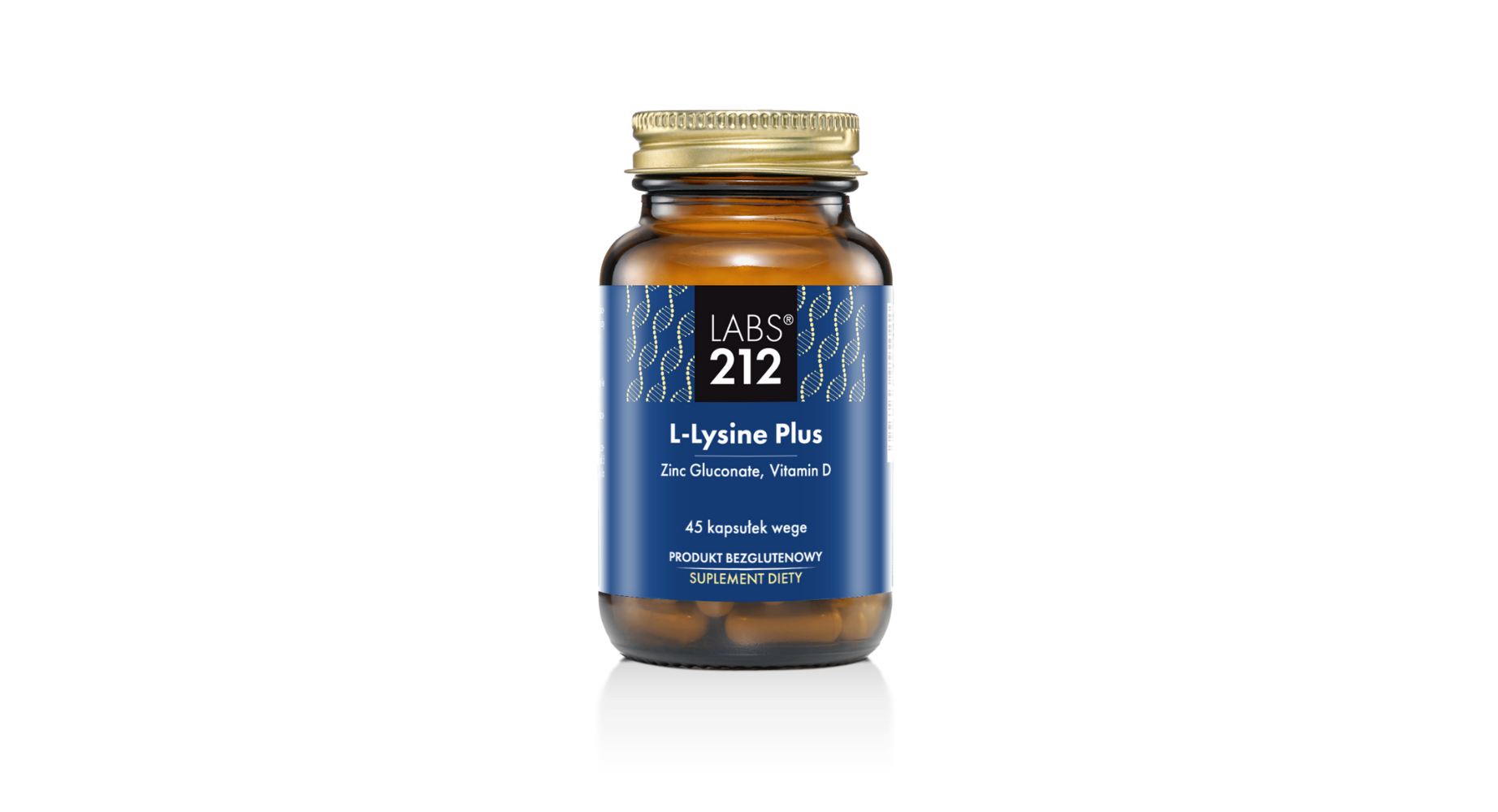
Dietary supplement
L-Lysine Plus
Comprehensive support for the immune system to work properly. L-Lysine, Zinc Picolinate, Vitamin D.More -
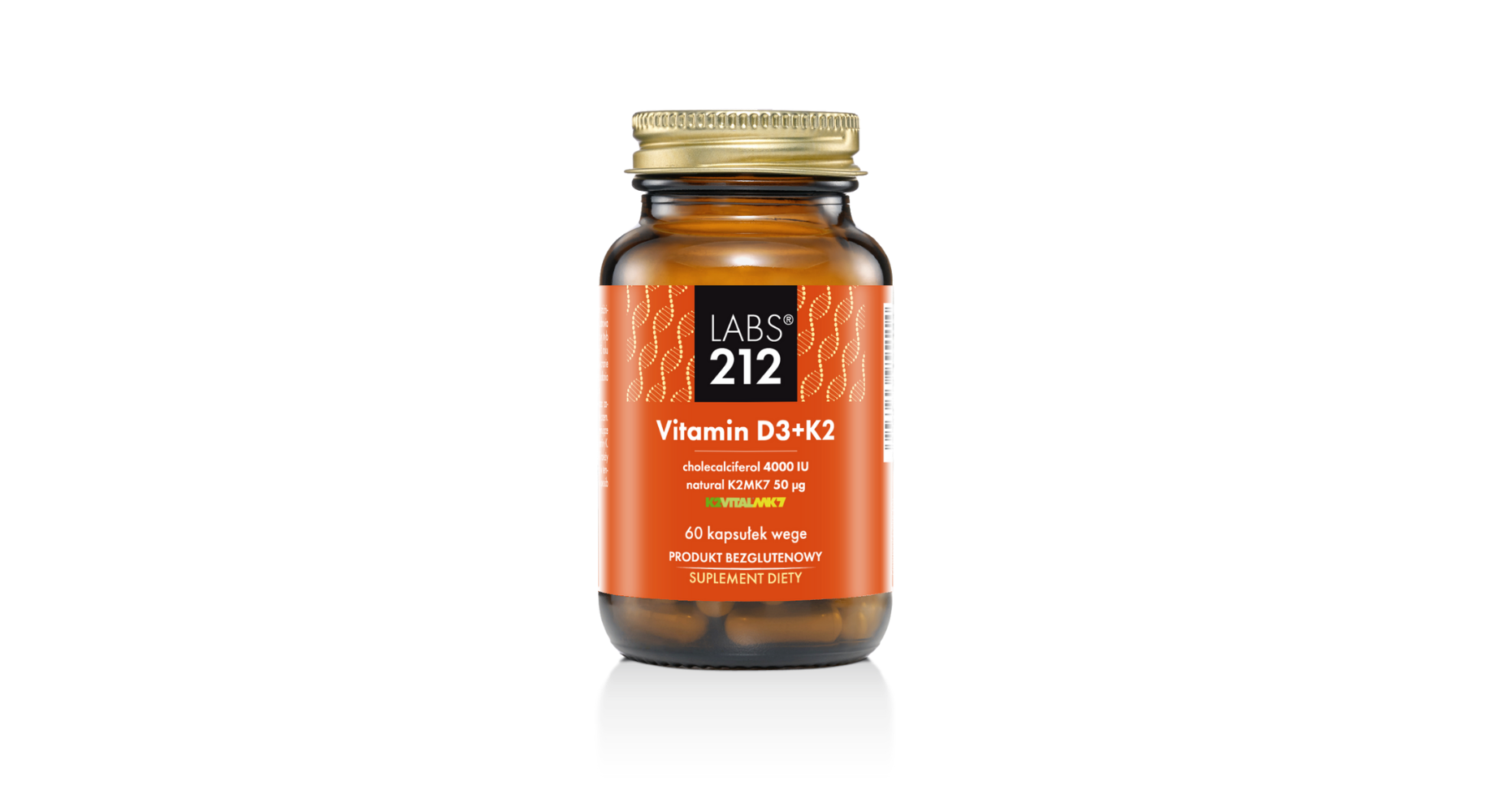
Dietary supplement
Vitamin D3 + K2MK7
Patented Quali®-D Vitamin D, high dosage of 4000 UI. Helps maintain normal immune system function.More