


Safe shopping guarantee. You will receive your product or your money back. See details
Dietary supplement
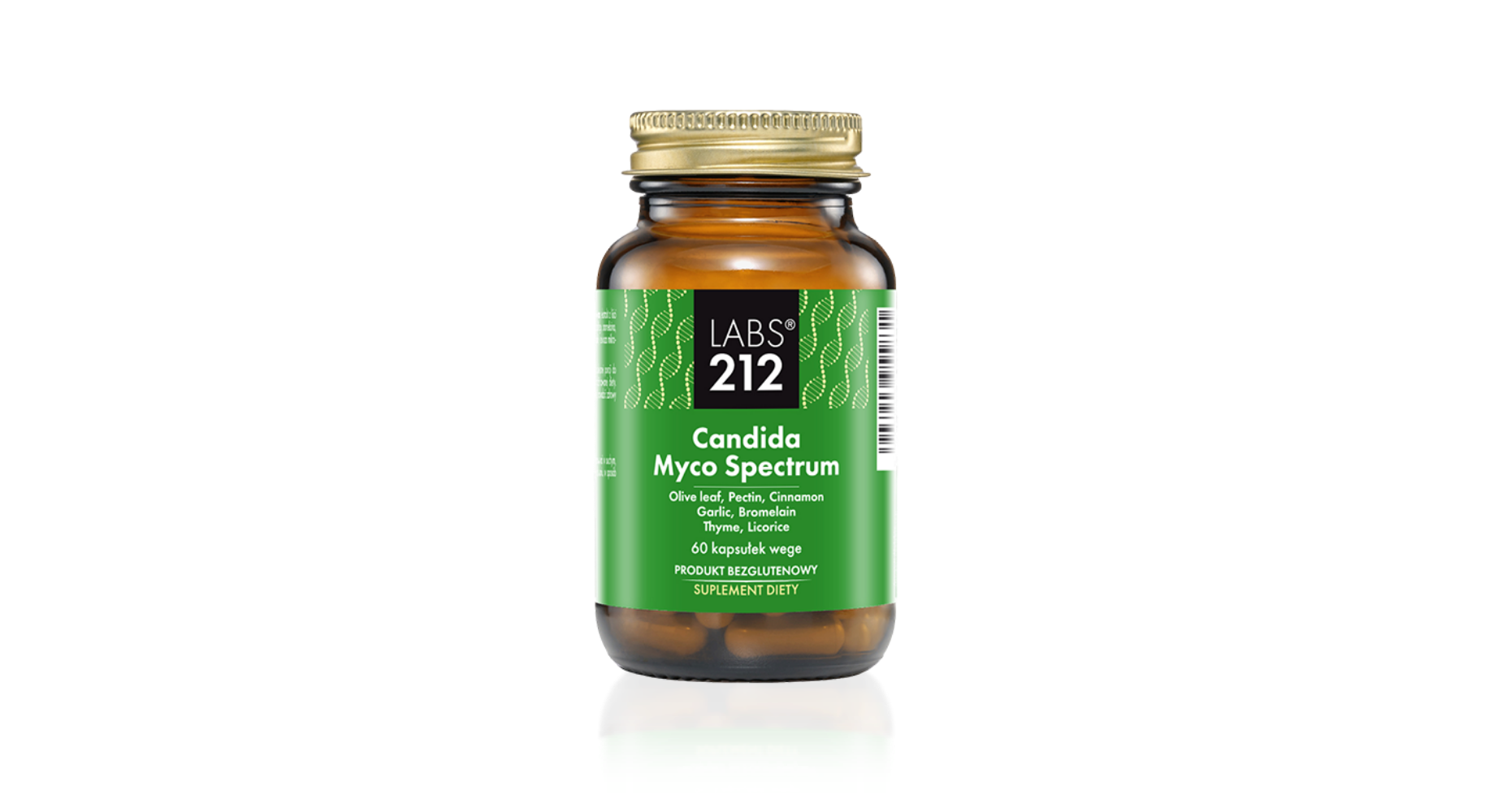
Candida-Myco Spectrum
Support for proper gut balance
7 active ingredients: pectin, olive leaf extract, cinnamon, garlic, thyme, licorice, bromelain
Support for proper intestinal function and cleansing
Tested microbiologically, for heavy metals, ethylene oxide, alkaloids, pesticides
Quantity: 60 capsules / 30 daily servings
Best before: 11.2027
Notified to GIS (Poland): BZ/SD/POW/PL1000D/003500/2025, BLOZ: 7829363
 Encapsulated and manufactured in Poland
99,99 zł
1372 in stock
Price per piece 1,08 zł

 Free delivery within Poland from 250 zł
Previous lowest price was 99,99 zł.
Support for proper gut balance. 7 active ingredients: pectin, olive leaf extract, cinnamon, garlic, thyme, licorice, bromelain.


Dietary supplement
Candida-Myco Spectrum
Support for proper gut balance
7 active ingredients: pectin, olive leaf extract, cinnamon, garlic, thyme, licorice, bromelain
Support for proper intestinal function and cleansing
Tested microbiologically, for heavy metals, ethylene oxide, alkaloids, pesticides
Quantity: 60 capsules / 30 daily servings
Best before: 11.2027
Notified to GIS (Poland): BZ/SD/POW/PL1000D/003500/2025, BLOZ: 7829363
- Encapsulated and manufactured in Poland
99,99 zł
1372 in stock
Previous lowest price was 99,99 zł.
Price per piece 1,08 zł
Free delivery within Poland from 250 zł
Safe shopping guarantee. You will receive your product or your money back. See details
Candida-Myco Spectrum dietary supplement is a product designed to support intestinal function, composed of natural extracts enclosed in a small capsule.
Candida-Myco Spectrum supplement:
- contributes to maintaining proper intestinal function,
- supports in cases of Candida albicans overgrowth,
- helps maintain healthy microbiota,
- supports intestinal peristalsis.
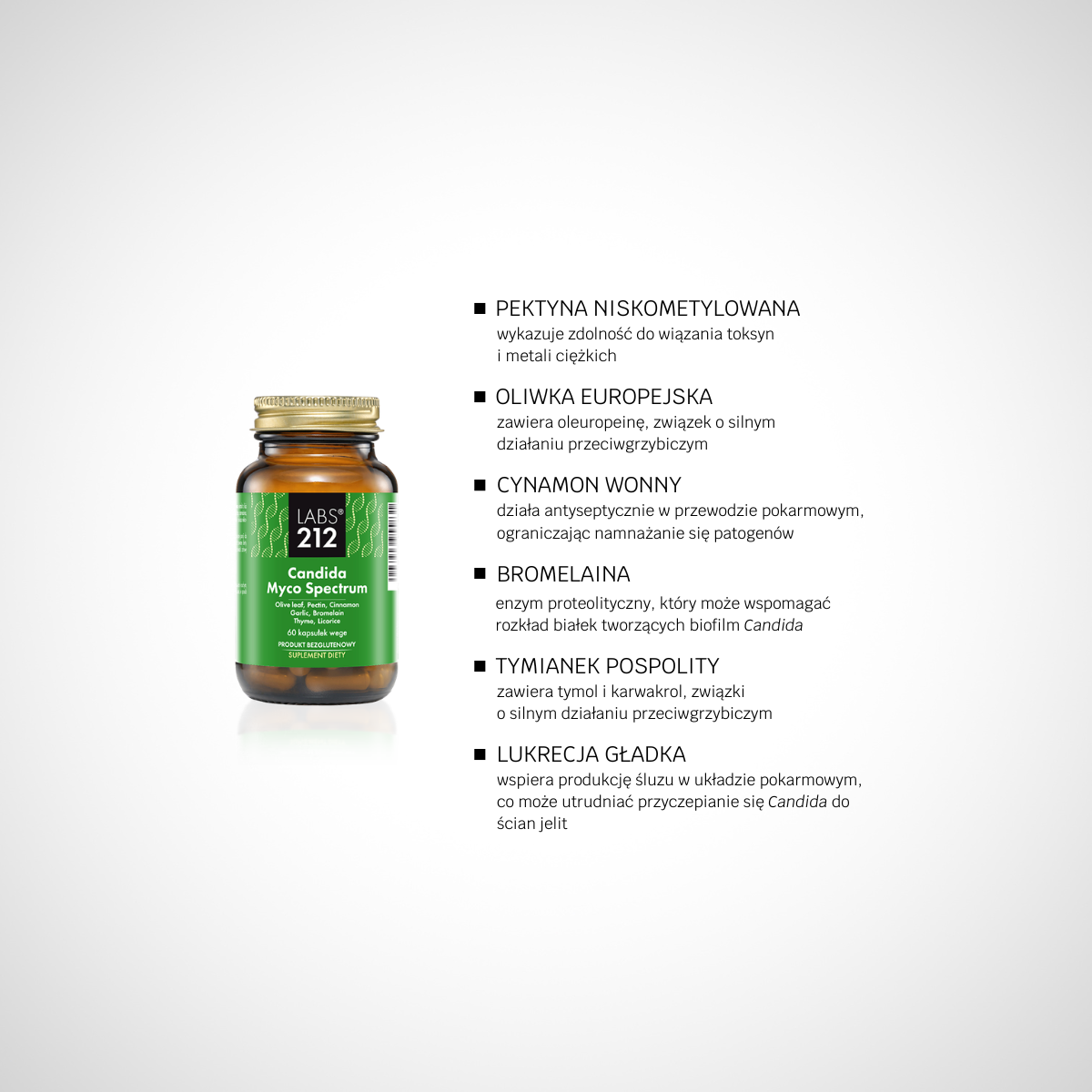
Low-Methoxyl Pectin
- acts as a prebiotic, supporting the growth of beneficial gut bacteria that help maintain microbial balance and limit Candida overgrowth,
- binds toxins and heavy metals, aiding in the elimination of Candida yeast metabolites from the body,
- supports gut health by protecting the mucosal lining from irritation and inflammation,
- its gelling properties may slow sugar absorption, limiting food availability for Candida,
- supports intestinal peristalsis, contributing to the removal of excess pathogens from the digestive tract.
European Olive Leaf Extract (Olea europaea)
- exhibits antibacterial and antiviral effects, helping eliminate pathogens and supporting microbial balance,
- supports the immune system in fighting Candida overgrowth and preventing recurrence,
- has anti-inflammatory properties, which may soothe intestinal mucosa damage caused by Candida toxins,
- supports detoxification, helping eliminate toxic metabolites of yeast fungi.
Ceylon Cinnamon Bark Extract (Cinnamomum cassia)
- contains cinnamaldehyde, which has strong antifungal effects that may inhibit Candida growth,
- acts as an antiseptic in the digestive tract, limiting the spread of pathogens,
- supports digestion and may help reduce inflammation of the gut lining,
- may influence glucose metabolism, reducing sugar availability – the main energy source for Candida,
- supports peristalsis, aiding in the removal of yeast fungi.
Common Garlic Bulb Extract (Allium sativum)
- contains allicin, a compound with strong antifungal activity that may inhibit Candida and weaken its biofilm,
- has antibacterial and antiviral properties, supporting the fight against coexisting infections,
- supports detoxification, helping remove Candida metabolites,
- acts as a prebiotic, supporting beneficial bacteria and microbiota balance,
- may reduce bloating and discomfort, supporting peristalsis.
Bromelain – Extract from Edible Pineapple Stem (Ananas comosus)
- proteolytic enzyme that may break down biofilm proteins and support yeast elimination,
- has anti-inflammatory effects, aiding intestinal mucosa regeneration,
- supports digestion and nutrient absorption,
- may enhance immunity, boosting the body’s defenses,
- supports detoxification, helping limit die-off side effects.
Common Thyme Herb Extract (Thymus vulgaris)
- contains thymol and carvacrol, compounds with strong antifungal action,
- has antibacterial and antiseptic effects, promoting healthy microbiota,
- aids digestion and reduces Candida-related discomfort,
- relieves intestinal spasms, supporting peristalsis,
- has anti-inflammatory properties, promoting mucosal repair.
Licorice Root Extract (Glycyrrhiza glabra)
- contains glycyrrhizic acid, which may have antifungal effects,
- protects and regenerates intestinal mucosa,
- supports mucus production, reducing Candida adhesion,
- aids microbiota recovery, reducing inflammation,
- acts as a prebiotic, supporting the growth of beneficial bacteria.
| Ingredient | Amount per daily serving 2 capsules |
|
| Low-Methoxyl Pectin | 150 mg | – |
| European Olive Leaf Extract (Olea europaea), standardized to 20% oleuropein | 100 mg | – |
| Ceylon Cinnamon Bark Extract (Cinnamomum cassia), standardized to 10% cinnamaldehyde | 100 mg | – |
| Common Garlic Bulb Extract (Allium sativum), standardized to 3,5% allicin | 100 mg | – |
| Bromelain – Extract from Edible Pineapple Stem (Ananas comosus L.) 1200 GDU/g | 100 mg | – |
| Common Thyme Herb Extract (Thymus vulgaris) | 50 mg | – |
| Licorice Root Extract (Glycyrrhiza glabra), standardized to 1% glycyrrhizic acid | 50 mg | – |
| L-leucine | 5 mg | – |
*DV – Daily Value
Ingredients: Hydroxypropyl Methylcellulose – Capsule Shell, Low-Methoxyl Pectin, European Olive Leaf Extract, Ceylon Cinnamon Bark Extract, Common Garlic Bulb Extract, Bromelain, Common Thyme Herb Extract, Licorice Root Extract, Microcrystalline Cellulose, L-Leucine.
Gluten-free.
Amount per container: 60 vegan capsules.
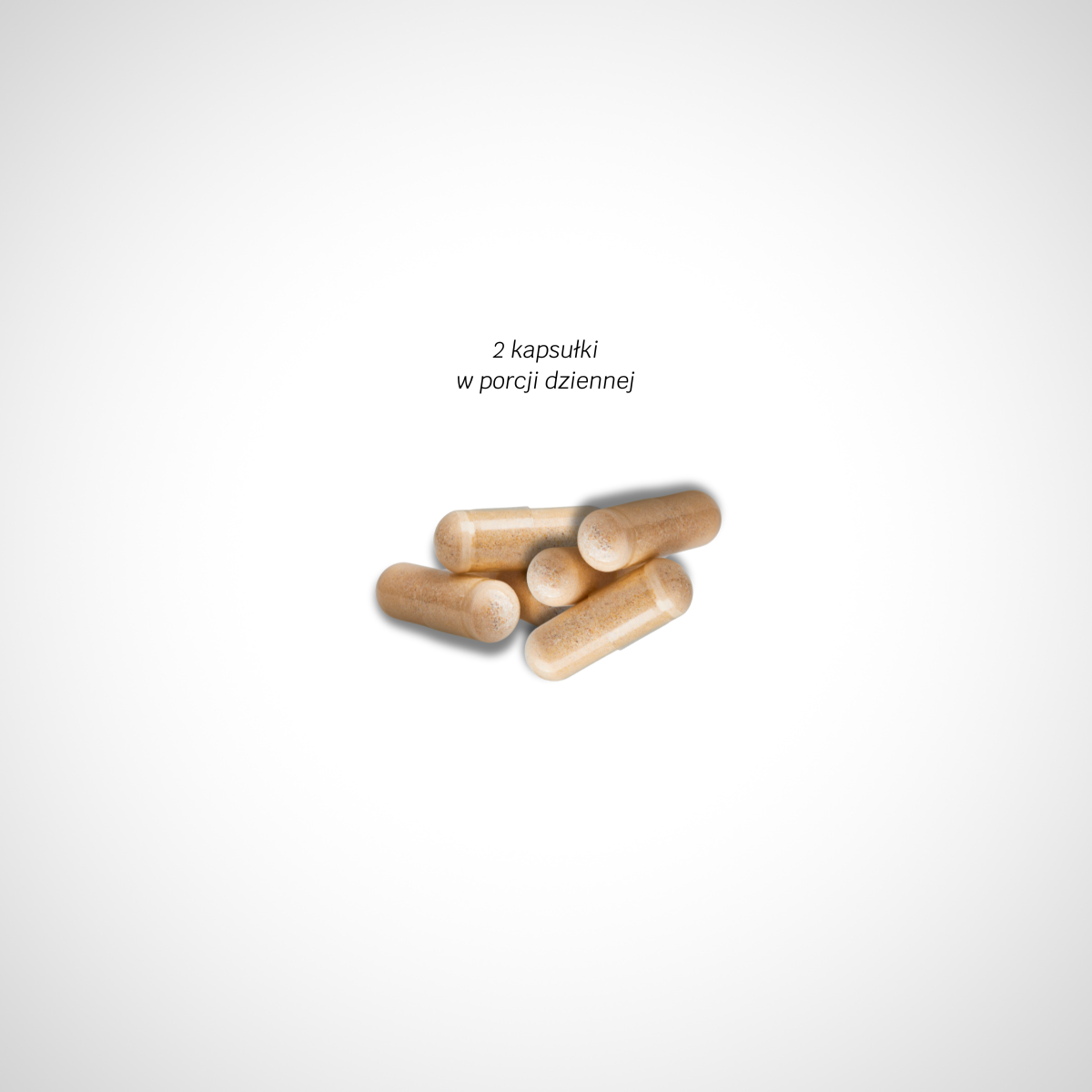
Take 2 capsules daily.
Recommended intake: take during a meal. We do not recommend consumption in the evening hours. We recommend taking the product alongside dietary modifications (anti-fungal diet, elimination of sugar).
Do not exceed suggested use. Dietary supplements should not replace a varied diet. The product is recommended for adults.
Warning: if pregnant or nursing, consult your doctor before use.
Capsule size: 1, (18 mm in length).
Organoleptic properties: when taken out of the capsule, a white powder with an undefined sour taste, which is not unpleasant. Opening the capsule does not affect the product’s properties.
Keep away from the sun at a temperature below 25°C in the original packaging, out of reach of small children.
Production lot number / Best before – see the unit label (left side of the label).
Batch tests performed towards:
- Microbiology: the presence of listeria, staphylococcus, Escherichia coli and coli groups, salmonella, total microbial count,
- Presence of: echimidine and heliosupine, erucifolin, europine, heliotrin, intermedina, jacobin, lasjocarpine, licopsamine and indicine, monocrotaline, echimidine N-oxide, erucifolin N-oxide, europine N-oxide, heliosupine N-oxide, heliothrin N-oxide, N -intermedin oxide, indicin N-oxide, echinatin N-oxide, rinderine N-oxide, jacobin N-oxide, lasiocarpine N-oxide, lycopsamine N-oxide, monocrotaline N-oxide, retrorzyne N-oxide, usaramine N-oxide, N-oxide senecionine, integerrimine N-oxide, senecyvernine N-oxide, seneciphylline N-oxide, sparthioidine N-oxide, retrorzyne, usaramine, rinderine and echinatin, seneciphylline, sparthioidine, senecivernine, integerrymine, senecionine, senkirkine, trichodesmin, atropine, scopolamine, the presence of pyrrolizidine and tropane alkaloids,
- ethylene oxide and 2-chloroethanol,
- gluten content.
The tests were carried out at the independent, accredited Laboratorium GBA Polska – Certificates of Accreditation no: AB 1095.



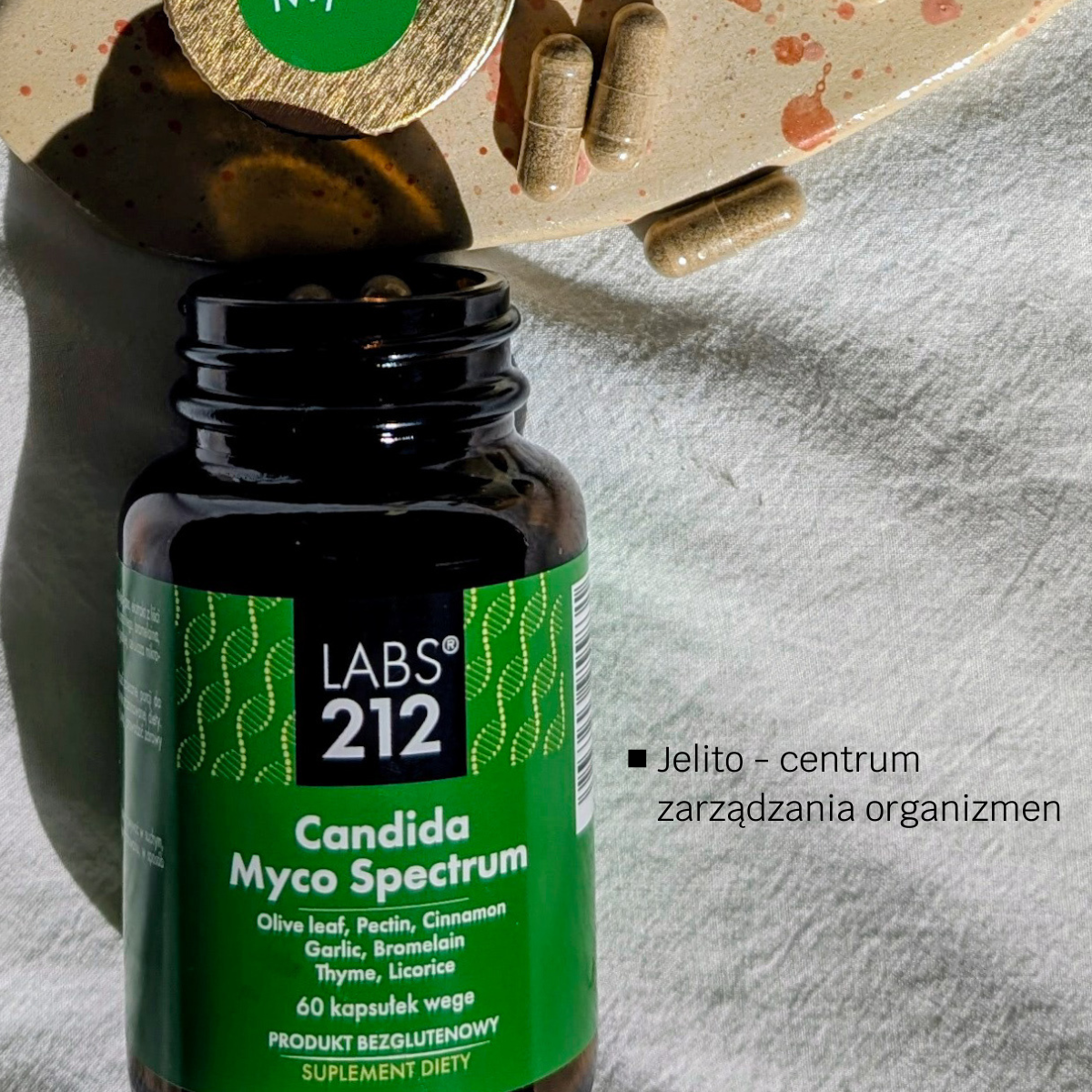
The gut – a vital axis of human health
Opportunistic bacteria are a group of microorganisms that under normal conditions are not harmful, but under certain circumstances can cause disease. They are commonly said to take advantage of the body being “weakened” to seize the opportunity.
Opportunistic bacteria usually live harmlessly in our bodies (e.g. in the gut, on the skin, in the mouth) but activate their pathogenic nature when:
-
the immune system is weakened,
-
the gut or skin barrier is damaged,
-
the microbiota is disrupted (e.g. after antibiotics).
Candida is a natural part of a healthy gut microbiota. In small amounts, Candida albicans and other species (e.g. Candida glabrata, Candida krusei) are present in most people, mainly in the intestines, mouth, vagina, and on the skin.
The role of Candida is not fully understood, though researchers suspect that:
-
Candida may take part in the breakdown of food residues, especially sugars,
-
Candida supports immunity – by teaching the immune system to recognize pathogens,
-
Candida may protect against other, more aggressive fungi.
Balance is the key to gut health!
The microbiome is often compared to an ecosystem, where Candida can be like a “wild animal” in the forest: necessary, but only in controlled numbers.
If something disrupts that balance (e.g. antibiotics, stress, diet), Candida gets a chance to “overgrow,” leading to various health issues.
Candida overgrowth:
-
Candida overgrowth disrupts gut flora and leads to dysbiosis,
-
excessive Candida outcompetes beneficial bacteria,
-
overgrowth of Candida weakens the gut barrier and may lead to toxin leakage → so-called “leaky gut,”
-
Candida produces toxic metabolites, including acetaldehyde, which damages cells, burdens the liver, and affects mood and concentration (brain fog),
-
Candida overgrowth strains the immune system, as the body focuses on “fighting” the fungus, leading to chronic inflammation,
-
Candida overgrowth disrupts sugar metabolism – Candida feeds on sugar → increases sugar cravings, creating a vicious cycle.
Overgrown Candida can spread beyond the intestines, e.g. to:
-
the vagina (yeast infections),
-
the mouth (oral thrush),
-
the skin (itching, rashes),
-
in severe cases: the bloodstream (systemic candidiasis – serious, but rare in people with good immunity).
Symptoms suggesting Candida overgrowth:
-
constant fatigue,
-
brain fog, irritability,
-
bloating, gas, diarrhea or constipation,
-
sugar and carb cravings,
-
skin issues (e.g. rashes, itching),
-
frequent fungal infections (vagina, nails, skin),
-
bad breath, white coating on the tongue.
Gut dysbiosis is a condition in which the balance of the intestinal microbiota is disrupted.
Dysbiosis is characterized by an imbalance in the microbiome – changes in the composition, function, and metabolic activity of gut microorganisms, or a shift in their local distribution.
Dysbiosis develops as a result of:
-
overgrowth of fungi (e.g. Candida),
-
a decrease in beneficial bacteria and an increase in pathogenic bacteria.
In a healthy gut, diversity and balance are key.
Factors that cause dysbiosis include:
-
antibiotics (the most common culprit),
-
a diet low in fiber and high in sugar and processed foods,
-
chronic stress,
-
environmental pollutants, pesticides,
-
infections (e.g. parasites, fungi, viruses).

Discover other LABS212® products
-
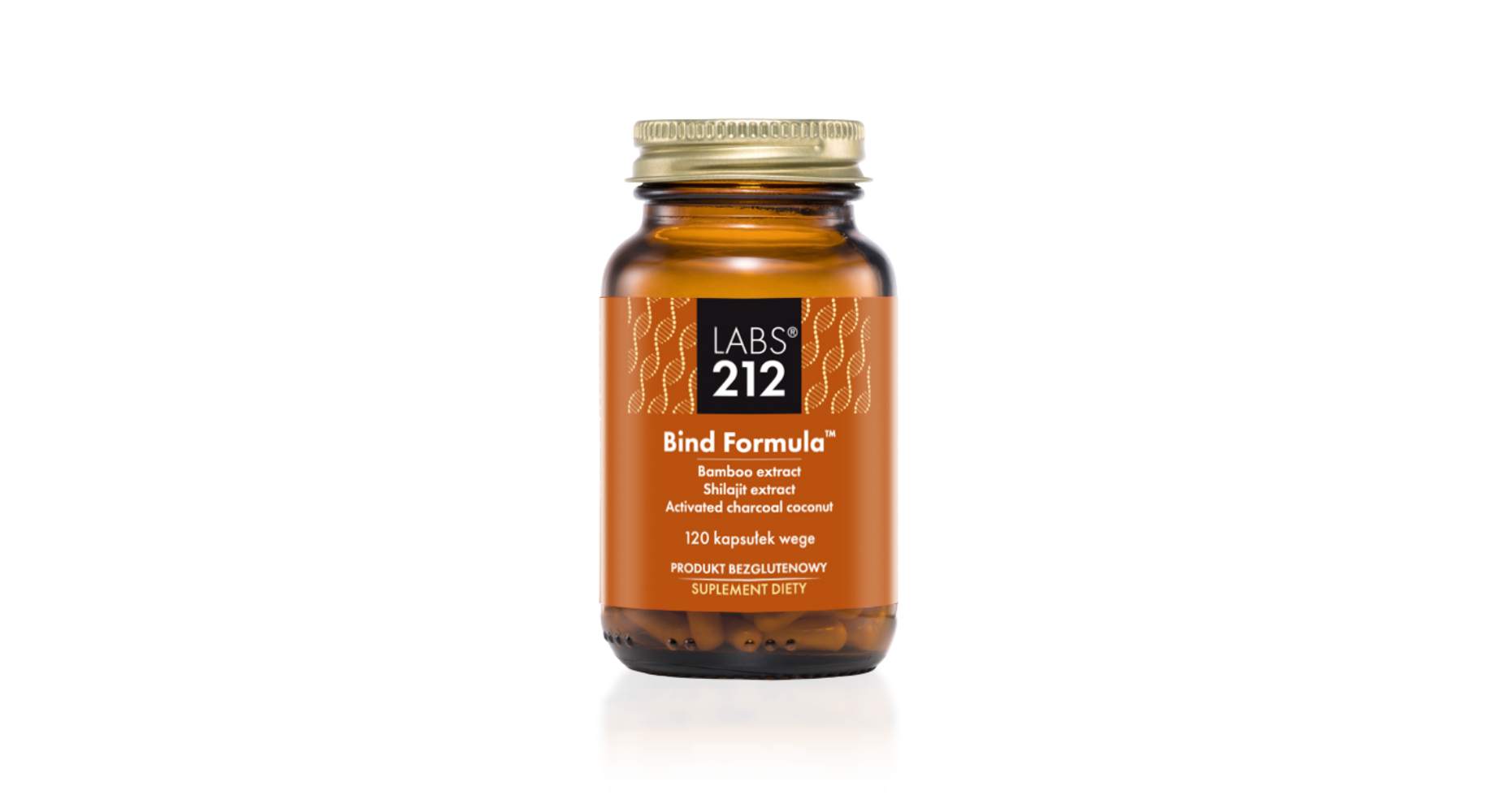
Dietary supplement
Bind Formula®
Liver detox support. 3 active ingredients: bamboo extract, activated coconut charcoal, shilajit (mumijo).More -
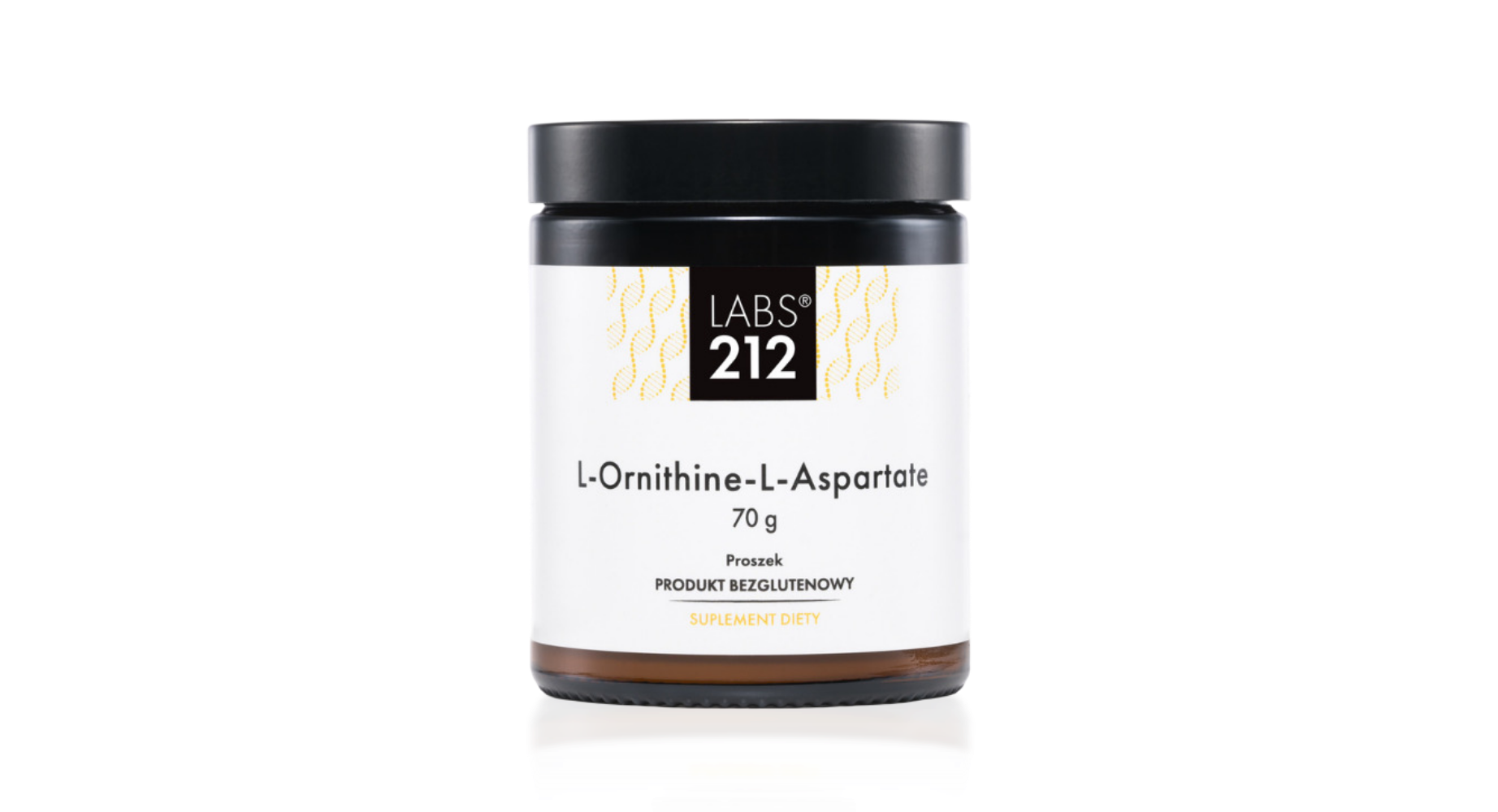
Dietary supplement
L-Ornithine-L-Aspartate
A combination of L-Ornithine and Aspartic Acid in powder form.More -
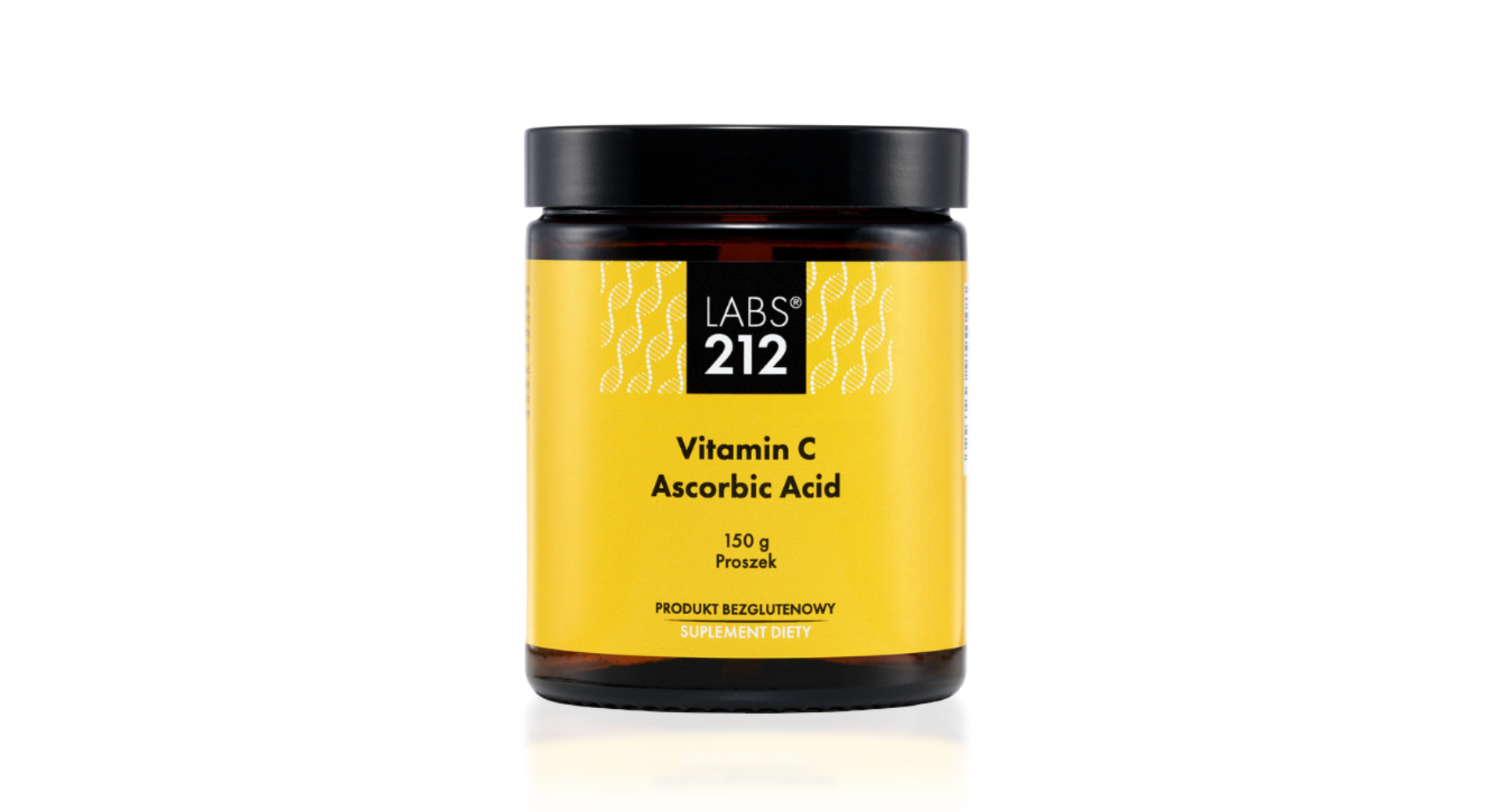
Dietary supplement
Vitamin C
Vitamin C in powder form. Servings per container: 150. Helps maintain normal immune system function.More -
-
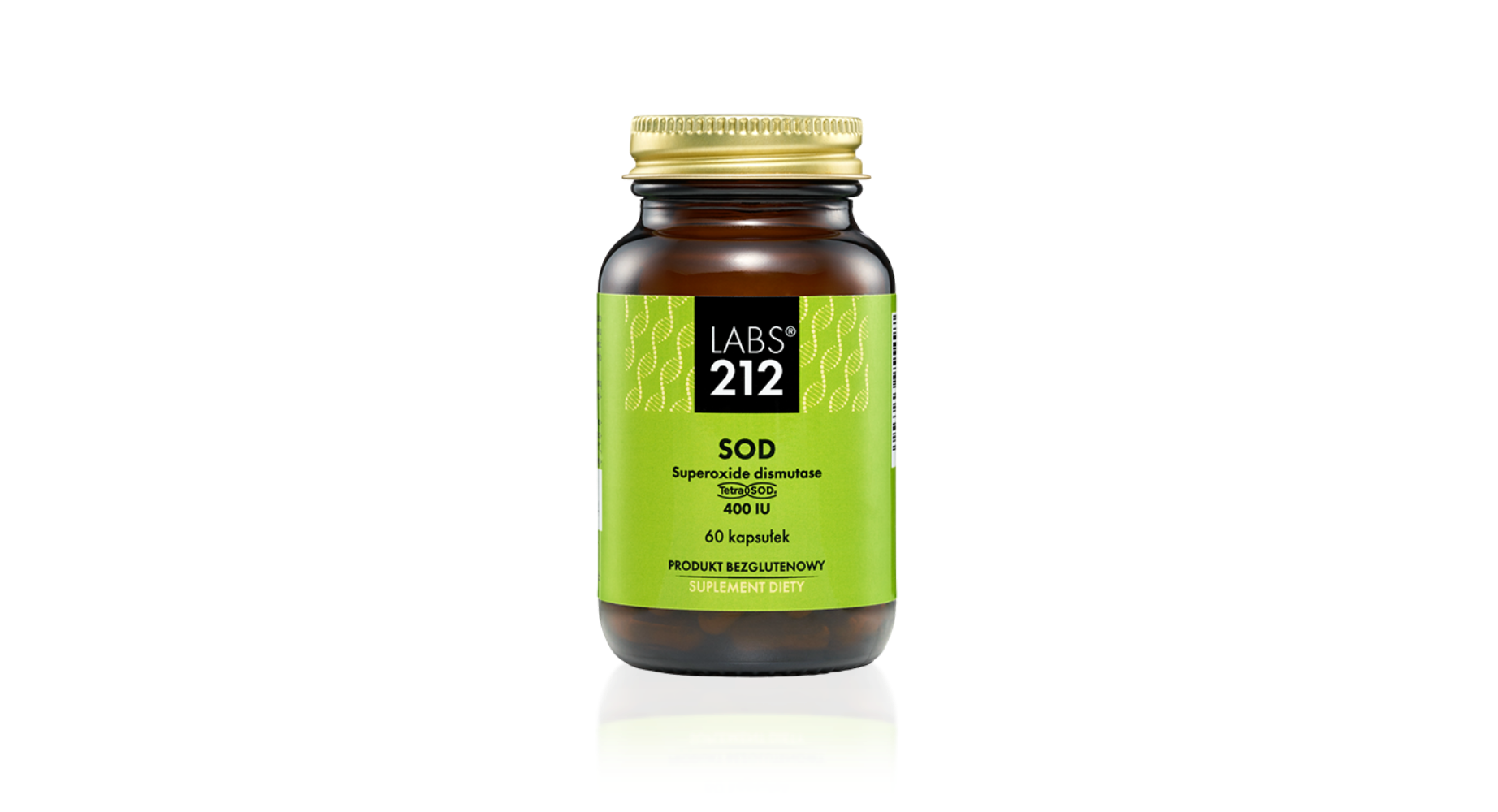
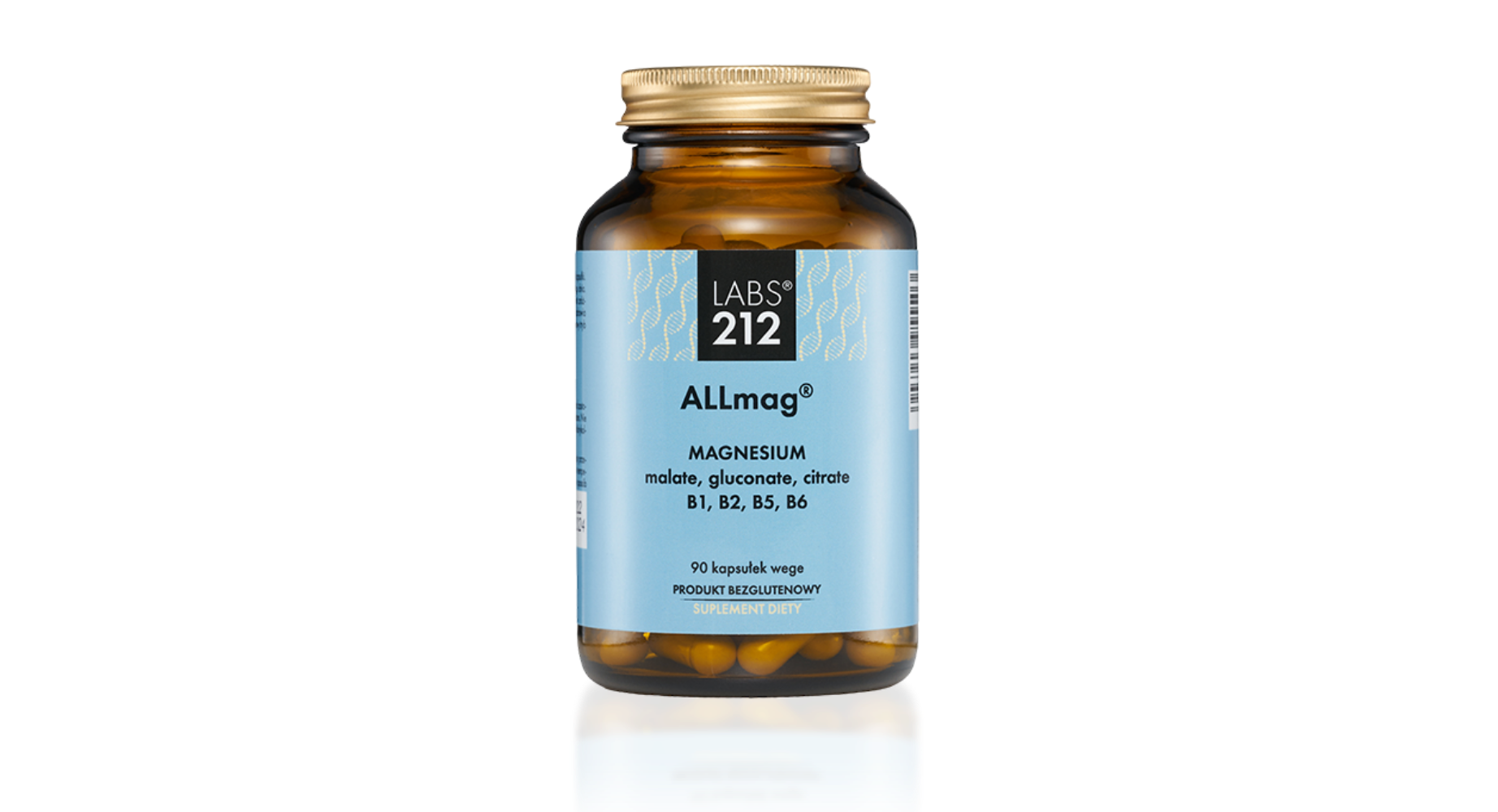
Dietary supplement
SOD
Antioxidant properties, Tetra-SOD® contains superoxide dismutase at the highest concentration availableMore