


 Buried and manufactured in Poland
Safe shopping guarantee. You will receive your product or your money back. See details
Dietary supplement
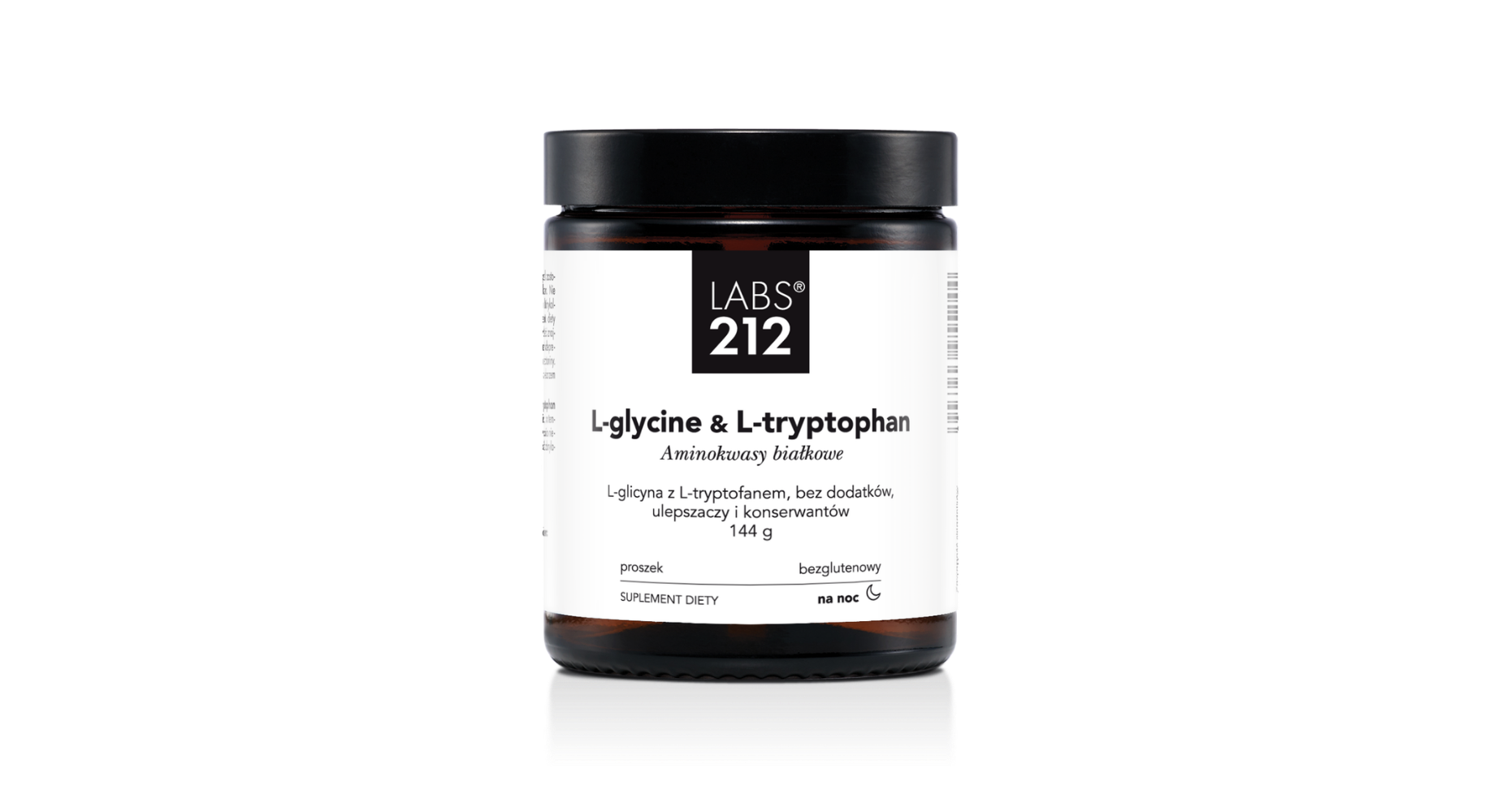
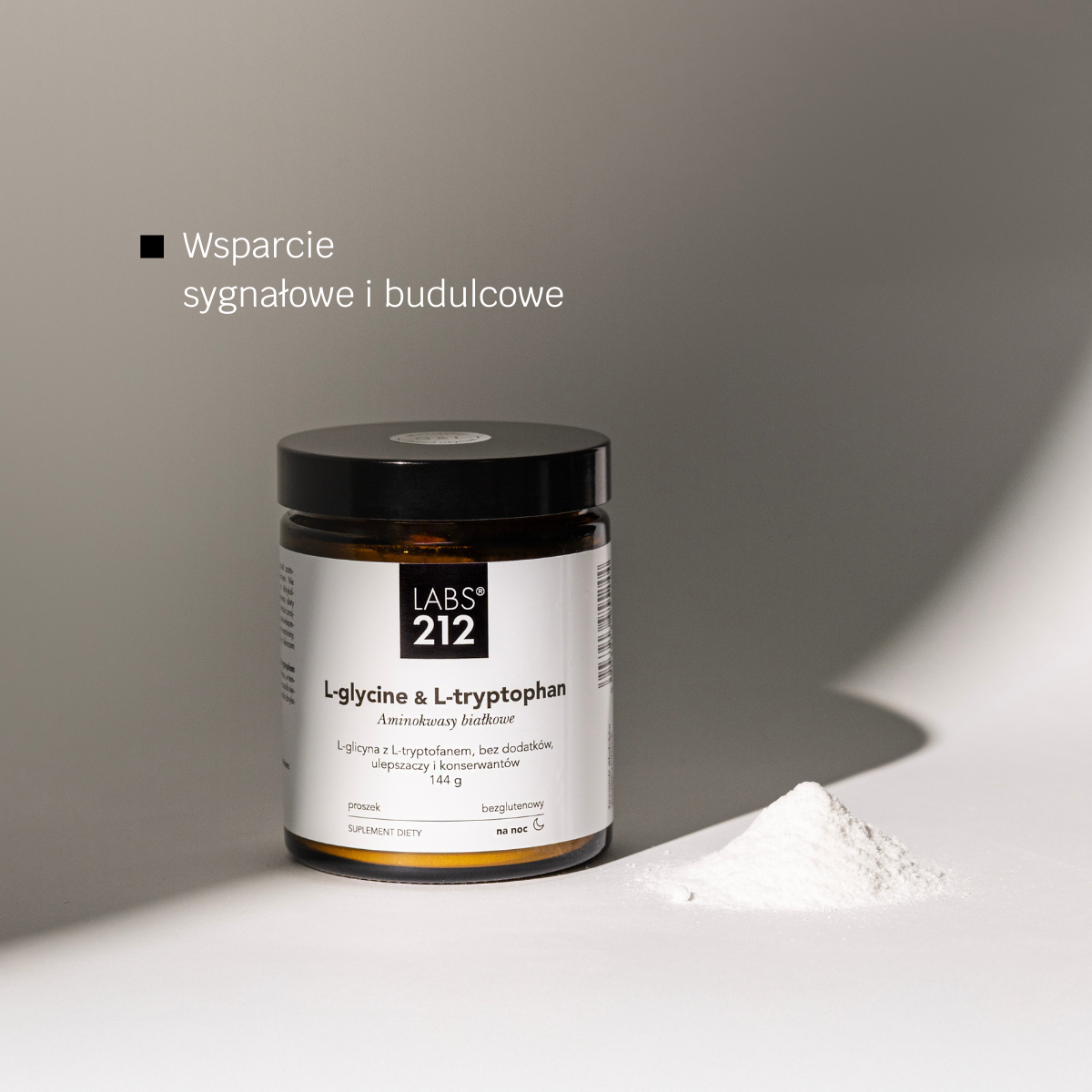
L-glycine & L-tryptophan powder
Protein amino acids
Glycine and Tryptophan: The Building Blocks of Nighttime Regeneration
Support for natural circadian rhythm
Product without additives, enhancers and preservatives
Supports uric acid metabolism and joint health
Microbiologically tested for the presence of heavy metals and ethylene oxide
Quantity: 144 g/ 45 daily servings
Should be consumed before: 07.2028
Registered in GIS: BZ/SD/POW/PL1000D/008451/2026
Production certificates: GHP, GMP, HACCP, ISO 22000:2018, ISO 9001:2015
 Buried and manufactured in Poland
59,99 zł
100 in stock
Price per 100 g: PLN 41.66

 Free delivery within Poland from 250 zł
Previous lowest price was 59,99 zł.
A combination of the protein amino acids glycine and tryptophan, which support the body’s natural repair processes. No additives, enhancers, or preservatives.
PREMIERA
Dietary supplement
L-glycine & L-tryptophan powder
Protein amino acids
Glycine and Tryptophan: The Building Blocks of Nighttime Regeneration
Support for natural circadian rhythm
Product without additives, enhancers and preservatives
Supports uric acid metabolism and joint health
Microbiologically tested for the presence of heavy metals and ethylene oxide
Quantity: 144 g/ 45 daily servings
Should be consumed before: 07.2028
Registered in GIS: BZ/SD/POW/PL1000D/008451/2026
Production certificates: GHP, GMP, HACCP, ISO 22000:2018, ISO 9001:2015
- Buried and manufactured in Poland
59,99 zł
100 in stock
Previous lowest price was 59,99 zł.
Price per 100 g: PLN 41.66
Free delivery within Poland from 250 zł
Safe shopping guarantee. You will receive your product or your money back. See details
The L-glycine & L-tryptophan dietary supplement is a powdered preparation containing protein amino acids: L-glycine with L-tryptophan, without additives, enhancers and preservatives.
L-Glycine and L-Tryptophan Complex is a combination of amino acids that support the body’s nighttime rest through signaling and structural support . The formula provides L-tryptophan , essential for the production of melatonin and serotonin, which send biological signals for relaxation, and L-glycine , the main structural component for collagen synthesis. While tryptophan induces the nervous system into a state of rest, glycine provides the physical raw material for rebuilding tissues and epithelial barriers. This division of roles ensures optimal availability of the elements necessary for simultaneous calm and natural nighttime repair processes.
L-glycine:
- L-glycine constitutes as much as one third (33%) of all amino acids that build the structure of collagen ,
- L-glycine is a natural building block of skin, joints, tendons and cartilage ,
- L-glycine in the body is an essential element for the production of glutathione, the main cellular antioxidant,
- L-glycine is used by the body as a substrate for the natural production of creatine ,
- L-glycine occurs naturally in the structures of the brain and nervous system,
- L-glycine is involved in the formation of heme, the component responsible for the transport of oxygen in red blood cells ,
- L-glycine is one of the basic amino acids from which the human body builds its own proteins .
L-tryptophan:
- L-tryptophan is an exogenous (essential) amino acid , which means that the body cannot synthesize it itself and must be supplied from outside,
- L-tryptophan is a direct precursor to the production of serotonin , commonly called the “happiness hormone”,
- L-tryptophan in the natural biochemical cycle of the body takes part in the synthesis of melatonin , a compound responsible for regulating the circadian rhythm,
- L-tryptophan is a key substrate used by the body to produce niacin (vitamin B3) ,
- L-tryptophan is one of the basic structural elements from which the body builds body and muscle proteins ,
- L-tryptophan occurs naturally in the nervous system and in the cells of the gastrointestinal mucosa.
| INGREDIENT NAME | In a daily dose 3 scoops |
| L-glycine | 3000 mg |
| L-tryptophan | 200 mg |
Ingredients: L-glycine, L-tryptophan
Gluten-free
Net weight: 144 g.
Recommended daily dose : 3200 mg (equivalent to 3 scoops included in the package).
Preferred intake : should be consumed 3-60 minutes before bedtime or during a dinner containing complex carbohydrates.
Do not exceed the recommended daily dose. To maintain good health, a varied diet and a healthy lifestyle are recommended. Dietary supplements should not be used as a substitute for a varied diet. This product is recommended for adults.
Warning: Pregnant and breastfeeding women should consult a doctor before using the product.
Organoleptic properties:
Storage: The L-glycine & L-tryptophan dietary supplement should be stored out of direct sunlight, at a temperature of 5-25 ° C, in the original packaging, out of reach of small children.
Production batch number/ Best before end – information can be found on the individual label (left side of the label).
Batch tests performed:
- microbiology, presence of: listeria, staphylococcus, escherichia coli and coliforms, salmonella , mold, yeast, total number of microorganisms,
- presence of pyrrolizidine and tropane alkaloids,
- heavy metals (arsenic, cadmium, lead, mercury),
- ethylene oxide and 2-chloroethanol,
- gluten content.
The tests were carried out in the independent, accredited GBA Polska Laboratory – Accreditation Certificate No. AB 1095.


L-glycine
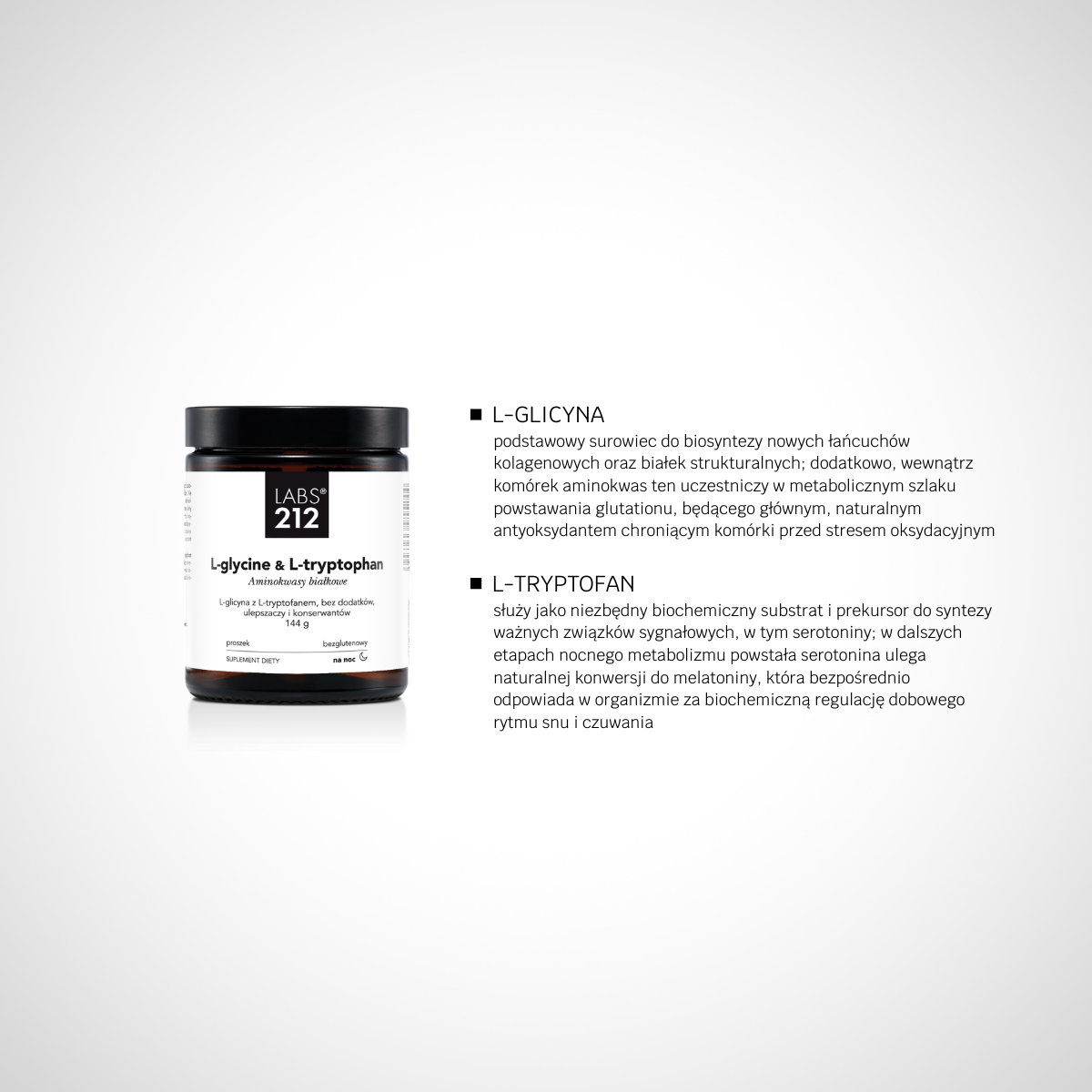
The L-glycine contained in this product is a non-essential amino acid with a simple structural structure , constituting over one-third of all the amino acids that make up human collagen. Thanks to its minimal molecular weight, this key building block is rapidly absorbed in the digestive tract and directly distributed to cells throughout the body.
In target tissues, L-glycine is used by fibroblasts as a basic raw material for the biosynthesis of new collagen chains and structural proteins. Additionally, within cells, this amino acid participates in the metabolic pathway for the formation of glutathione , a key natural antioxidant that protects cells from oxidative stress.
L-tryptophan
The L-tryptophan contained in this product is an organic, exogenous amino acid , meaning it is not synthesized by the body and must be supplied externally. After ingestion, it is effectively absorbed in the small intestine and then transported through the bloodstream, where it crosses the blood-brain barrier as a free amino acid, becoming available to the nervous system.
In target tissues, L-tryptophan serves as an essential biochemical substrate and precursor for the synthesis of important signaling compounds, including serotonin. During further stages of nocturnal metabolism, the resulting serotonin is naturally converted to melatonin , which is directly responsible for the biochemical regulation of the body’s circadian rhythm of sleep and wakefulness .
The Versatility of Glycine with Tryptophan
The Japanese research team Asahi Group/Asahi Quality & Innovations has published several studies on the combination of glycine and tryptophan.
Study 1 (main): mild hyperuricemia, dose 3000 mg glycine and 200 mg tryptophan.
Source: Nutrients 2019, 11(3), 564
Randomized, double-blind, placebo-controlled, crossover design.
Participants: 31 healthy Japanese individuals (30 men, 1 woman) with mild hyperuricemia (fasting uric acid: 6.6–7.9 mg/dL).
Intervention: powder containing 3.0 g glycine + 0.2 g tryptophan, once daily before bedtime, for 6 weeks
Results:
- Serum uric acid: decrease from 7.1 to 6.7 mg/dL (p=0.004) — significant difference vs. placebo (p=0.028)
- Triglycerides: decreased from 119 to 86 mg/dL (p=0.002) — quite a large effect, although this is a secondary outcome
- Mechanism: increase in urine pH → increased solubility of uric acid → increased urate clearance.
Study 2
Source: Nutrients 2019, 11, 2562
Randomized, single-blind, placebo-controlled, crossover
Participants: 16 healthy Japanese subjects with low uric acid excretion (statistical power calculated a priori: need> 15 people at power 0.8).
Intervention: higher doses – 6.0 g glycine + 0.4 g tryptophan (2x your dose), administered with a purine load.
Results:
- The combination significantly reduced the increase in uric acid induced by purine consumption.
- Glycine alone, as well as in combination with tryptophan, increased urinary uric acid excretion and urate clearance.
- The same mechanism was confirmed: increase in urine pH.
The advantage of combining glycine with tryptophan is that the two amino acids do not compete with each other.
Glycine, as the smallest amino acid without a side chain, mainly uses transporters dedicated to small amino acids (IMINO, ASC), and not the L system, which transports tryptophan.
Glycine and tryptophan do not compete for absorption and act through separate, complementary mechanisms.
Tryptophan is an amino acid that the body cannot produce on its own. It must be obtained from food, and its main sources include meat, fish, eggs, dairy products, and nuts.
🧠 Tryptophan is a building block for serotonin, the feel-good hormone. Higher serotonin levels are associated with a better mood and a calmer mind.
🌙 Tryptophan is a building block for melatonin . The body converts serotonin into melatonin, the sleep hormone, mainly in the evening and at night. This is a natural signal to the body that it’s time to sleep.
😴 Tryptophan can support falling asleep, thanks to its role in the production of melatonin, tryptophan is sometimes used as a natural support for problems with falling asleep.
Glycine is a neurotransmitter with a dual role, which makes it quite unusual among amino acids.
In the spinal cord and brainstem, glycine acts as the primary inhibitory neurotransmitter (alongside GABA, which predominates in the brain). It binds to specific glycine receptors (GlyRs)—ligand-gated chloride channels. Upon connection, chloride ions flow into the neuron, hyperpolarizing the cell membrane and inhibiting impulse conduction.
This function is crucial for, among others:
- motor control and spinal reflexes,
- transmitting pain signals,
- regulation of breathing.
An interesting proof of this mechanism is strychnine, which works by blocking glycine receptors, hence convulsions and excessive muscle excitability in case of poisoning.
In the brain (cortex, hippocampus), glycine also serves as an excitatory co-agonist. It is necessary (along with glutamate) for the activation of NMDA receptors. Without glycine (or D-serine, which may perform a similar function), the NMDA receptor will not open, even in the presence of glutamate.
NMDA receptors are crucial for synaptic plasticity, learning, and memory, which is why glycine is being studied in the context of schizophrenia (deficiency in NMDA signaling) and potential support for cognitive function.
Glycine is one of the few compounds that acts both as an inhibitory neurotransmitter (via GlyR receptors) and as an excitatory modulator (via NMDA), depending on the location in the nervous system.

Compose your treatment with LABS212®
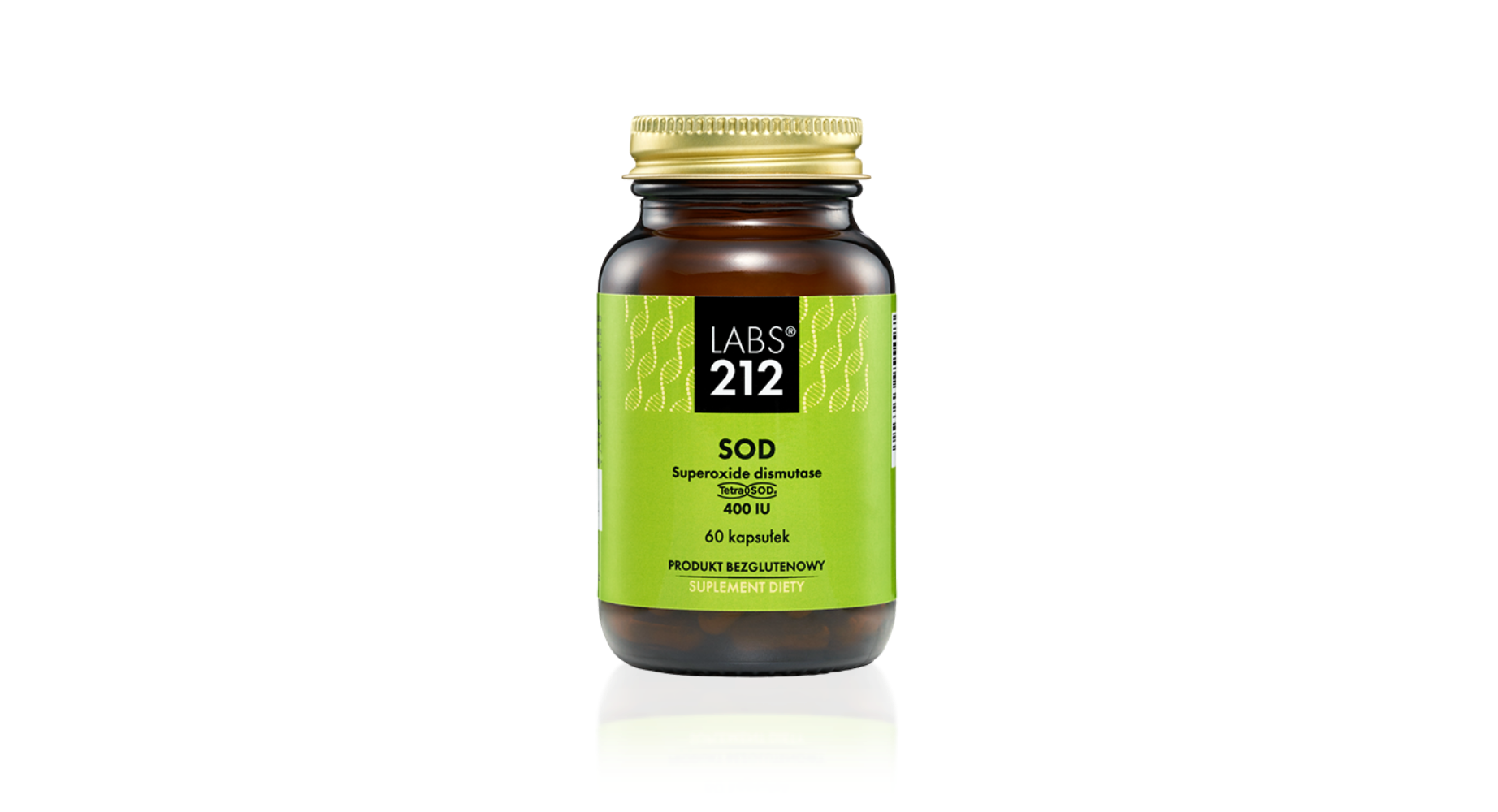
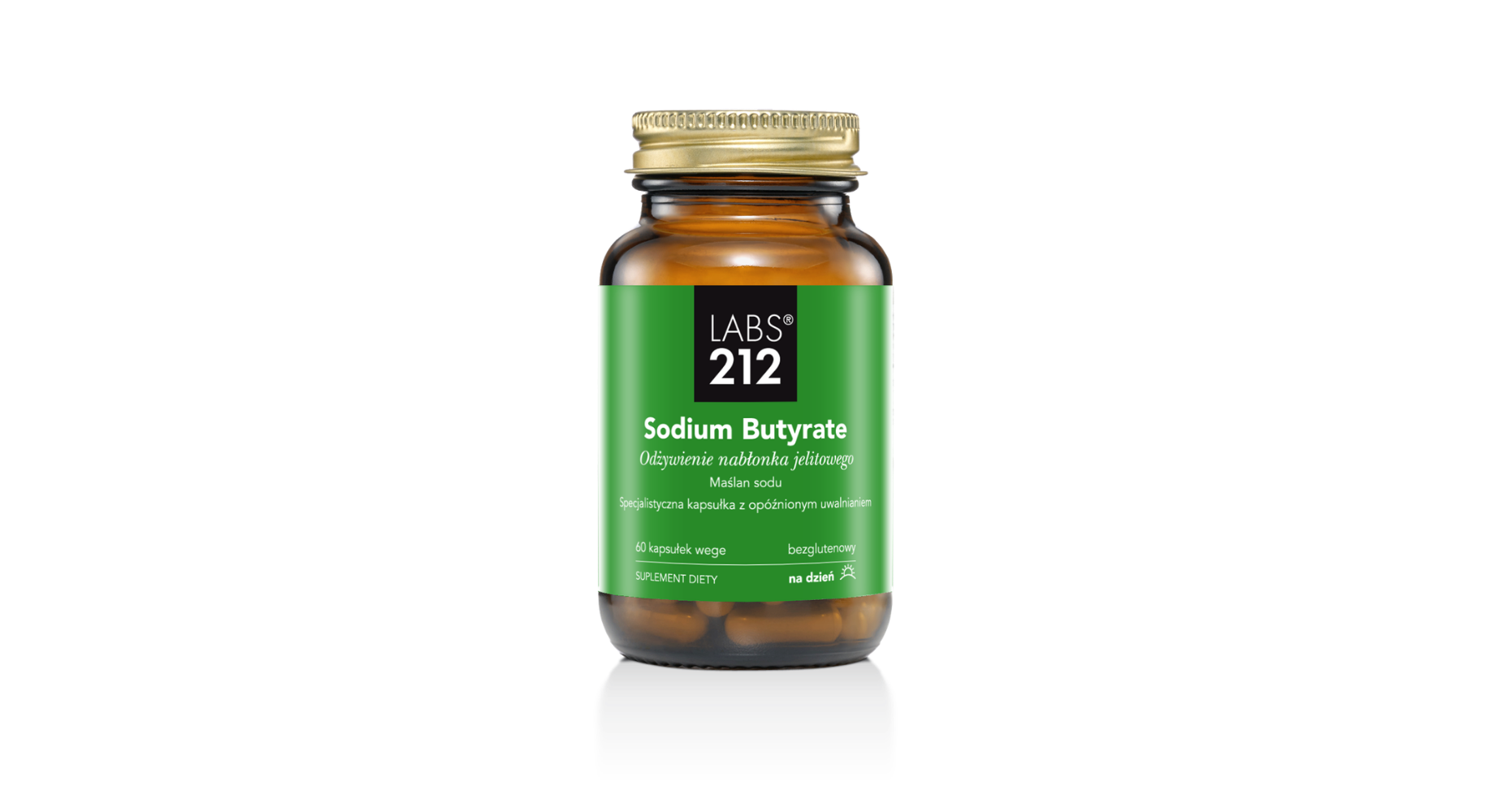
Discover other LABS212® products

Dietary supplement
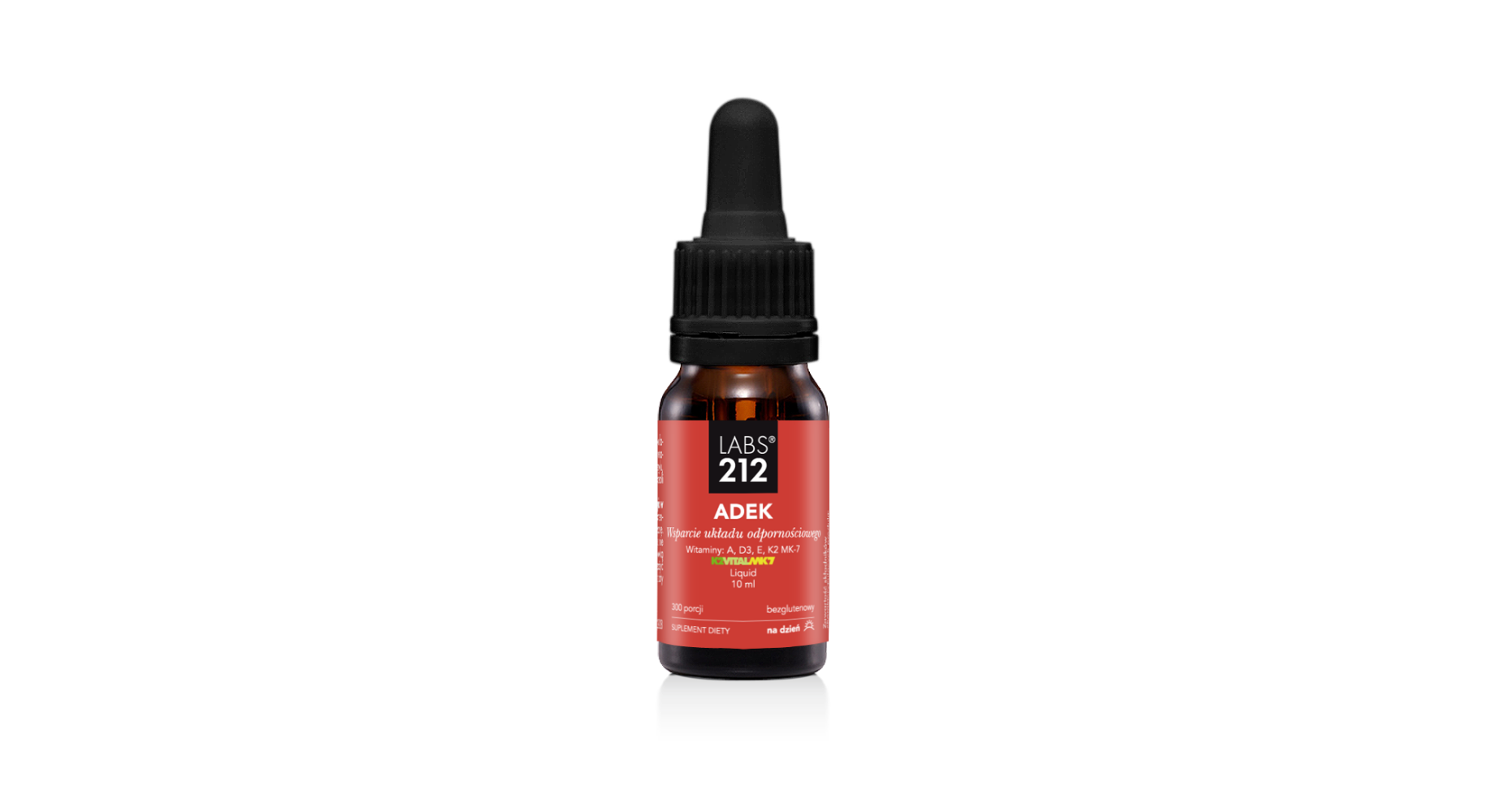
ADEK Liquid
Support for the immune system. 300 servings per container. Liquid formula with MCT oil.MoreDietary supplement
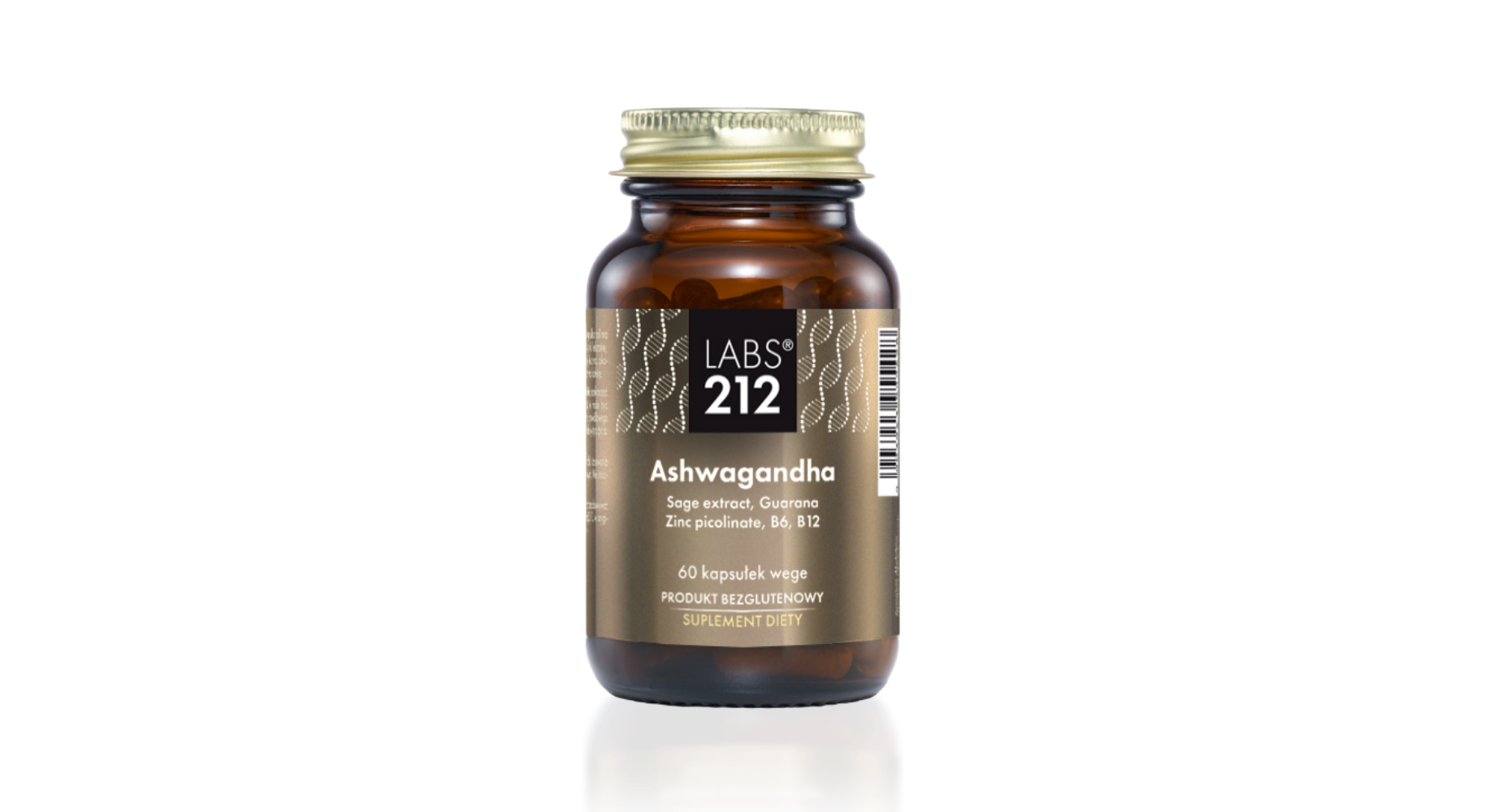
Ashwagandha
Helps reduce stress, lower cortisol levels, and anxiety. Ashwagandha, Sage, Guarana, Zinc, B6 and B12MoreDietary supplement
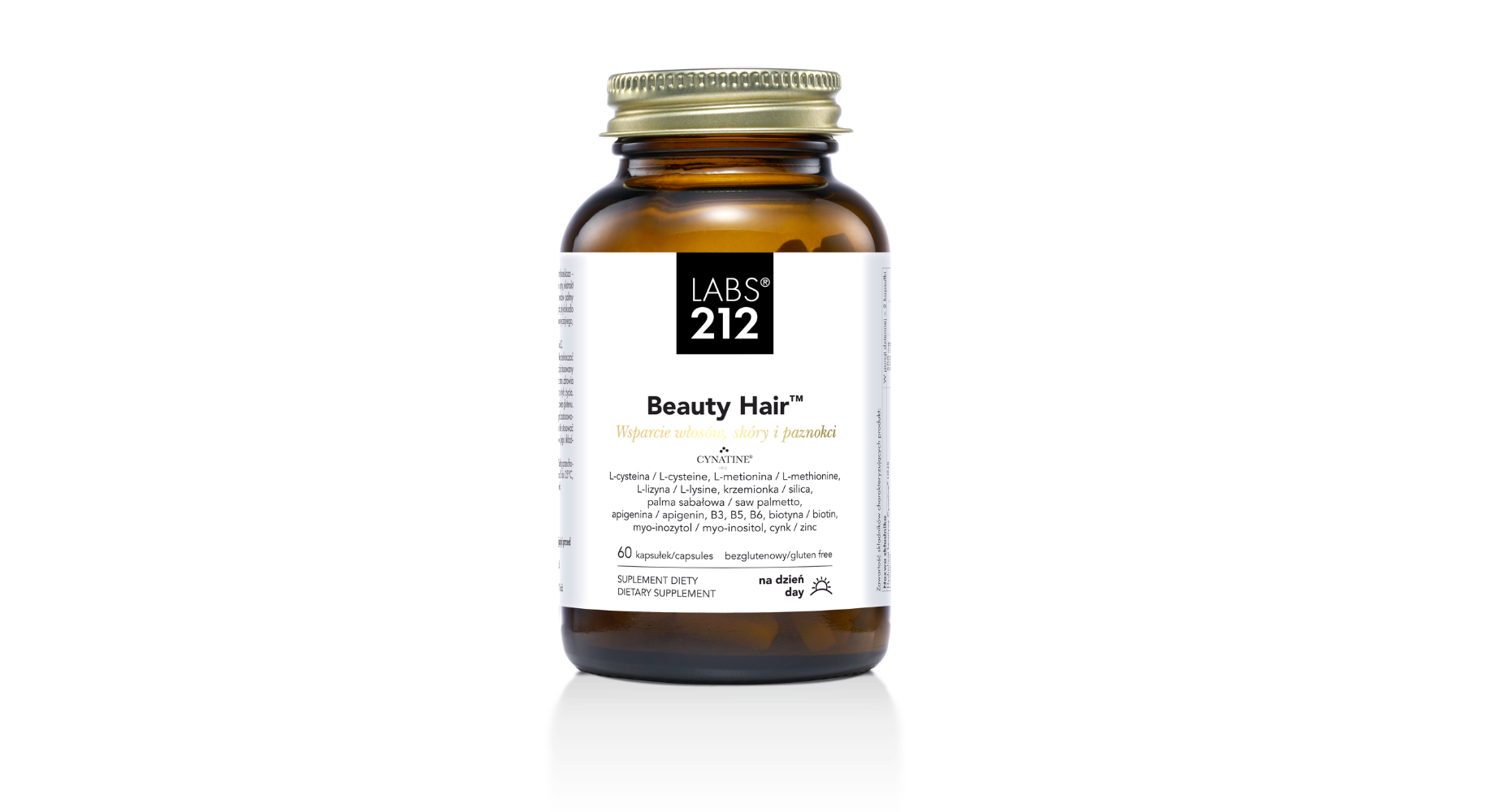
Beauty Hair™
Comprehensive support for hair, skin, and nails. Keratin Cynatine®, L-cysteine, L-methionine, bamboo shoot extract, sabal palm extract, celery seed extract, B3, B5, B6, biotin, my-inositol, zinc.MoreDietary supplement
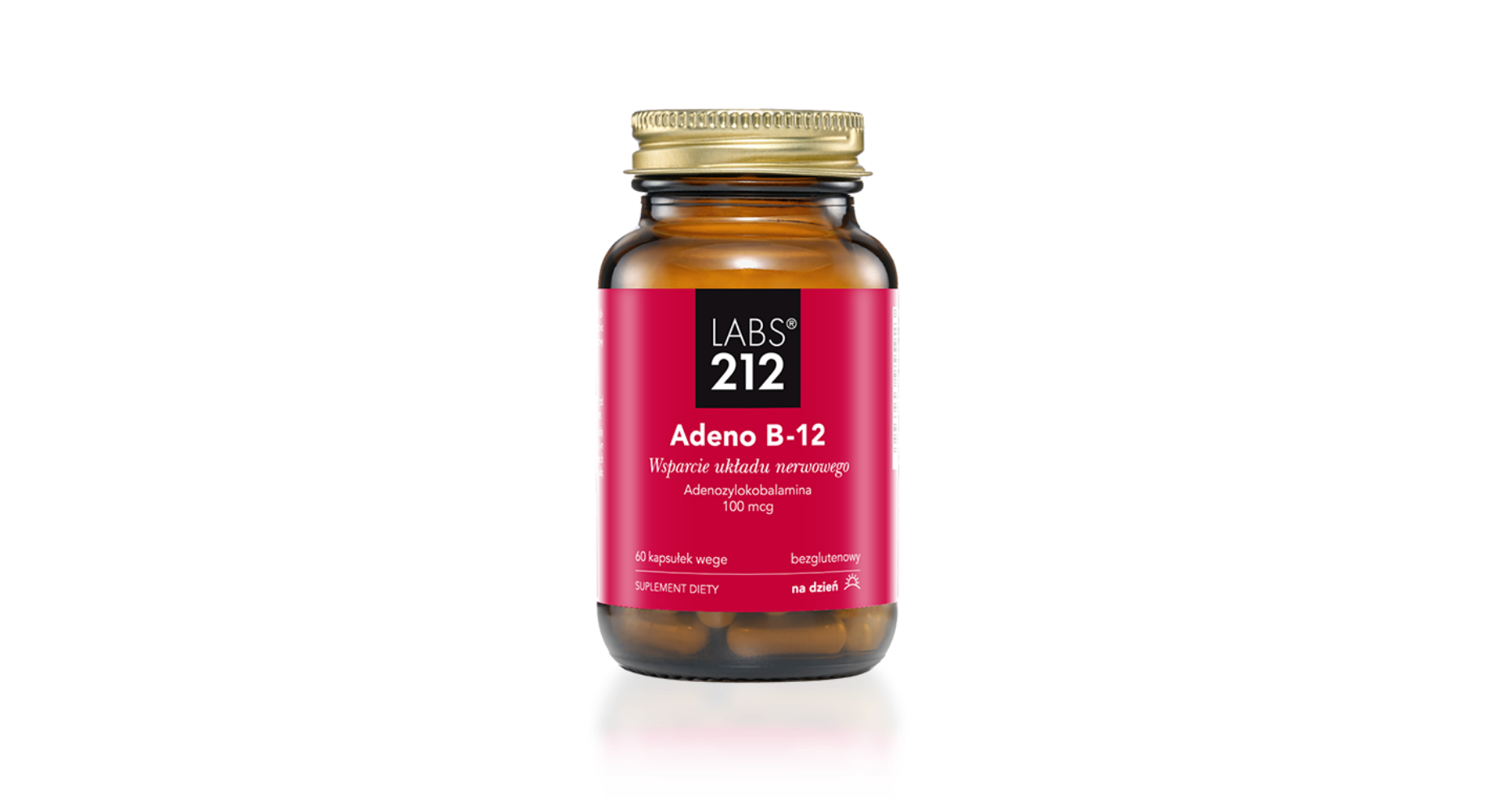
Adeno B-12
Dietary supplement Vitamin B12 Methylcobalamin is the biochemically active form of B12, is very important in the methylation process.MoreDietary supplement
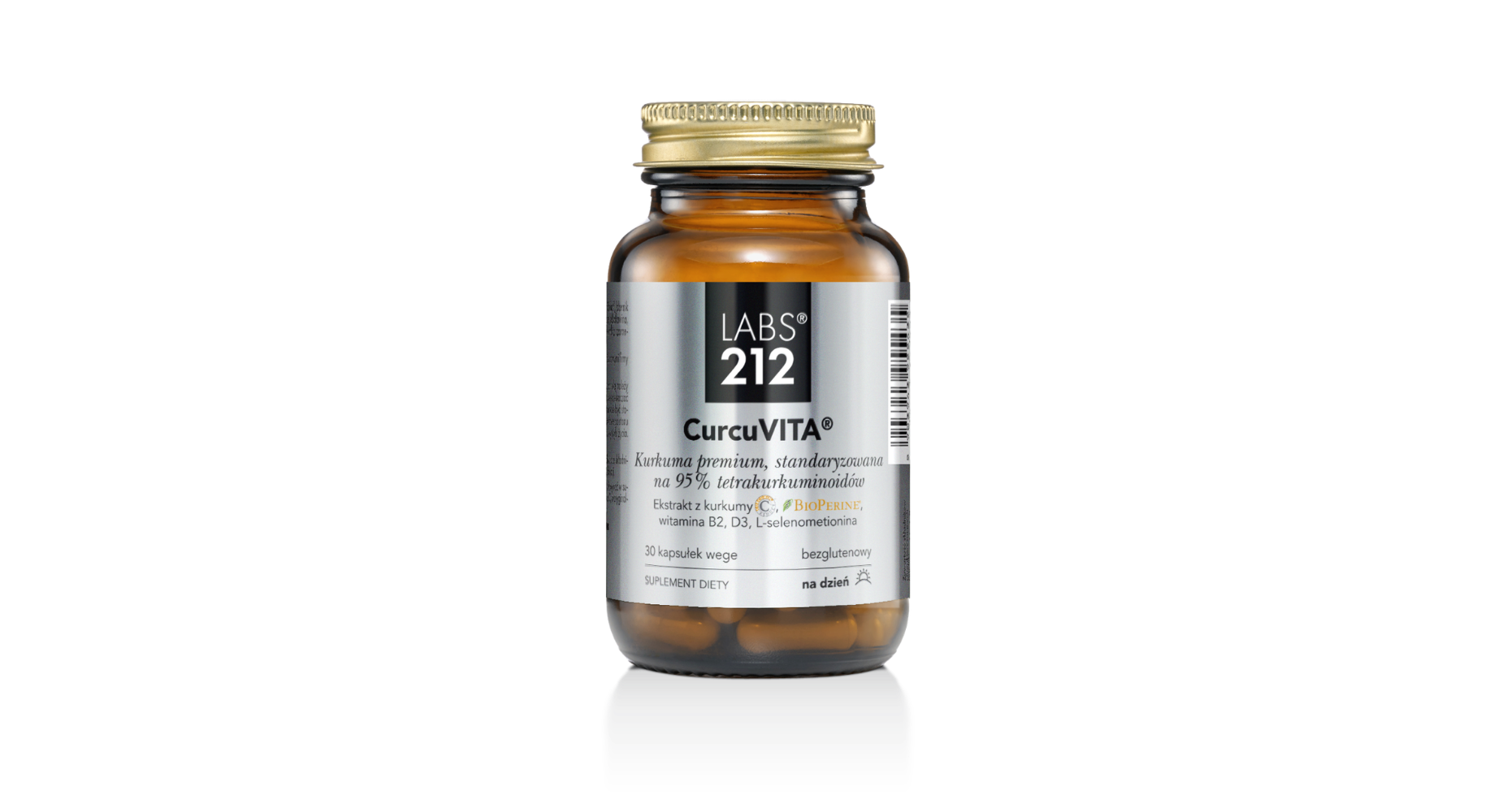
CurcuVITA®
A new generation turmeric extract C3 Reduct®. Standardized to contain 95% tetrahydrocurcuminoids.MoreDietary supplement
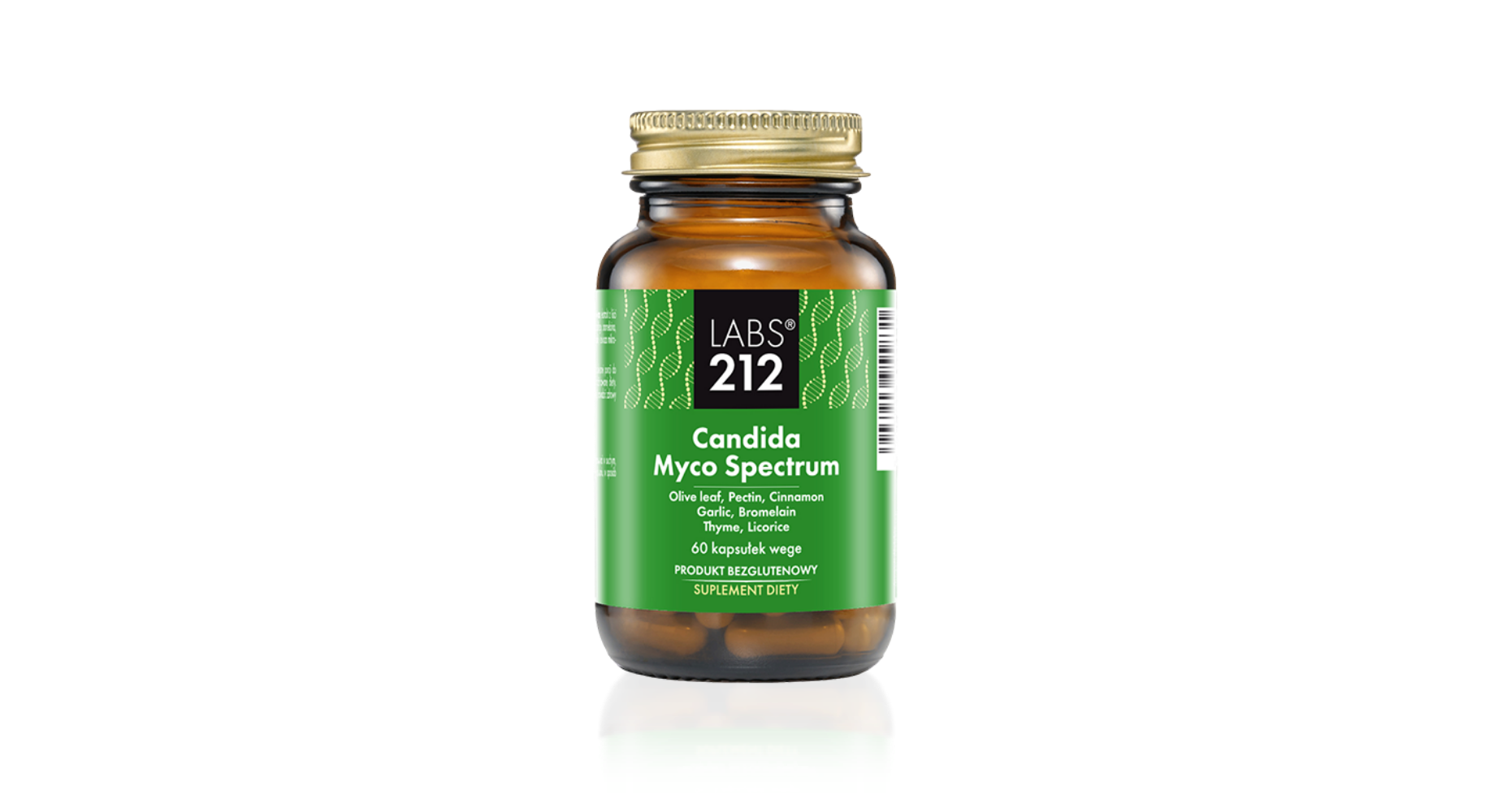
Candida-Myco Spectrum
Support for proper gut balance. 7 active ingredients: pectin, olive leaf extract, cinnamon, garlic, thyme, licorice, bromelain.MoreDietary supplement
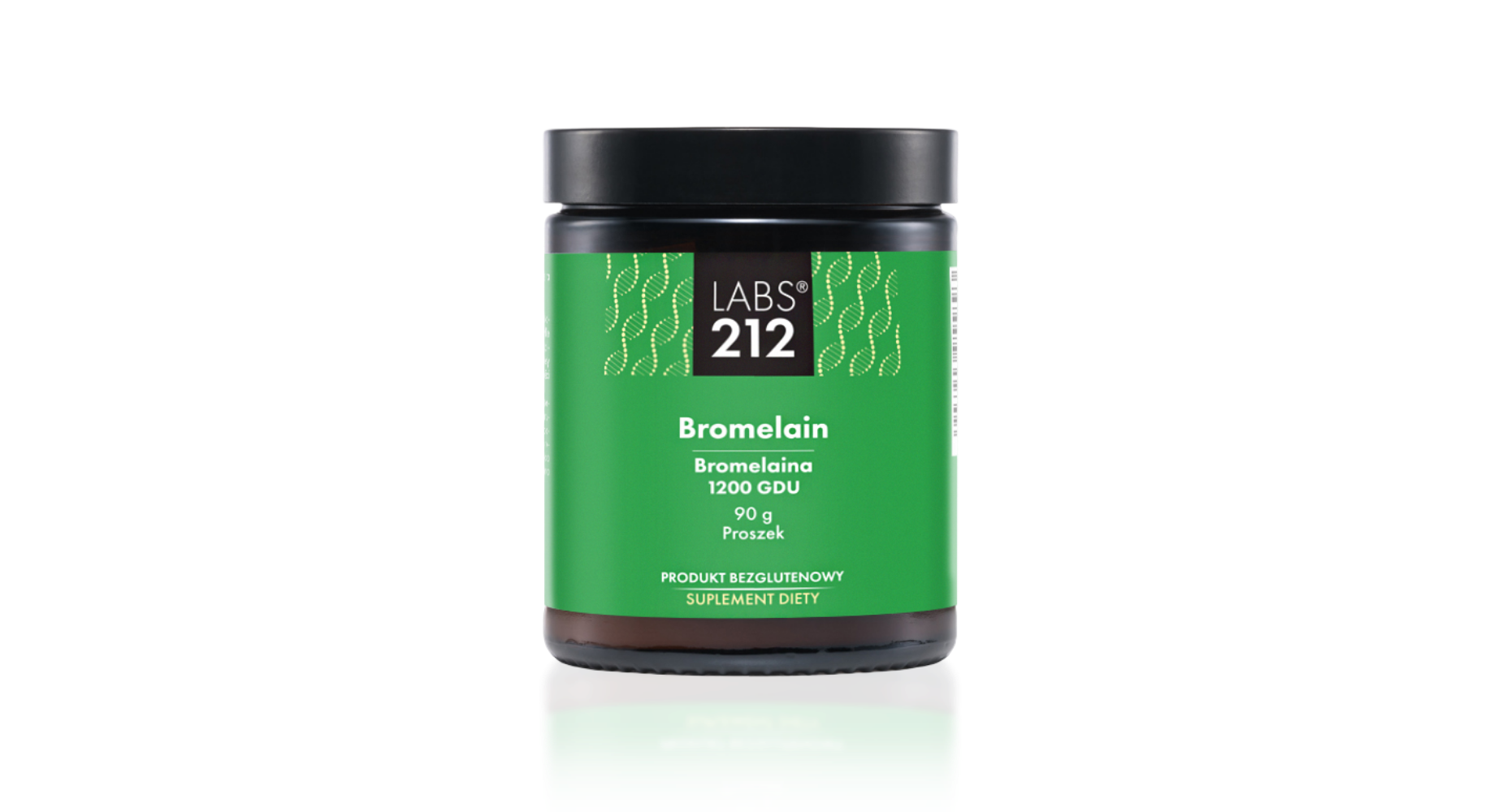
Bromelain
Support for digestion and relief of digestive discomfort. High enzymatic activity: 1200 GDUMoreDietary supplement
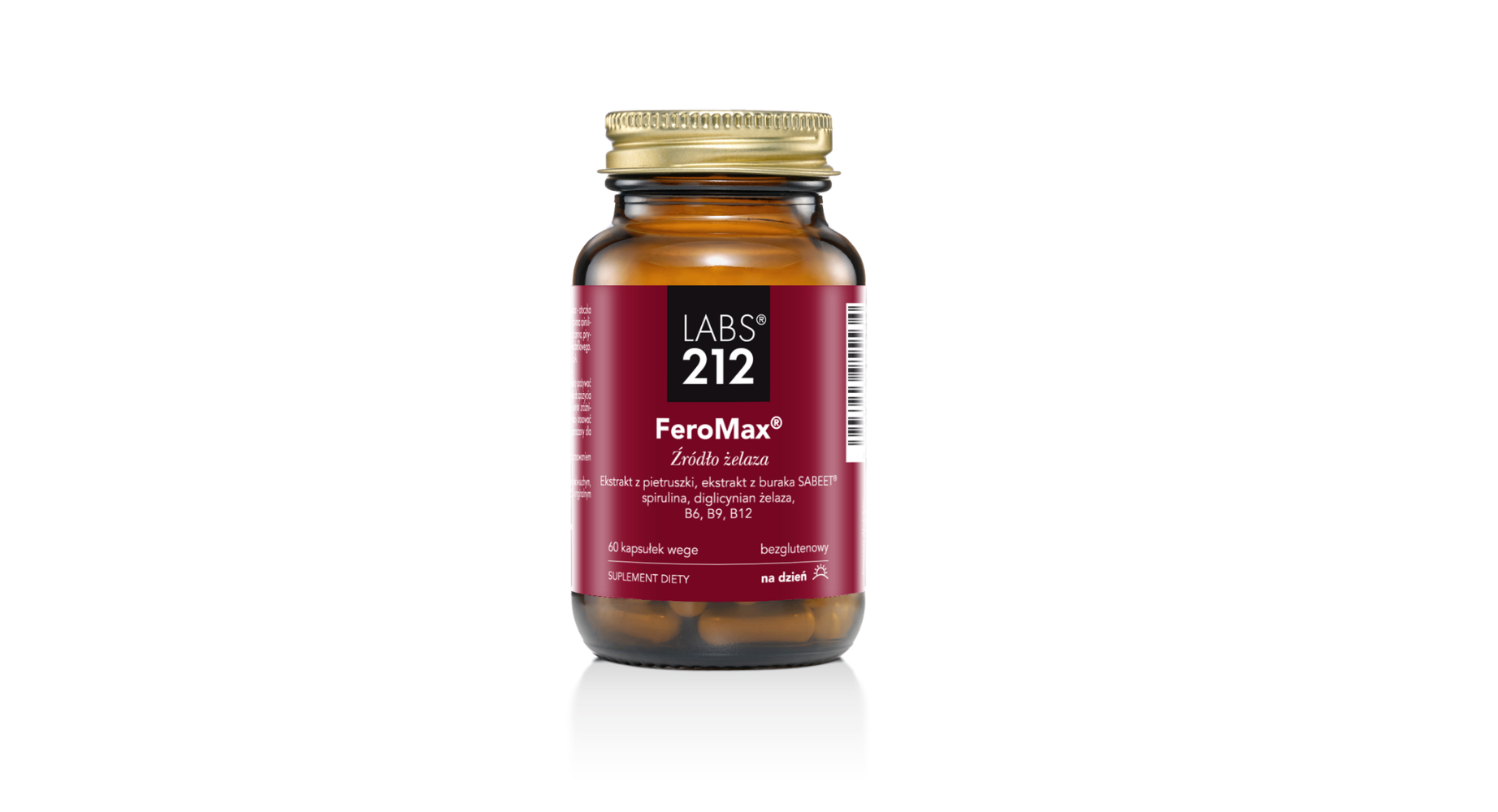
FeroMax®
Support in the proper production of red blood cells and hemoglobin. Support in anemia, iron and ferritin deficiency.More- Out of stock
Dietary supplement
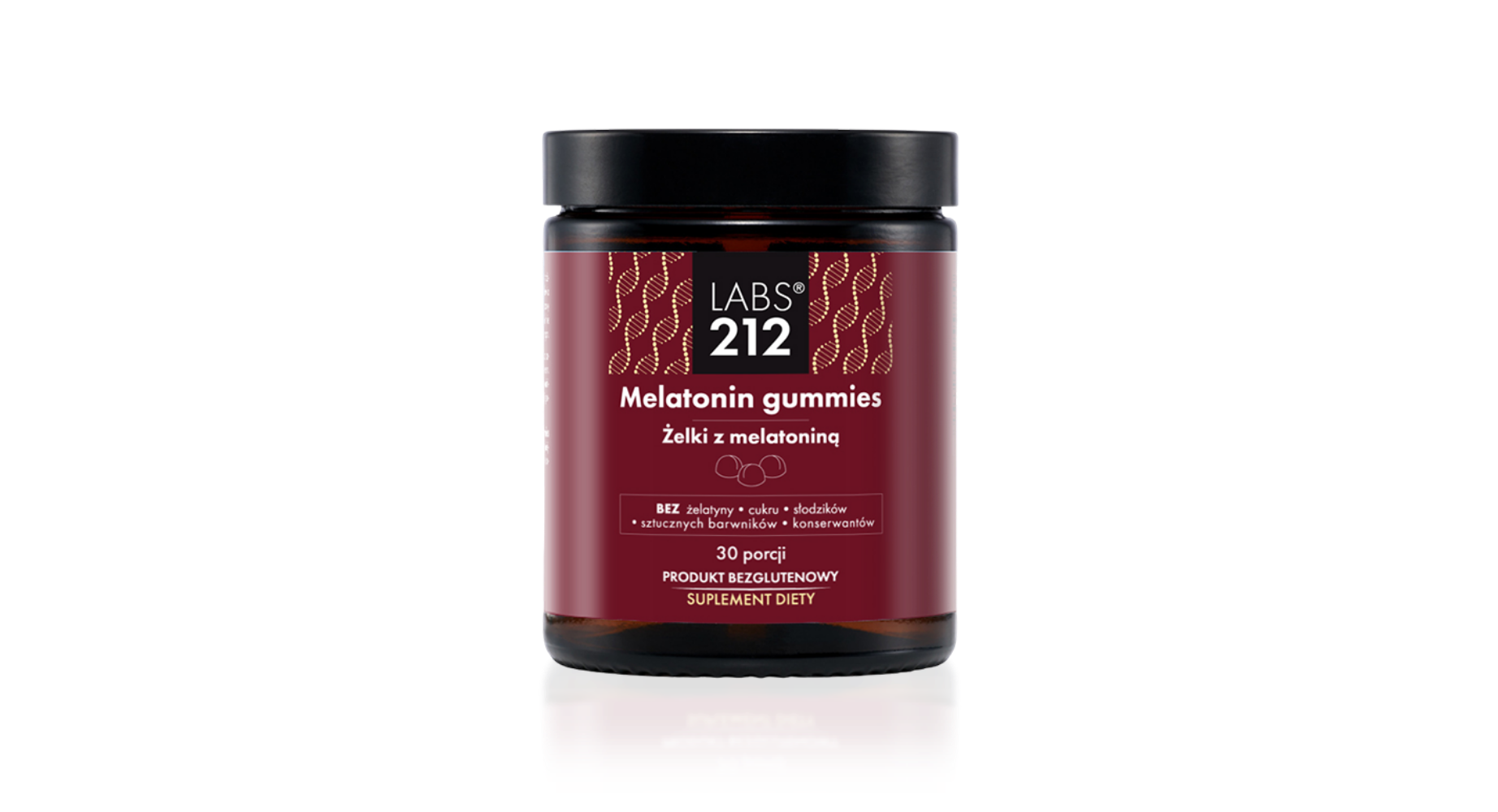
Melatonin gummies
Reduces difficulty falling asleep. Increased absorption in the oral mucosa.More69,99 zł
More Dietary supplement
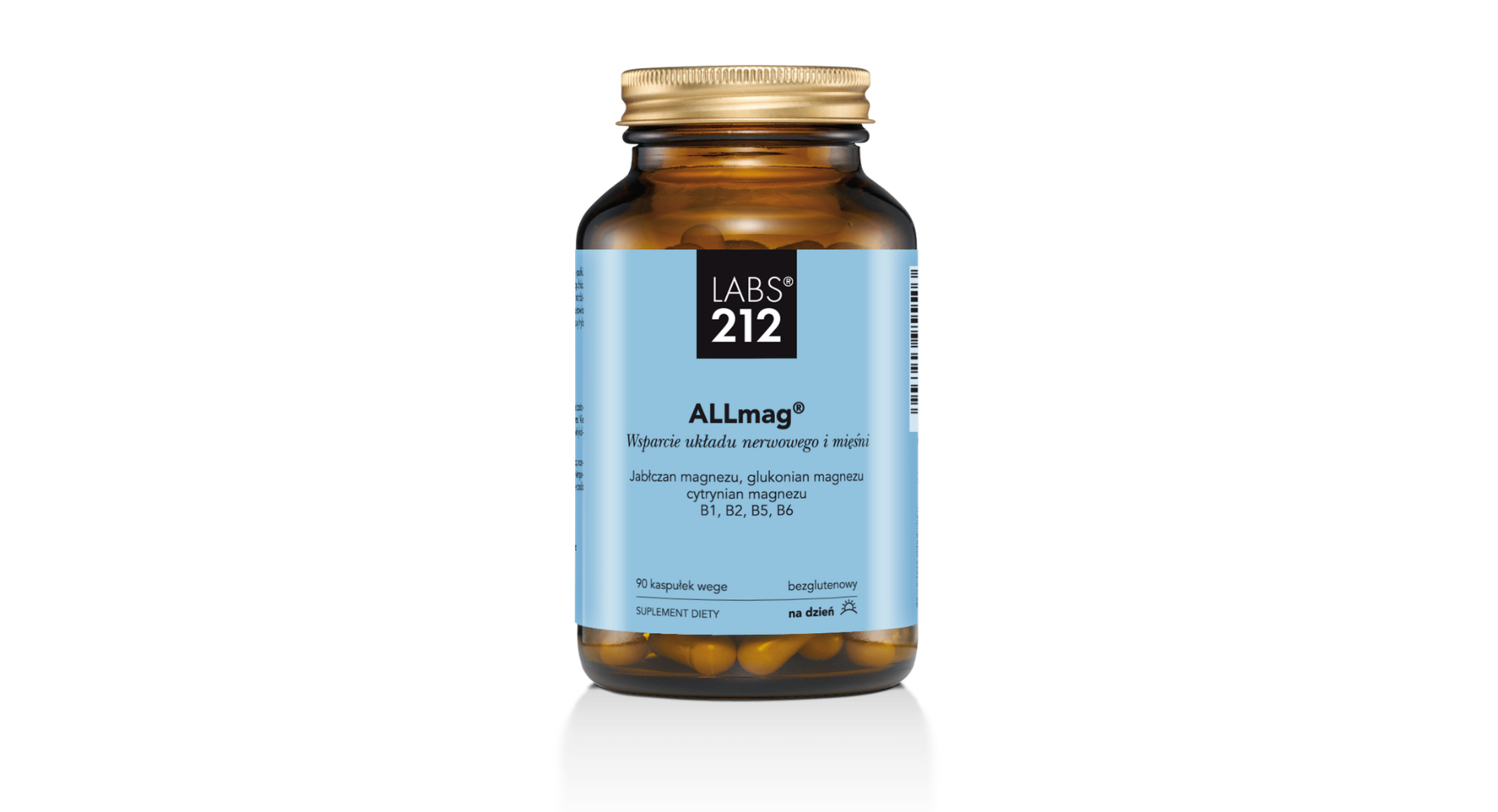
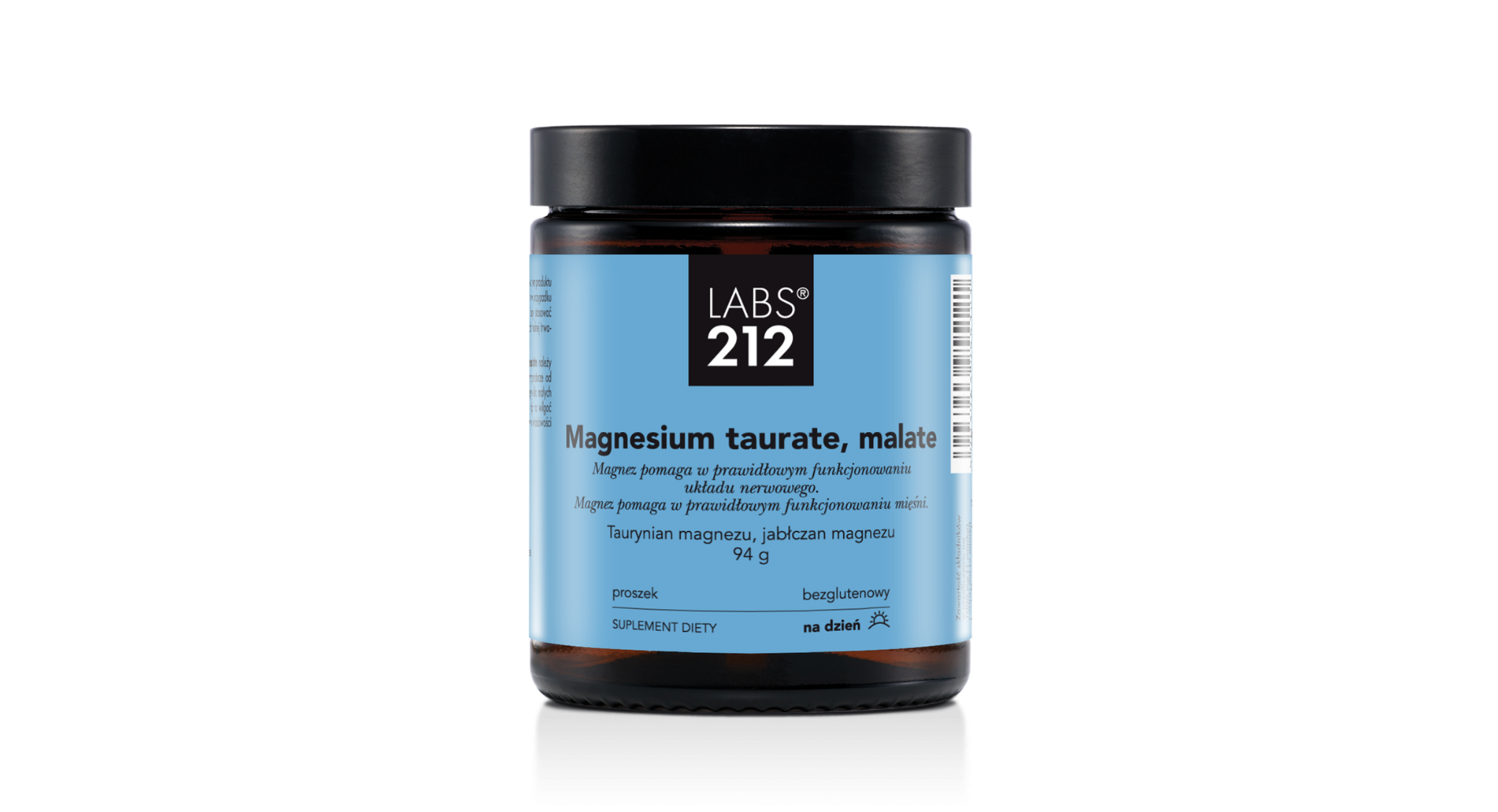
Magnesium taurate, malate
Supports the nervous system and maintains normal psychological functions. Blend of two organic magnesium forms of high absorption.MoreDietary supplement
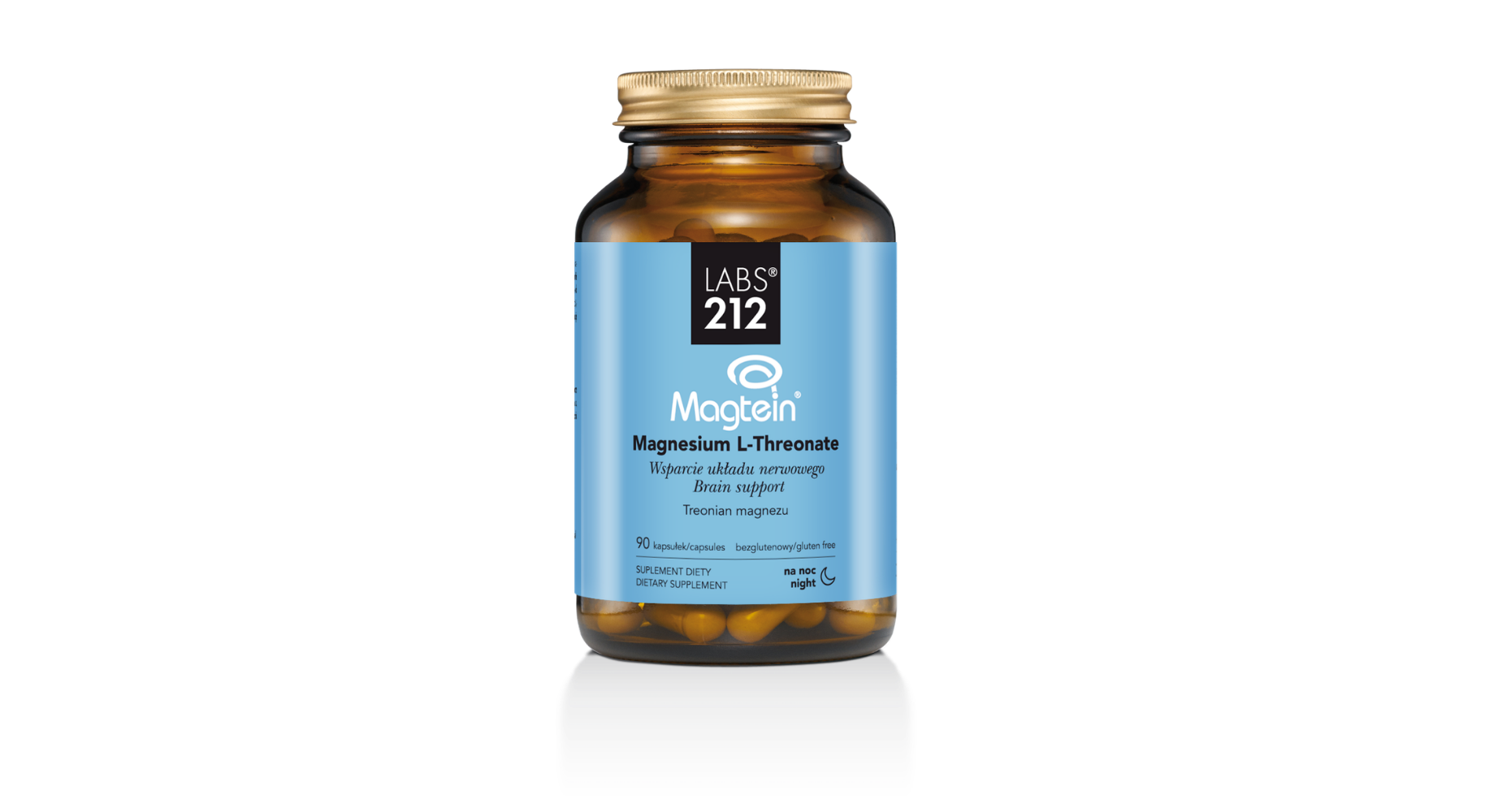
Magnesium L-Threonate Magtein®
Support for memory and concentration, increased energy levels. The only patented form of magnesium on the market that effectively crosses the blood-brain barrierMoreDietary supplement
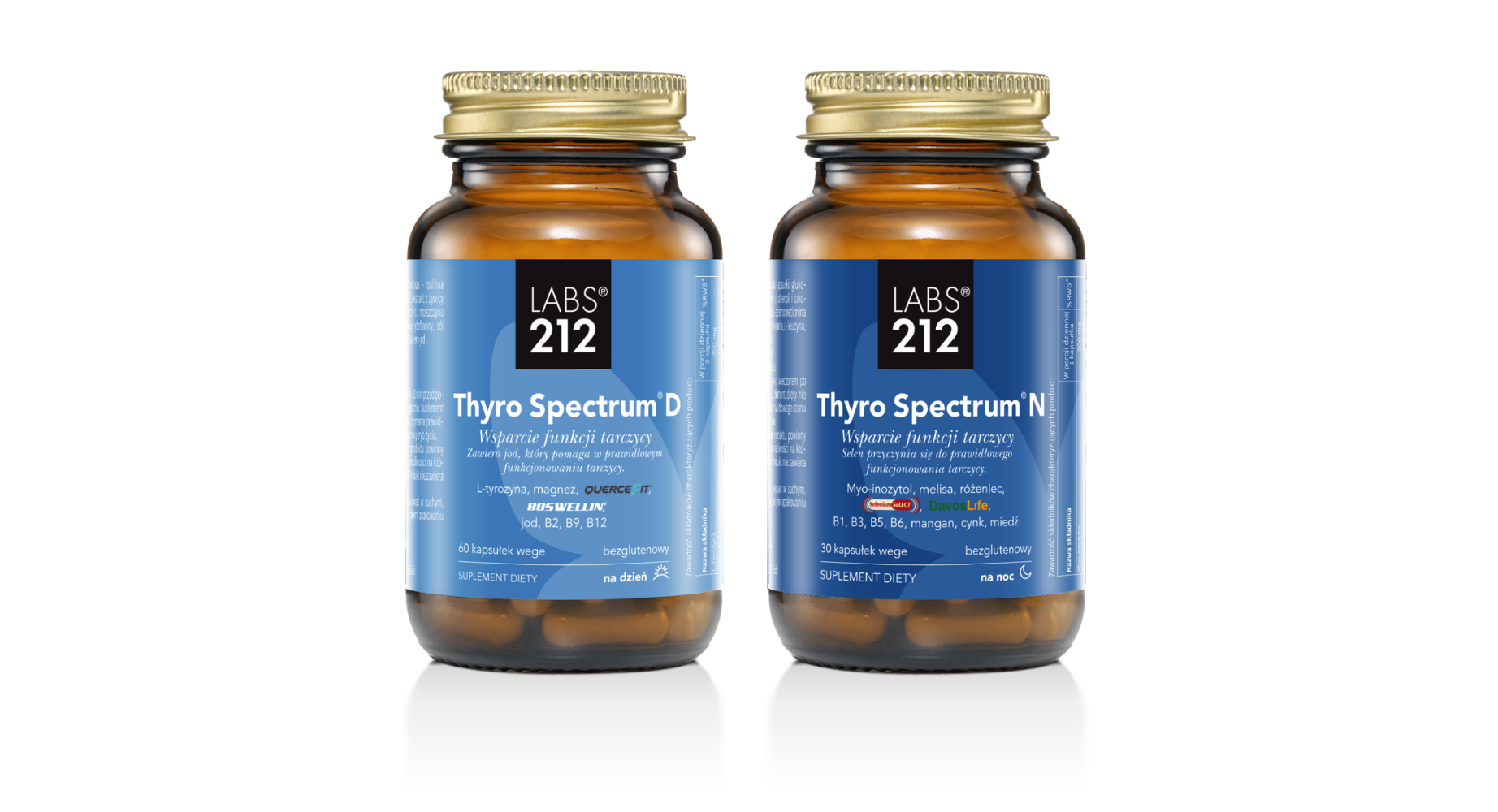
Thyro Spectrum® Day and Night Bundle
Helps maintain normal thyroid function – day and night support.MoreDietary supplement
Voucher prezentowy 500 zł
Karta podarunkowa w formie fizycznej lub elektronicznej na zakupy w naszym sklepie internetowym.MoreDietary supplement
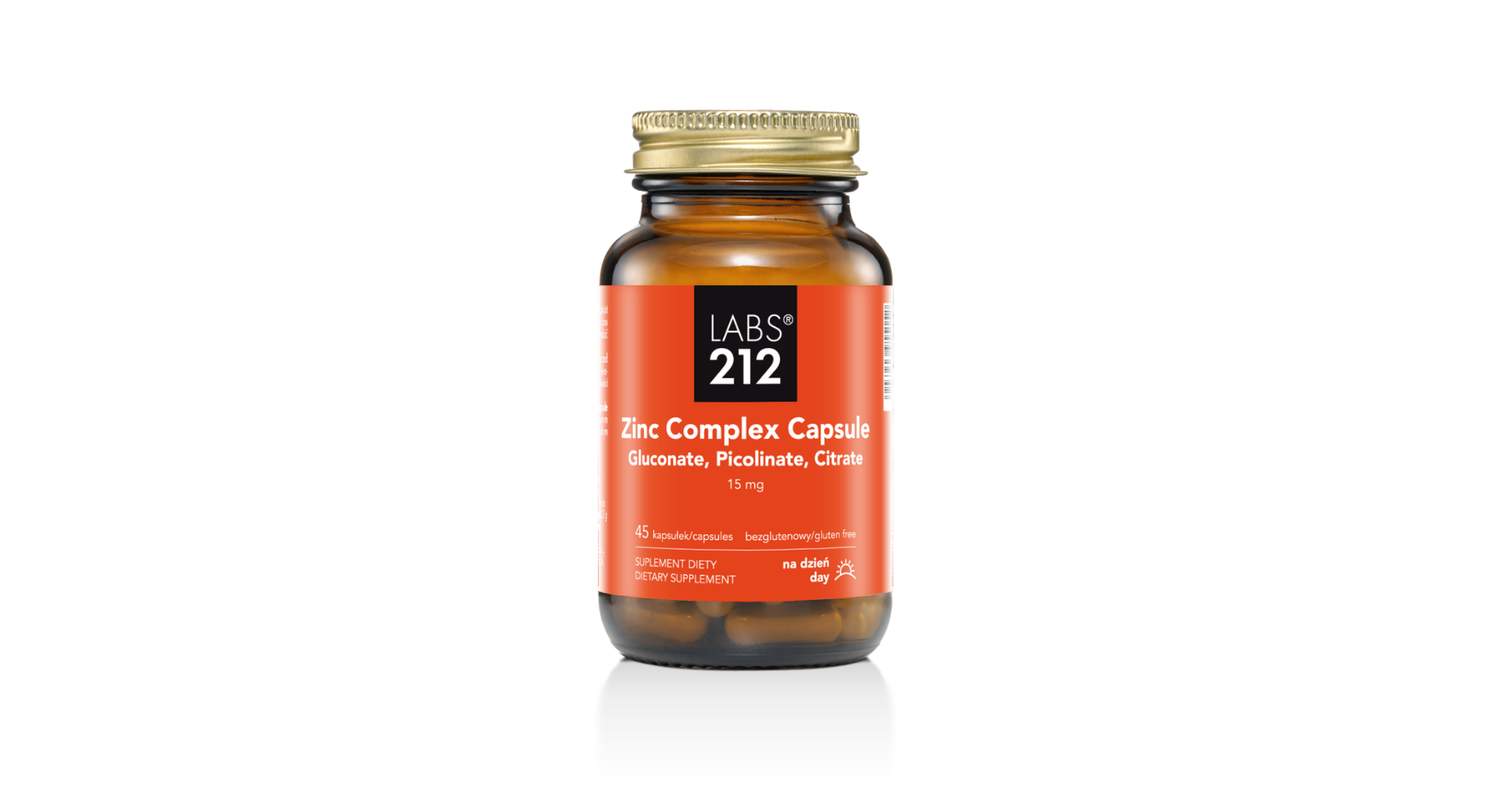
Zinc Complex Capsule
A blend of 3 organic forms of zinc: picolinate, citrate, gluconate. Helps maintain normal immune system function.MoreDietary supplement
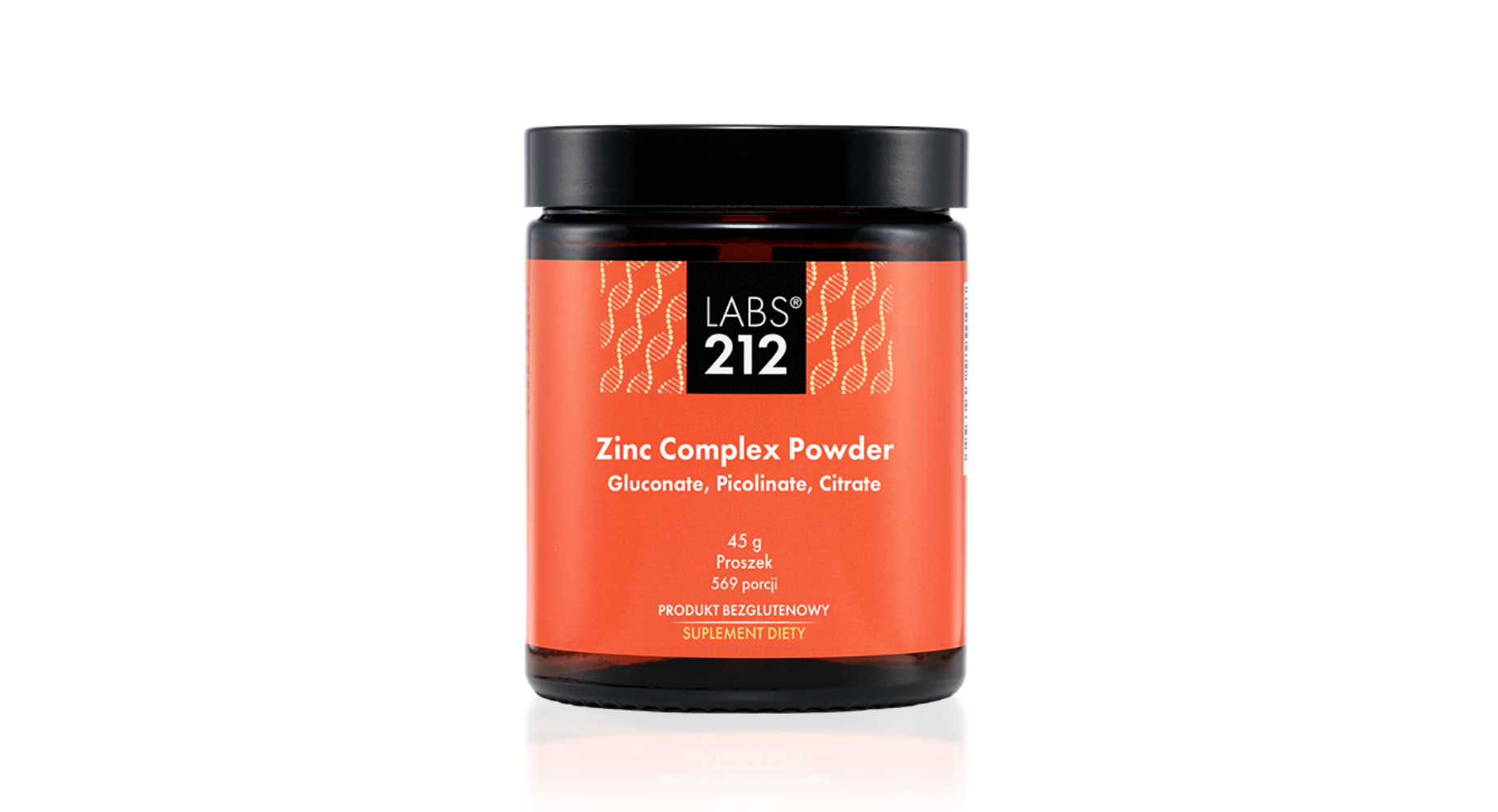
Zinc Complex Powder
A blend of 3 organic forms of zinc: picolinate, citrate, gluconate. 569 servings per container. Helps maintain normal immune system.More

LABS212® Customer Reviews
Use the up and down arrow keys to resize the metabox panel.Move upMove downToggle panel: Sync ACFML translationsKeep repeating and flexible subfields in the same order as the default language.Move upMove downToggle panel: Description with image – ProductReverse order
YesNo


