Buried and manufactured in Poland
Safe shopping guarantee. You will receive your product or your money back. See details
Dietary supplement
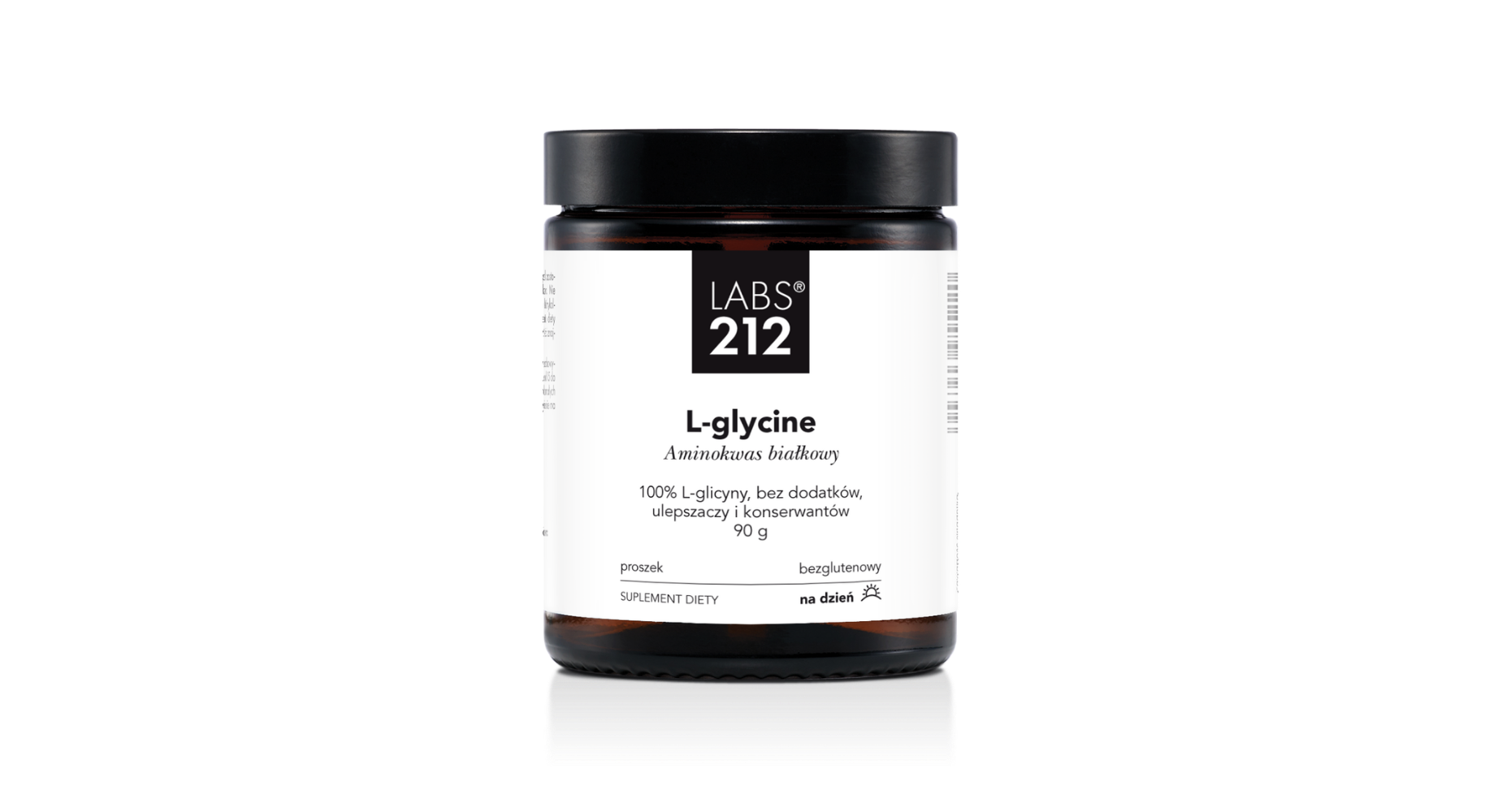
L-glycine powder
Support for sleep quality and neurotransmission
L-glycine may support sleep quality
L-glycine acts as the main inhibitory neurotransmitter in the nervous system (along with GABA)
L-glycine is involved in the production of glutathione (antioxidant)
Microbiologically tested for the presence of heavy metals and ethylene oxide
Quantity: 90 g / 30 daily servings
Should be consumed before: 07.2028
Registered in GIS: BZ/SD/POW/PL1000D/008452/2026
Production certificates: GHP, GMP, HACCP, ISO 22000:2018, ISO 9001:2015
 Buried and manufactured in Poland
44,99 zł
315 in stock
Price per 100 g: PLN 49.99

 Free delivery within Poland from 250 zł
Previous lowest price was 44,99 zł.
Amino acid L-glycine. No additives, enhancers, or preservatives.
PREMIERA
Dietary supplement
L-glycine powder
Support for sleep quality and neurotransmission
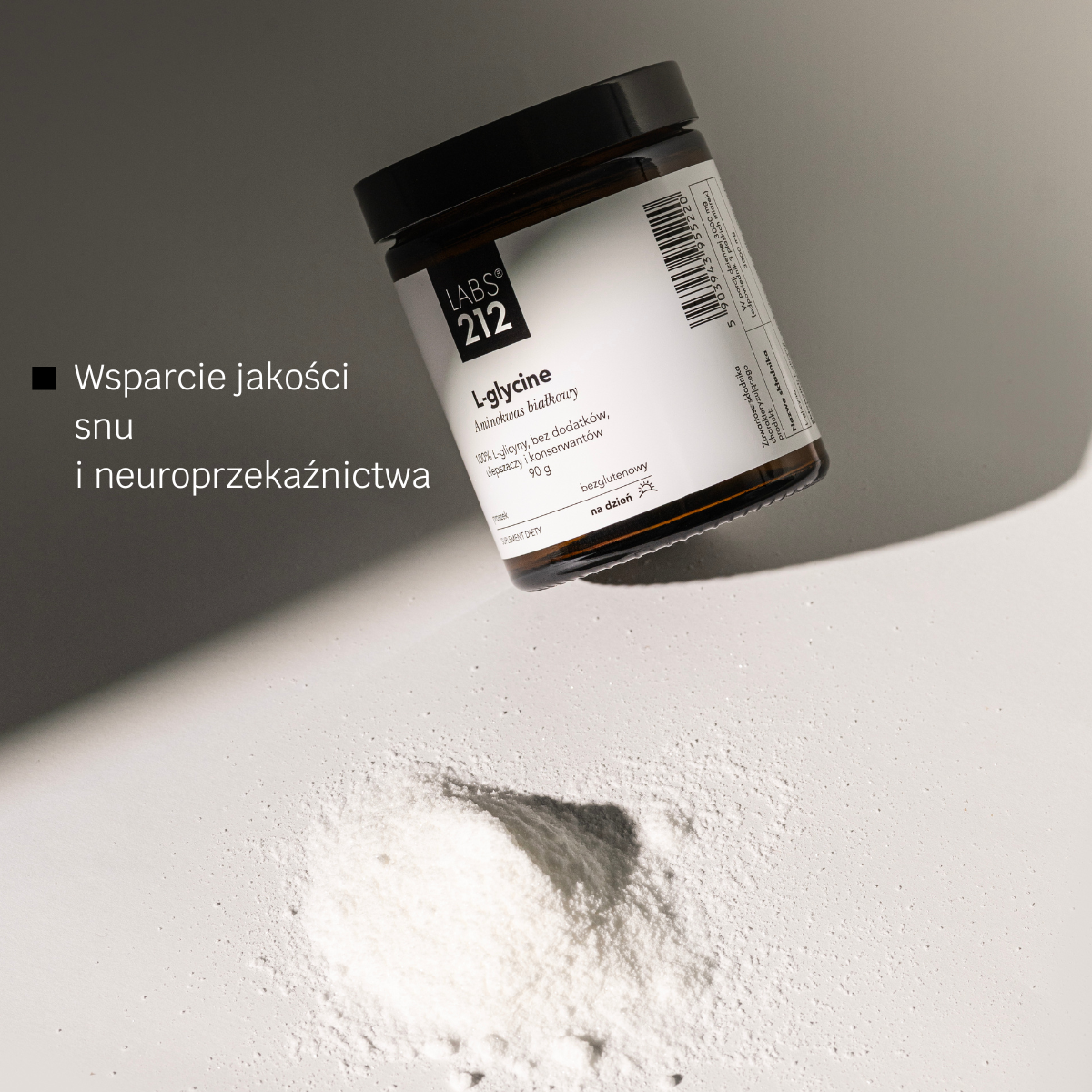
L-glycine may support sleep quality
L-glycine acts as the main inhibitory neurotransmitter in the nervous system (along with GABA)
L-glycine is involved in the production of glutathione (antioxidant)
Microbiologically tested for the presence of heavy metals and ethylene oxide
Quantity: 90 g / 30 daily servings
Should be consumed before: 07.2028
Registered in GIS: BZ/SD/POW/PL1000D/008452/2026
Production certificates: GHP, GMP, HACCP, ISO 22000:2018, ISO 9001:2015
- Buried and manufactured in Poland
44,99 zł
315 in stock
Previous lowest price was 44,99 zł.
Price per 100 g: PLN 49.99
Free delivery within Poland from 250 zł
Safe shopping guarantee. You will receive your product or your money back. See details
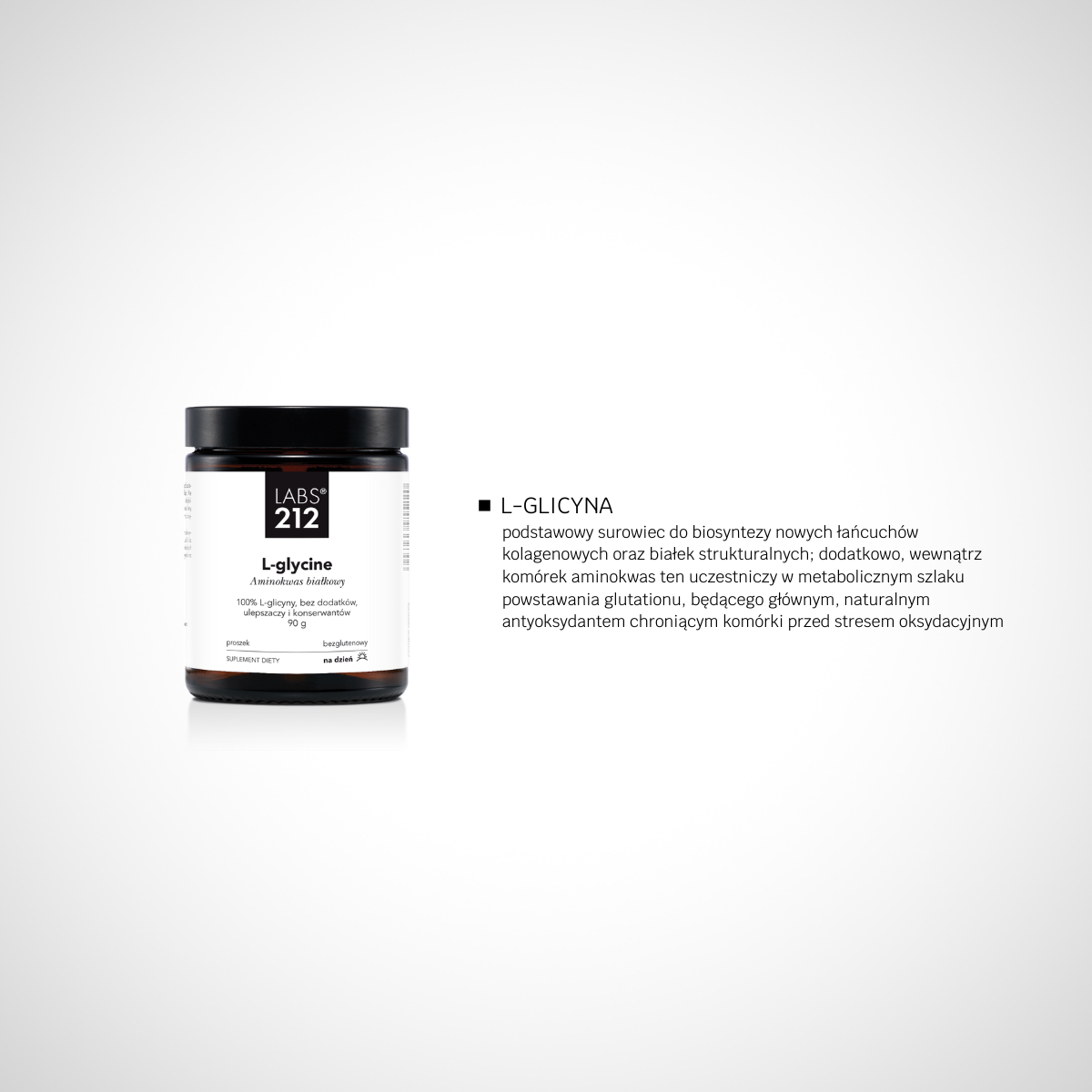
The L-glycine dietary supplement is a powder preparation containing 100% pure glycine amino acid, without additives, enhancers and preservatives .
L-glycine:
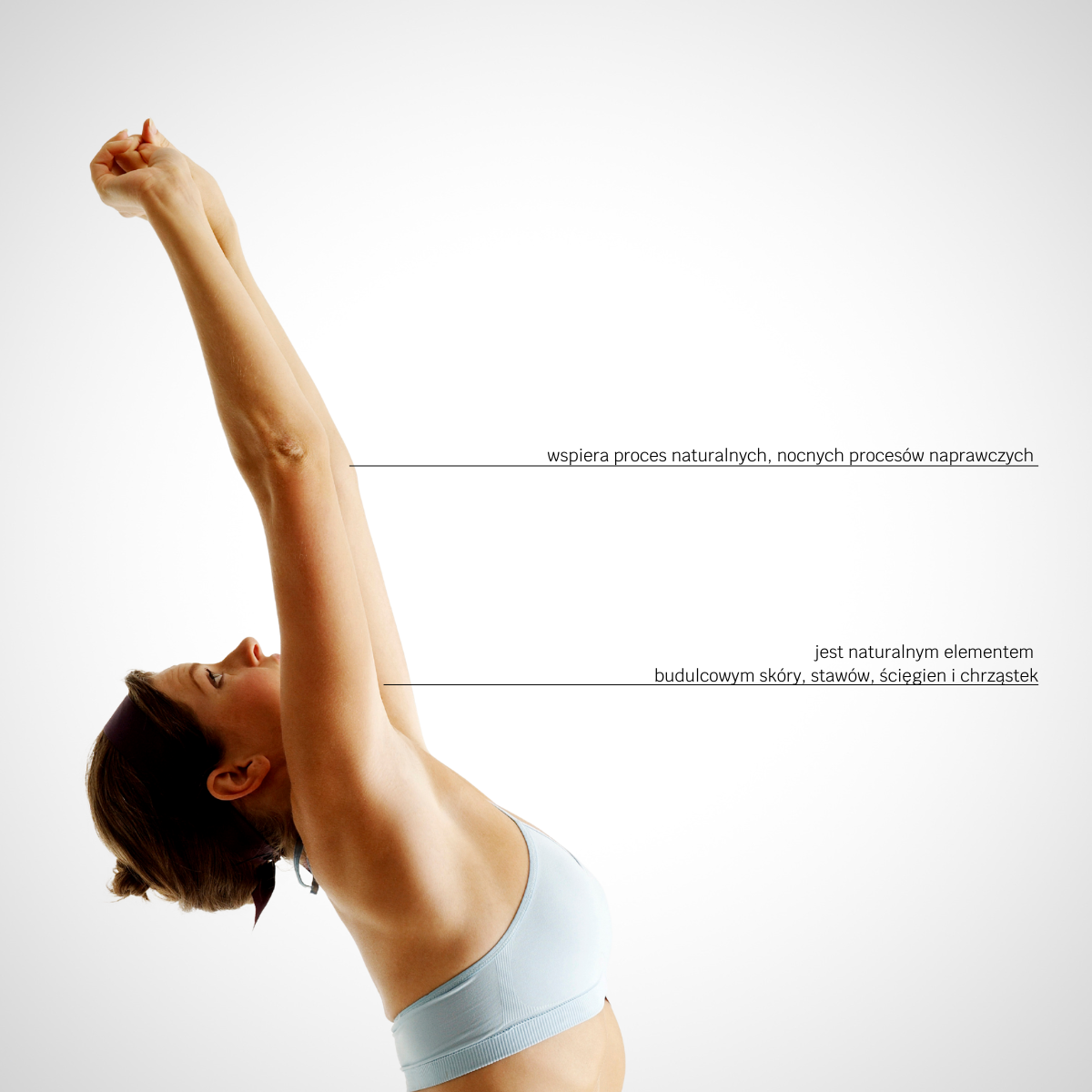
- L-glycine constitutes as much as one third (33%) of all amino acids that build the structure of collagen ,
- L-glycine is a natural building block of skin, joints, tendons and cartilage ,
- L-glycine in the body is an essential element for the production of glutathione, the main cellular antioxidant,
- L-glycine is used by the body as a substrate for the natural production of creatine ,
- L-glycine occurs naturally in the structures of the brain and nervous system,
- L-glycine is involved in the formation of heme, the component responsible for the transport of oxygen in red blood cells ,
- L-glycine is one of the basic amino acids from which the human body builds its own proteins .
| INGREDIENT NAME | In a daily dose 3 scoops |
| L-glycine | 3000 mg |
Ingredients: L-glycine.
Gluten-free
Net weight: 90 g.
Portion recommended for consumption during the day : 3000 mg (equivalent to 3 scoops included in the package).
Recommended use : Depending on your needs, you can consume approximately 30-60 minutes before bed or after training. It can also be used throughout the day.
L-glycine can be dissolved in drinks, cocktails and water.
Do not exceed the recommended daily dose. To maintain good health, a varied diet and a healthy lifestyle are recommended. Dietary supplements should not be used as a substitute for a varied diet. This product is recommended for adults.
Warning: Pregnant and breastfeeding women should consult a doctor before using the product.
Organoleptic properties: light powder, very soluble in water, with a delicate sweetish aftertaste.,
Storage: L-glycine dietary supplement should be stored in a place protected from sunlight, at a temperature of 15-25 ° C, in the original packaging, out of reach of small children.
Production batch number/ Best before end – information can be found on the individual label (left side of the label).
Batch tests performed:
- microbiology, presence of: listeria, staphylococcus, escherichia coli and coliforms, salmonella , mold, yeast, total number of microorganisms,
- heavy metals (arsenic, cadmium, lead, mercury),
- ethylene oxide and 2-chloroethanol,
- gluten content.
The tests were carried out in the independent, accredited GBA Polska Laboratory – Accreditation Certificate No. AB 1095.


Glycine (Gly, G) is the simplest of the 20 standard protein amino acids, with the chemical formula H₂N–CH₂–COOH.
Glycine, instead of a side chain (R), has only a hydrogen atom, which makes it the smallest amino acid, with a molecular weight of approximately 75 g/mol.
Glycine is a conditionally essential amino acid. The body synthesizes it endogenously, but in certain conditions (intensive growth, wound healing, liver disease) the demand may exceed biosynthesis.
Glycine is a glucogenic amino acid and can be converted into glucose via pyruvate.
The main pathways of glycine synthesis in the human body:
- From serine: the enzyme serine hydroxymethyltransferase (SHMT), with the cofactor tetrahydrofolate (THF). This is the main pathway.
Serine + THF ⇌ Glycine + 5,10-methyleneTHF - From choline: via betaine and dimethylglycine.
- From threonine: via threonine dehydrogenase (less important pathway in humans).
Glycine synthesis occurs mainly in the liver and kidneys .
Glycine is an inhibitory neurotransmitter in the nervous system.
Glycine is an NMDA coagonist, the glycine site on the NMDA receptor (NR1 subunit), necessary alongside glutamate for channel opening.
L-glycine, an amino acid and neurotransmitter in the nervous system.
Glycine is a neurotransmitter with a dual role, which makes it quite unusual among amino acids.
In the spinal cord and brainstem, glycine acts as the primary inhibitory neurotransmitter (alongside GABA, which predominates in the brain). It binds to specific glycine receptors (GlyRs)—ligand-gated chloride channels. Upon connection, chloride ions flow into the neuron, hyperpolarizing the cell membrane and inhibiting impulse conduction.
This function is crucial for, among others:
- motor control and spinal reflexes,
- transmitting pain signals,
- regulation of breathing.
An interesting proof of this mechanism is strychnine, which works by blocking glycine receptors, hence convulsions and excessive muscle excitability in case of poisoning.
In the brain (cortex, hippocampus), glycine also serves as an excitatory co-agonist. It is necessary (along with glutamate) for the activation of NMDA receptors. Without glycine (or D-serine, which may perform a similar function), the NMDA receptor will not open, even in the presence of glutamate.
NMDA receptors are crucial for synaptic plasticity, learning, and memory, which is why glycine is being studied in the context of schizophrenia (deficiency in NMDA signaling) and potential support for cognitive function.
Glycine is one of the few compounds that acts both as an inhibitory neurotransmitter (via GlyR receptors) and as an excitatory modulator (via NMDA), depending on the location in the nervous system.
Glycine influences sleep through several distinct mechanisms. This process has been studied and is known thanks to the work of Japanese teams, including Yamadera and Kawai.
A drop in body temperature is a natural signal that initiates sleep . Glycine appears to have the ability to “cheat” this mechanism, accelerating peripheral vasodilation (in the hands and feet) and heat release.
Glycine acts on NMDA receptors in the hypothalamus . One study showed that glycine’s hypnotic and hypothermic effects are mediated by NMDA receptors in the suprachiasmatic nucleus. Another study also suggests an effect on orexin neurons (responsible for wakefulness), in which glycine shortened the average duration of wakefulness.
https://pmc.ncbi.nlm.nih.gov/articles/PMC3174993/
A key study conducted by Yamadera in 2007 on volunteers with unsatisfactory sleep: the administration of 3 g of glycine before bedtime was tested for its effect on subjective sleep quality, measured, among others, by the St Mary’s Hospital questionnaire.
Effects noted in studies:
- shortening the time it takes to fall asleep (sleep latency),
- improvement of subjective sleep quality,
- less sleepiness during the day,
- better mental clarity and less fatigue upon waking,
- shortening the sleep onset phase and slow-wave sleep without changing the overall sleep architecture in polysomnographic recordings.
Glycine plays a fundamental role in collagen synthesis.
Collagen has a unique triple-helix structure, composed of three polypeptide chains twisted around each other. This structure requires a repeating motif:
Gly-XY (where X and Y are most often proline and hydroxyproline).
Glycine must be present at exactly every third position in the chain. Glycine is the smallest amino acid, the only one that fits into the tight interior of the triple helix, where the three chains abut closely together. Any other, larger amino acid at this position would disrupt the tight coiling of the helix.
This is why collagen contains as much as about 33% glycine in its composition, much more than is found in the average protein.
The structure of collagen is very strict, even single mutations replacing glycine with another amino acid in the collagen chain can lead to serious connective tissue diseases, e.g. some forms of osteogenesis imperfecta or Ehlers-Danlos syndrome.
Some studies suggest that during intense collagen synthesis (e.g., wound healing, training, aging), the demand for glycine may exceed the body’s biosynthetic capacity; glycine is sometimes referred to as a “conditionally essential” amino acid in such situations.
Studies with glycine supplementation (often combined with vitamin C, a cofactor of proline hydroxylation) have shown the potential to increase markers of collagen synthesis, particularly in the context of tendon and ligament regeneration in athletes.
Glycine is one of the three amino acids that build glutathione, and it is this amino acid that is the “bottleneck” limiting its synthesis.
Glutathione (GSH) is a tripeptide consisting of three amino acids linked by peptide bonds:
Glutamate – Cysteine - Glycine (γ-Glu-Cys-Gly)
Glycine occupies the C-terminal position in this molecule.
Glutathione synthesis occurs in two enzymatic steps:
Glutamate + cysteine → γ-glutamylcysteine (enzyme: γ-glutamylcysteine synthetase, GCL)
γ-glutamylcysteine + glycine → glutathione (enzyme: glutathione synthetase, GS)
Glycine is added in the second and final step. Cysteine availability is considered the primary factor limiting GSH synthesis (because cysteine is less abundant in the diet and less stable), and a growing body of research indicates that in certain groups (older adults, individuals with protein malnutrition, and diabetes), glycine deficiency significantly limits glutathione production.
Glutathione is the main intracellular antioxidant and is involved in:
- neutralization of free radicals and peroxides,
- detoxification of xenobiotics in the liver (conjugation in the cytochrome P450 cycle),
- regeneration of other antioxidants (e.g. vitamins C and E),
- maintaining redox balance in the cell.
Glycine has a well-documented role in hepatic metabolism and detoxification.
The liver produces bile acids from cholesterol and then combines them with glycine or taurine before they are secreted into bile, which is crucial for fat digestion, cholesterol regulation and the elimination of fat-soluble substances.
This process is accomplished by a single enzyme: bile acid-CoA:amino acid N-acyltransferase (BAT), which can combine bile acids with both glycine and taurine. In humans, the vast majority of bile acids occur conjugated with glycine (glycine/taurine ratios are usually around 3:1), making glycine the primary “partner” in this process.
Glycine conjugation (Phase II detoxification), independent of bile acids.
The enzyme glycine N-acyltransferase (GLYAT) conjugates glycine with various substances, converting them into forms that are more easily excreted. The glycine conjugation pathway is a two-step enzymatic reaction responsible for the metabolism/detoxification of natural substrates derived from food (e.g., salicylates, polyphenols, medium-chain fatty acids), xenobiotics (e.g., benzoate), and metabolites from organic-acid disorders.
For example, benzoic acid is conjugated with glycine to form hippuric acid and excreted in urine. This is one of the oldest known detoxification pathways in pharmacology.
Glycine is one of the three amino acids that build glutathione, which in the liver:
- neutralizes reactive oxygen species produced during metabolism,
- conjugates toxins in Phase II of detoxification,
- protects hepatocytes against oxidative damage.

Compose your treatment with LABS212®
Discover other LABS212® products

Dietary supplement
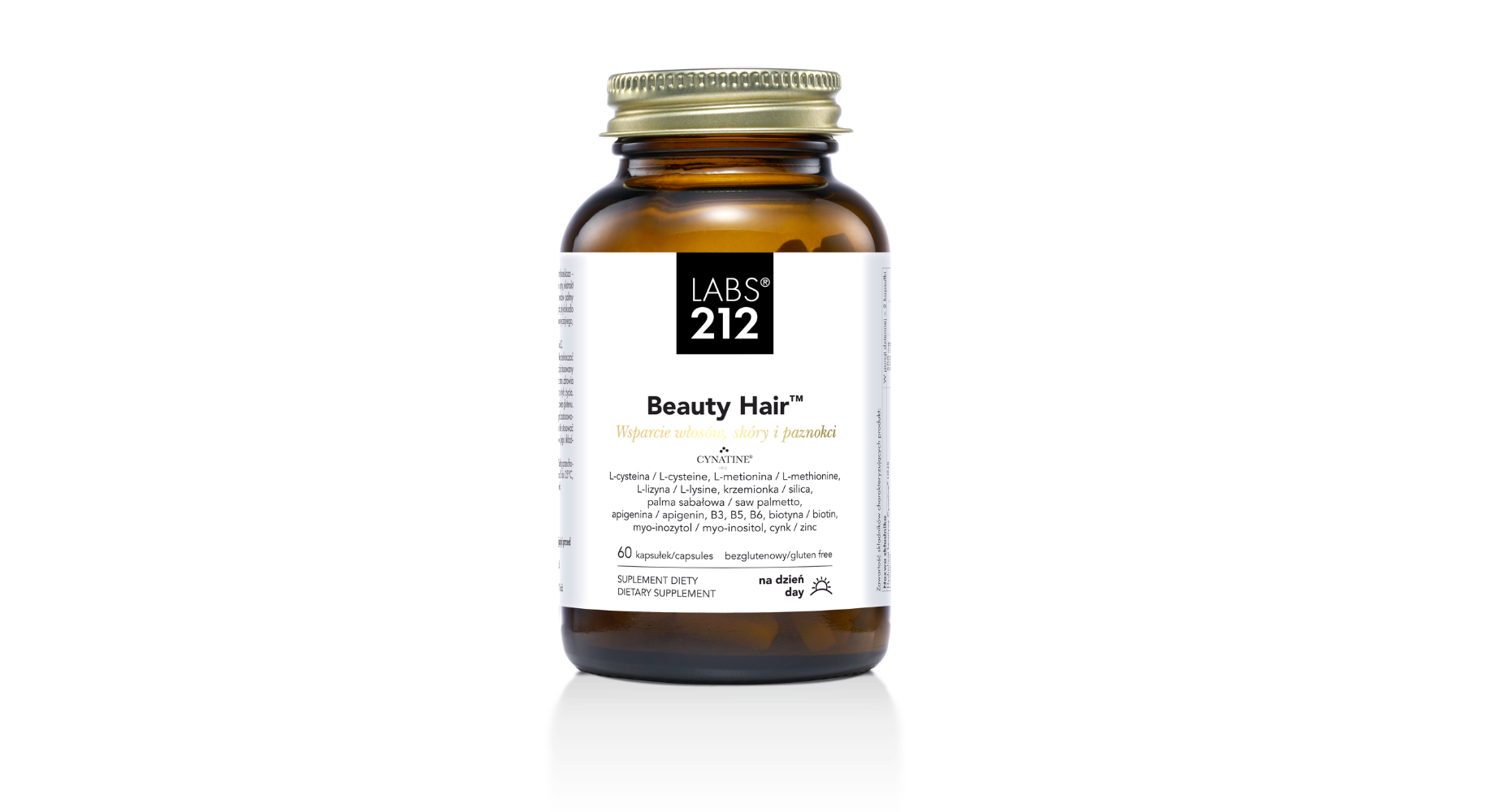
Beauty Hair™
Comprehensive support for hair, skin, and nails. Keratin Cynatine®, L-cysteine, L-methionine, bamboo shoot extract, sabal palm extract, celery seed extract, B3, B5, B6, biotin, my-inositol, zinc.MoreDietary supplement
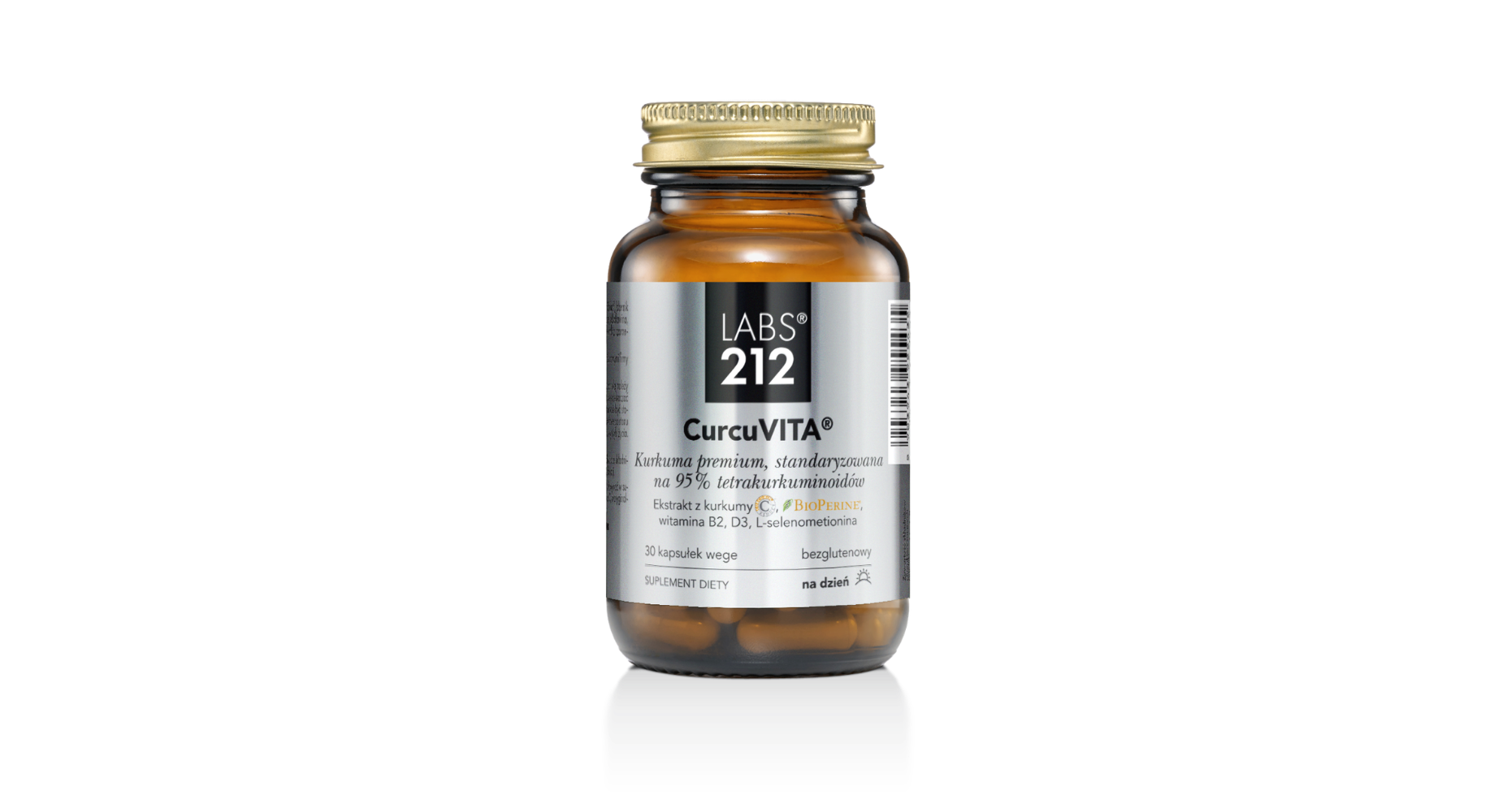
CurcuVITA®
A new generation turmeric extract C3 Reduct®. Standardized to contain 95% tetrahydrocurcuminoids.MoreDietary supplement
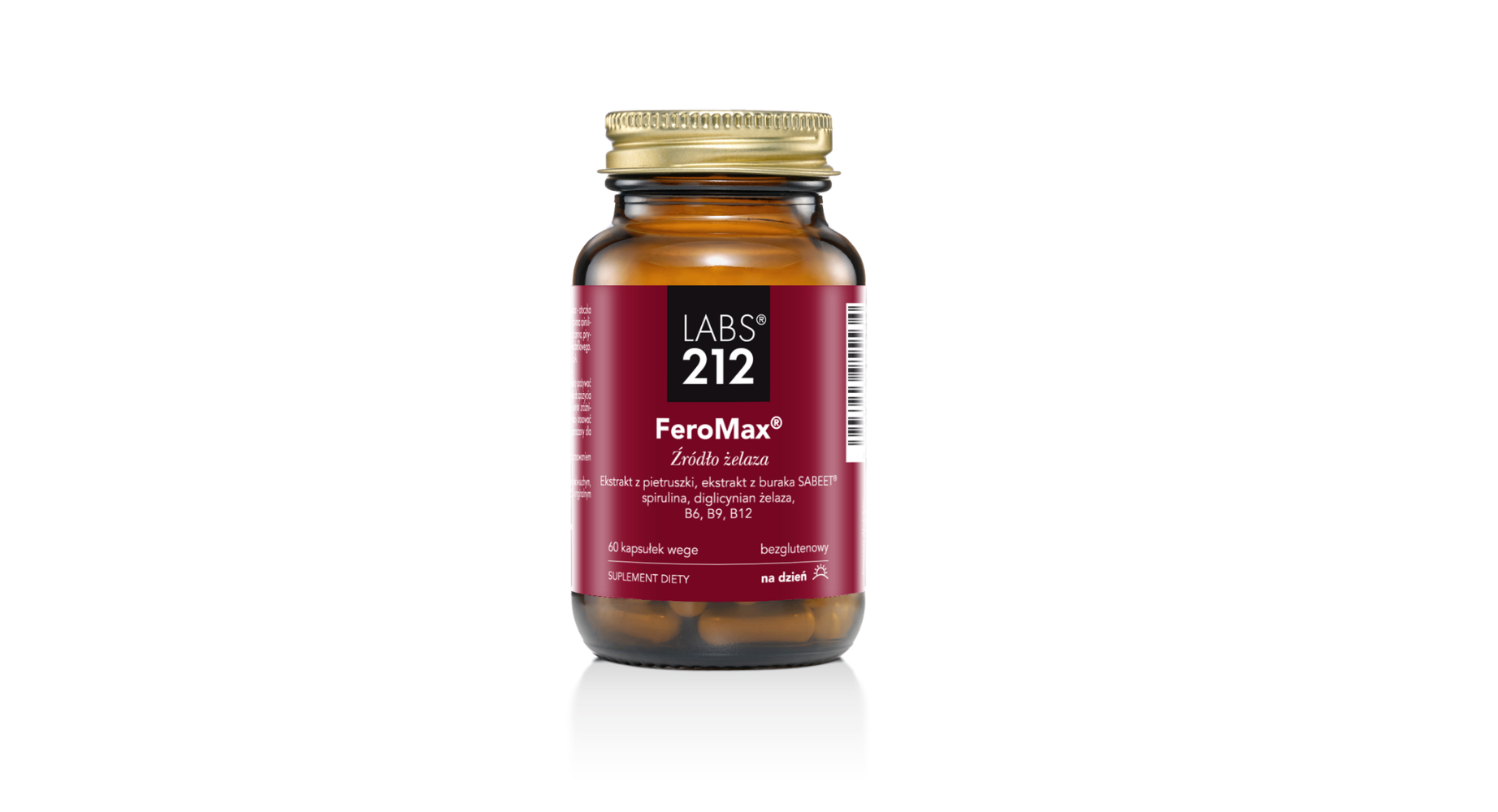
FeroMax®
Support in the proper production of red blood cells and hemoglobin. Support in anemia, iron and ferritin deficiency.MoreDietary supplement
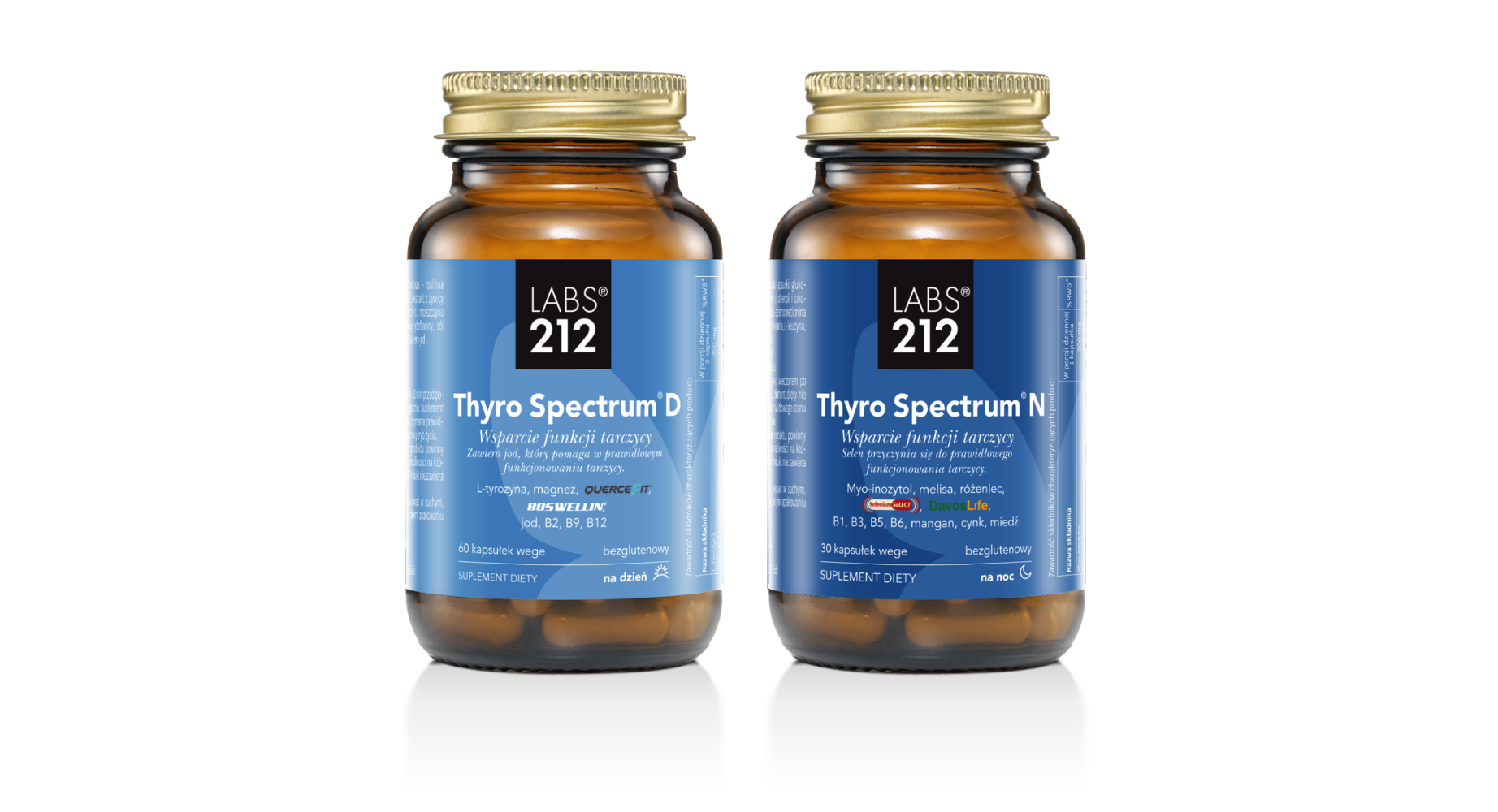
Thyro Spectrum® Day and Night Bundle
Helps maintain normal thyroid function – day and night support.MoreDietary supplement
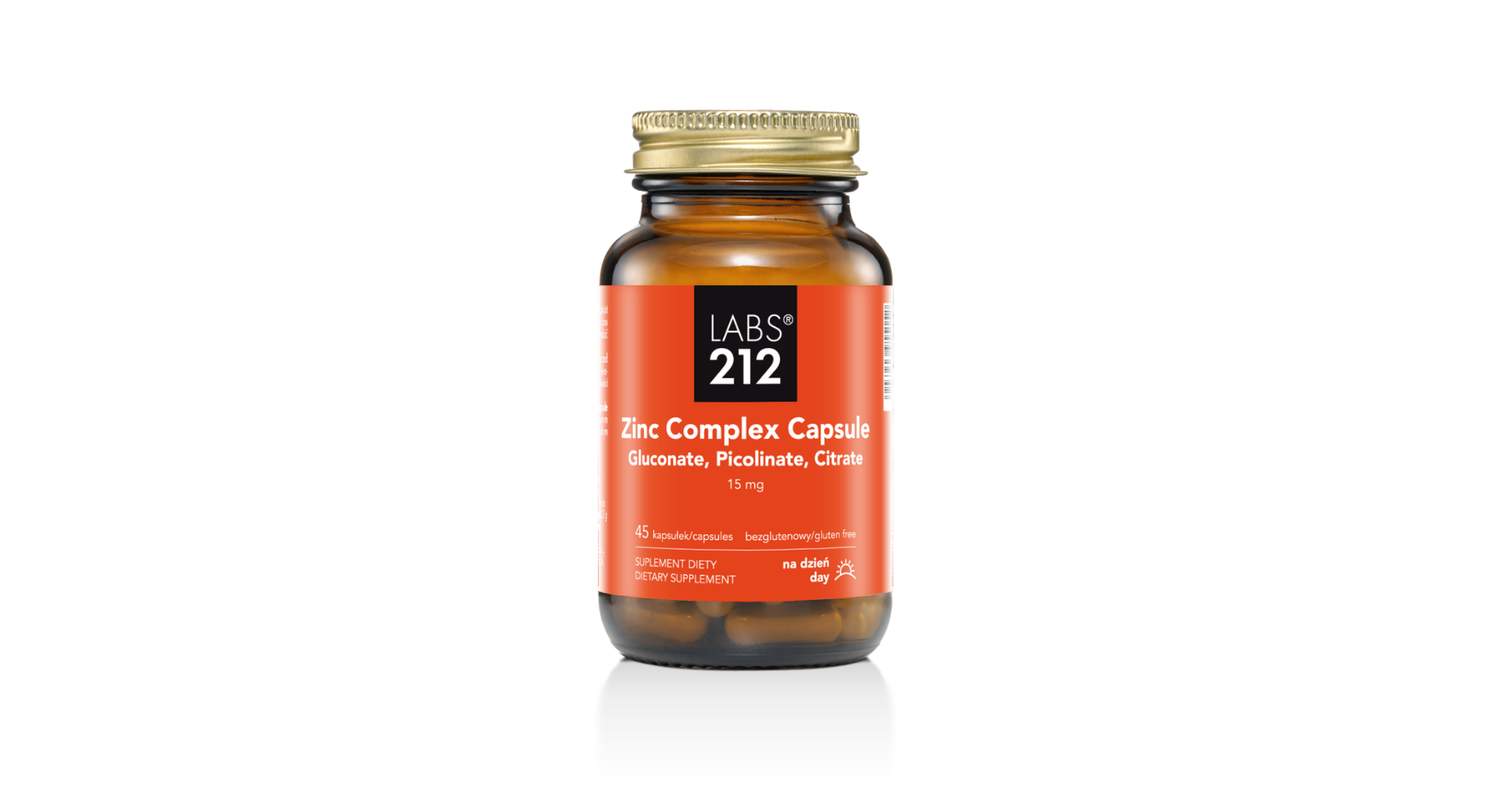
Zinc Complex Capsule
A blend of 3 organic forms of zinc: picolinate, citrate, gluconate. Helps maintain normal immune system function.MoreDietary supplement
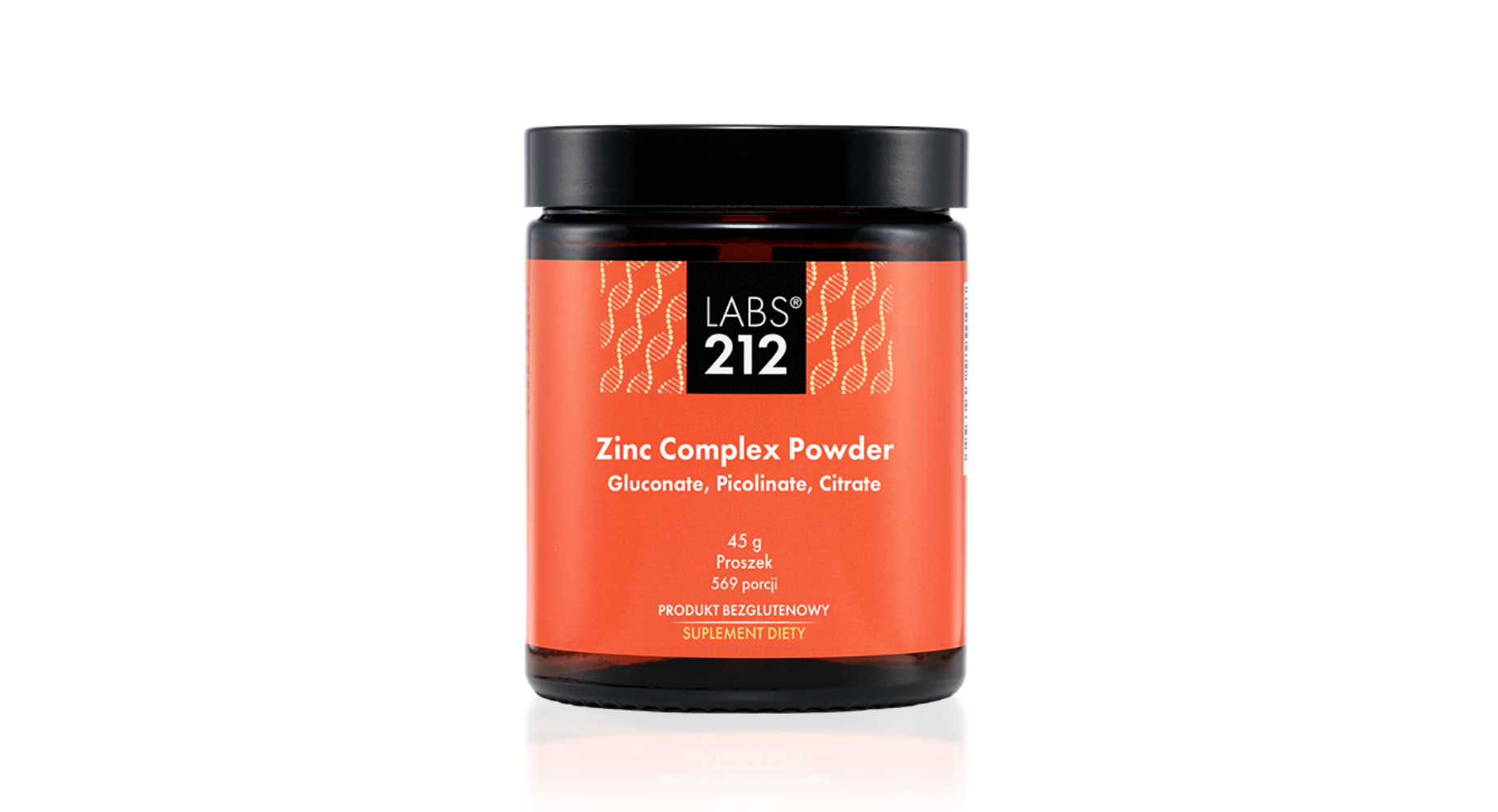
Zinc Complex Powder
A blend of 3 organic forms of zinc: picolinate, citrate, gluconate. 569 servings per container. Helps maintain normal immune system.More