


Safe shopping guarantee. You will receive your product or your money back. See details
Dietary supplement
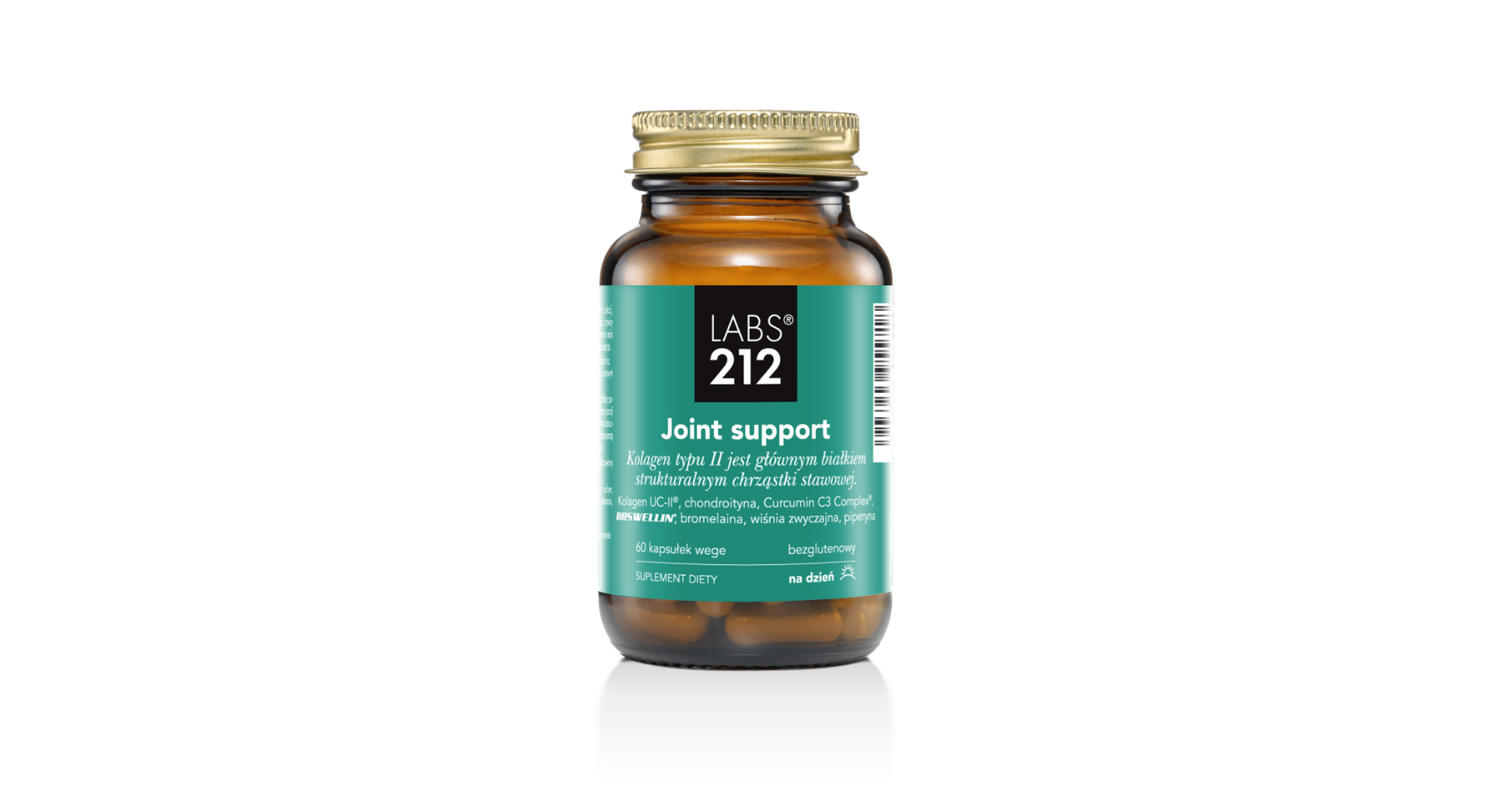
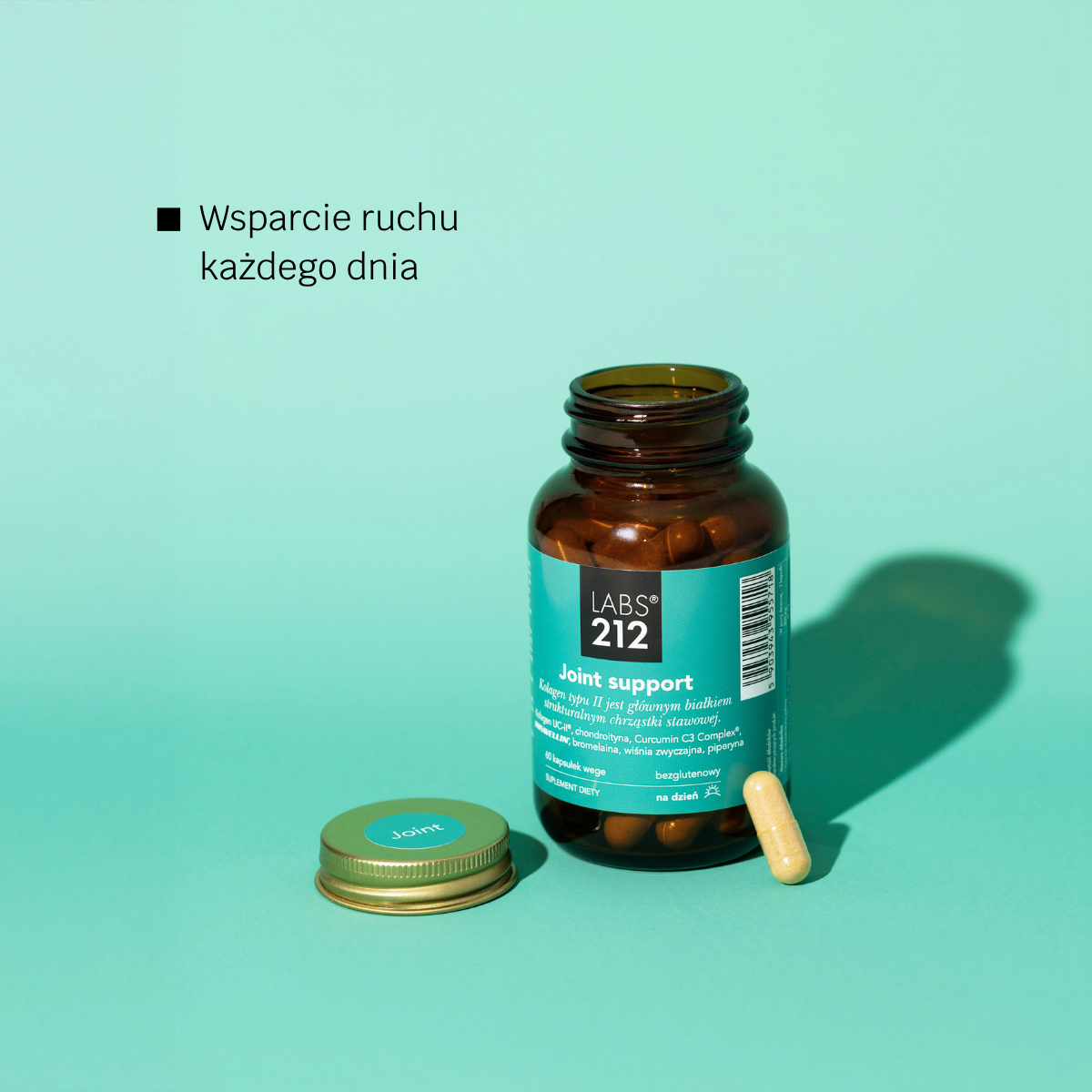
Joint support
Joint function support
Helps maintain proper joint function
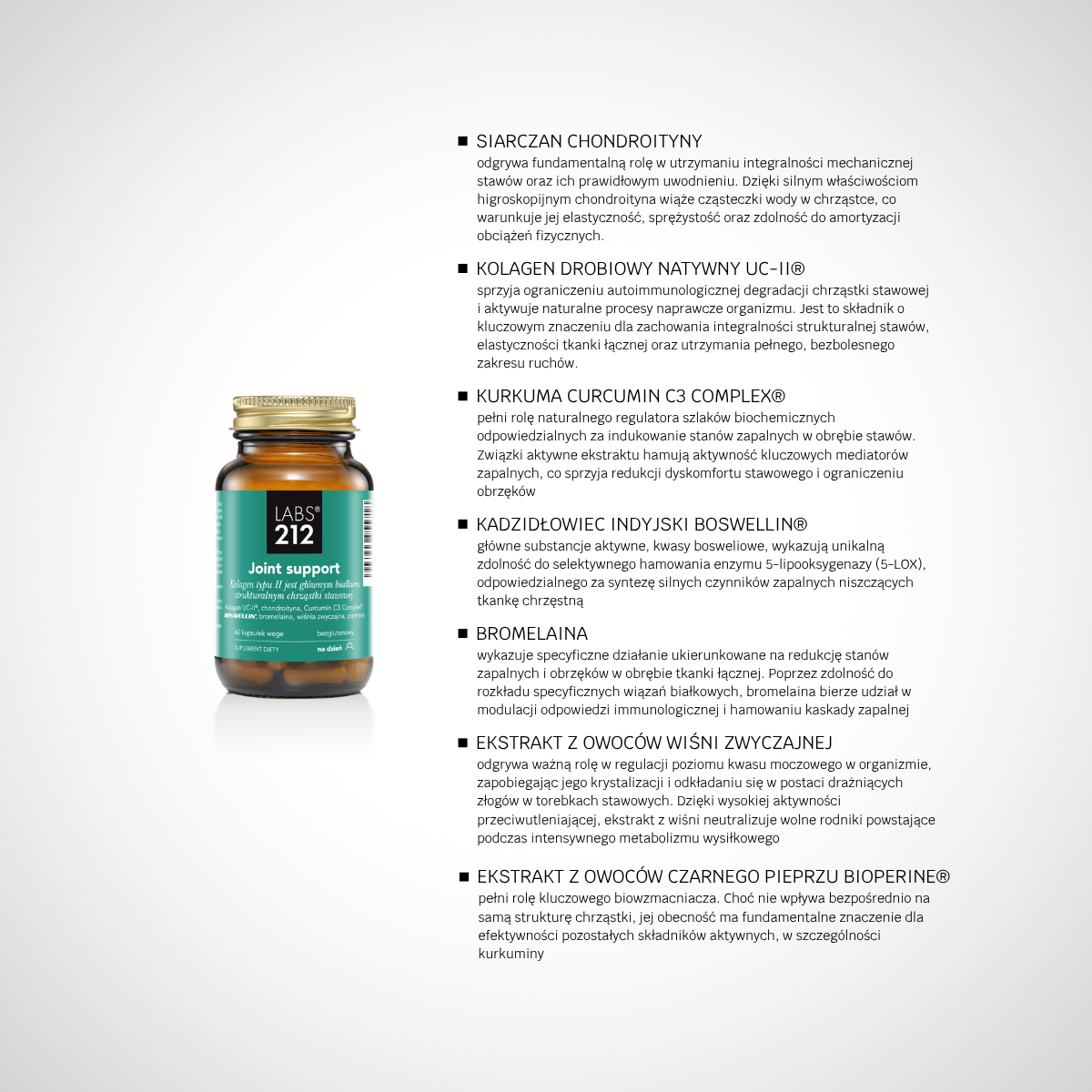
7 active ingredients: chondroitin, UC-II® native chicken collagen, Curcumin C3 Complex® turmeric, BOSWELLIN® frankincense, bromelain, tart cherry, BioPerine® piperine
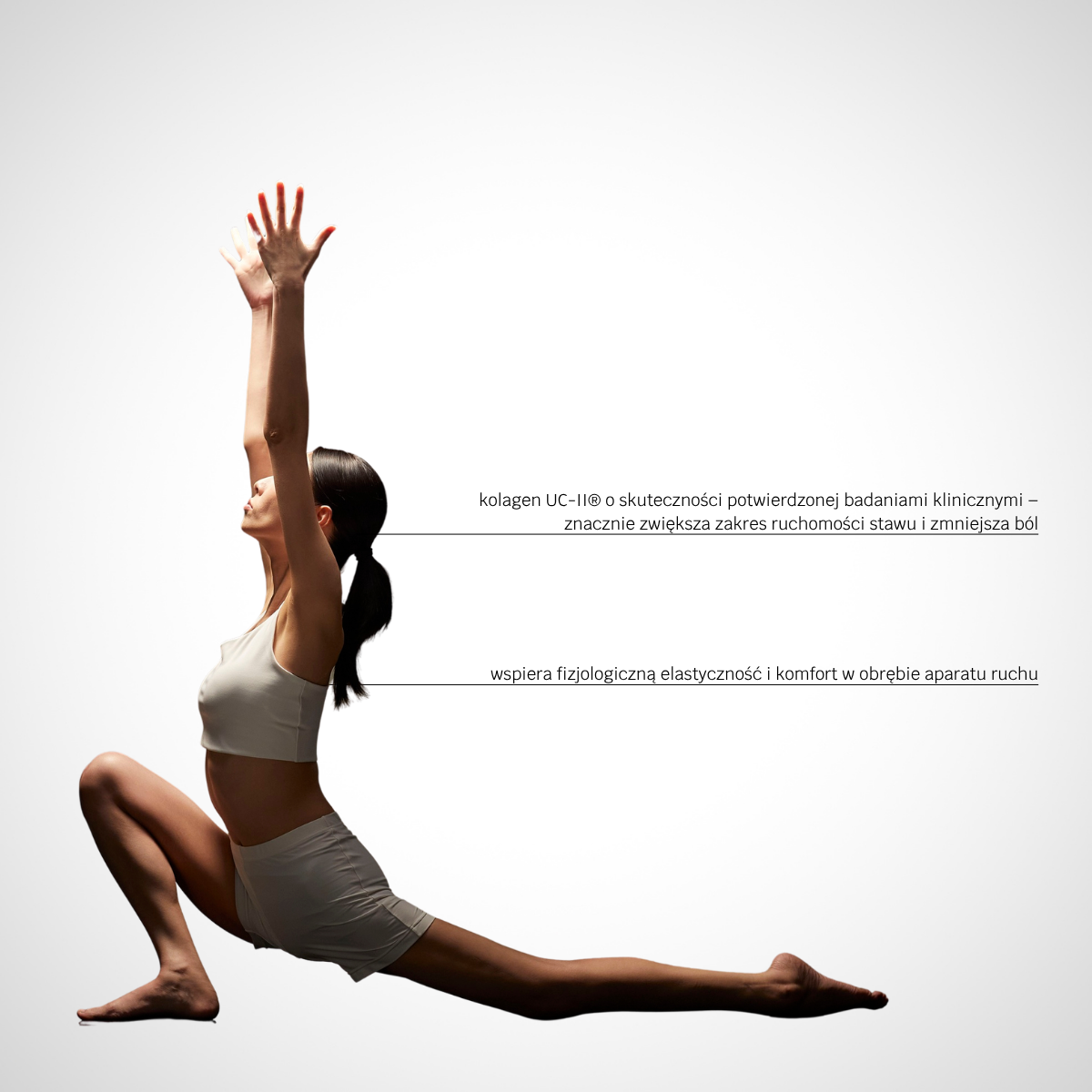
Patented UC-II® collagen with clinically proven efficacy – significantly increases joint range of motion and reduces pain
Tested microbiologically, for heavy metals and ethylene oxide
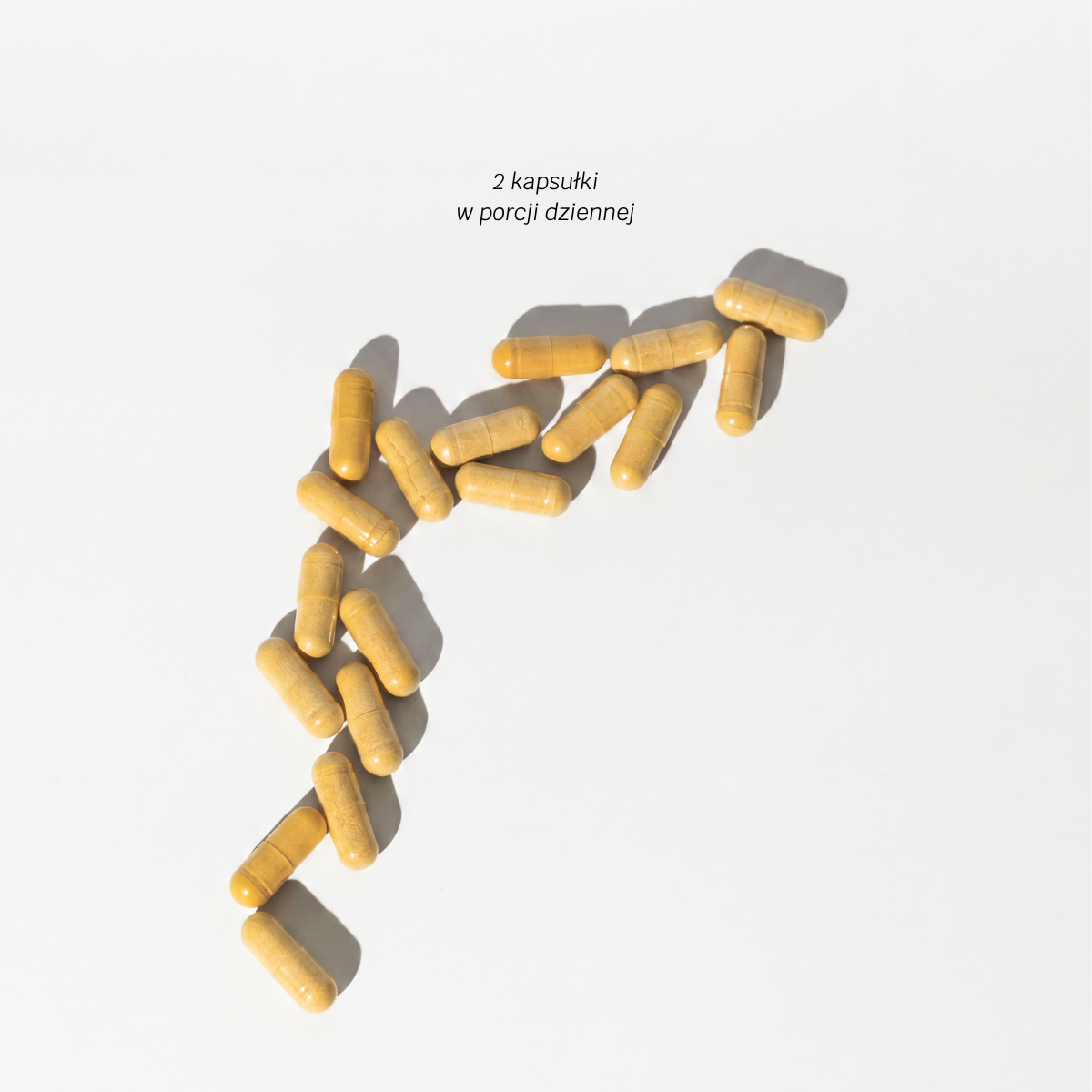
Quantity: 60 capsules / 30 daily servings
Best before: 05.2028
Notified to GIS (Poland): BZ/SD/POW/PL1000D/006501/2026, BLOZ: 5319590
 Encapsulated and manufactured in Poland
119,99 zł
962 in stock
Price per piece: 2,00 zł

 Free delivery within Poland from 250 zł
Previous lowest price was 119,99 zł.
Helps maintain normal thyroid function – night support.
New
Dietary supplement
Joint support
Joint function support
Helps maintain proper joint function
7 active ingredients: chondroitin, UC-II® native chicken collagen, Curcumin C3 Complex® turmeric, BOSWELLIN® frankincense, bromelain, tart cherry, BioPerine® piperine
Patented UC-II® collagen with clinically proven efficacy – significantly increases joint range of motion and reduces pain
Tested microbiologically, for heavy metals and ethylene oxide
Quantity: 60 capsules / 30 daily servings
Best before: 05.2028
Notified to GIS (Poland): BZ/SD/POW/PL1000D/006501/2026, BLOZ: 5319590
- Encapsulated and manufactured in Poland
119,99 zł
962 in stock
Previous lowest price was 119,99 zł.
Price per piece: 2,00 zł
Free delivery within Poland from 250 zł
Safe shopping guarantee. You will receive your product or your money back. See details
Joint Support dietary supplement is a carefully developed composition of active ingredients that support the proper functioning of joints.
Joint Support supplement contains:
Bovine Chondroitin Sulfate:
- Chondroitin sulfate is a key structural component of the extracellular matrix of cartilage tissue.
- Thanks to its hygroscopic properties, chondroitin sulfate binds water in the cartilage, which affects its elasticity and natural shock-absorbing properties.
- Chondroitin sulfate supports the protection of cartilage structures and promotes the preservation of their integrity.
- Chondroitin sulfate promotes the maintenance of proper properties of synovial fluid, which directly affects movement comfort and joint mobility.
UC-II® Native Chicken Collagen (Type II):
- UC-II® collagen is a biologically active, intact form of type II collagen, which is the main structural element of articular cartilage.
- UC-II® collagen supports the body in maintaining the proper structure of connective tissue.
- UC-II® collagen promotes the natural processes of collagen biosynthesis within joint structures.
- UC-II® collagen helps maintain the mechanical integrity of joints and supports the maintenance of a proper range of motion.
Curcumin C3 Complex® Turmeric Rhizome Extract:
- Turmeric exhibits strong antioxidant properties and helps maintain proper joint condition.
- Turmeric supports physiological flexibility and comfort within the musculoskeletal system.
- Turmeric protects cartilage cells from oxidative stress by neutralizing free radicals that accelerate tissue aging.
- Turmeric supports the body during periods of increased physical exertion and stress on the musculoskeletal system.
BOSWELLIN® Indian Frankincense Gum Resin Extract:
- Frankincense helps maintain optimal joint comfort and efficiency.
- Frankincense has a beneficial effect on the flexibility and endurance of the musculoskeletal system.
- Frankincense promotes the maintenance of a healthy connective tissue condition, including joint capsules and ligaments.
- Frankincense supports the natural regeneration of joint structures, helping to maintain their full functionality.
Bromelain:
- Bromelain is a complex of proteolytic enzymes that supports the physiological condition of soft tissues around the joints.
- Bromelain participates in metabolic processes related to the natural regeneration of connective tissue.
- Bromelain helps maintain the proper condition of capillaries and efficient intercellular exchange.
- Bromelain supports joint mobility and accelerates post-exercise recovery of the musculoskeletal system.
Tart Cherry Fruit Extract:
- Tart cherry extract is a rich source of antioxidants that neutralize free radicals generated during intense exercise.
- Tart cherry extract supports proper cellular metabolism, helping to maintain optimal intra-articular comfort.
- Tart cherry extract aids the physiological regeneration of connective tissue after physical strain.
- Tart cherry extract has a beneficial effect on the overall efficiency and mobility of the musculoskeletal system.
BioPerine® Black Pepper Fruit Extract:
- BioPerine® is a patented, standardized extract obtained from black pepper, standardized to 95% piperine.
- BioPerine® is a clinically proven bioavailability enhancer for nutrients.
- BioPerine® increases blood flow to the gastrointestinal tract.
- BioPerine® increases the emulsifying content of the intestines.
- BioPerine® enhances the active transport of nutrients.
| Ingredient | Amount per daily serving 2 capsules |
|
| Bovine chondroitin sulfate | 200 mg | – |
| UC-II® native chicken collagen (type II) | 40 mg | – |
| Turmeric (Curcuma longa L.) rhizome extract Curcumin C3 Complex® standardized to 95% curcuminoids, DER 64:1 | 120 mg | – |
| Indian frankincense (Boswellia serrata) gum resin extract BOSWELLIN® standardized to 70% boswellic acid, DER 5:1 | 160 mg | – |
| Bromelain 1200 GDU/g (Ananas comosus (L. Merr.), DER 60:1 | 180 mg | – |
| Tart cherry (Prunus cerasus L.) fruit extract, DER 10:1 | 100 mg | – |
| Black pepper (Piper nigrum L.) fruit extract BioPerine®, standardized to 95% piperine, DER 50:1 | 1,8 mg | – |
| Acacia fiber | 232 mg | – |
| L-Leucine | 5 mg | – |
*DV – Daily Value
Ingredients: hydroxypropyl methylcellulose – plant-based capsule shell, acacia fiber, bovine chondroitin sulfate, pineapple stem extract, Indian frankincense gum resin extract, turmeric rhizome extract, tart cherry fruit extract, native chicken collagen, L-leucine, black pepper fruit extract.
Gluten-free.
Amount per container: 60 vegan capsules.
Take 2 capsules daily. Joint Support dietary supplement should be consumed after a meal.
Capsule size: “00”, length 22 mm. Due to the presence of turmeric, the capsules discolor to yellow and may have an uneven yellow tone (ranging from darker to lighter).
Do not exceed suggested use. Dietary supplements should not replace a varied diet. The product is recommended for adults.
Warning: if pregnant or nursing, consult your doctor before use.
Keep away from the sun at a temperature below 25°C in the original packaging, out of reach of small children. Store the product in a dry place.
Production lot number / Best before – see the unit label (left side of the label).
Batch tests performed towards:
- Microbiology: presence of Listeria, Staphylococcus, Escherichia coli and coliform bacteria, Salmonella, molds, yeasts, and total aerobic microbial count,
- Presence of: echimidine and heliosupine, erucifoline, europine, heliotrine, intermedine, jacobine, lasiocarpine, lycopsamine and indicine, monocrotaline, echimidine N-oxide, erucifoline N-oxide, europine N-oxide, heliosupine N-oxide, heliotrine N-oxide, intermedine N-oxide, indicine N-oxide, echinatine N-oxide, rinderine N-oxide, jacobine N-oxide, lasiocarpine N-oxide, lycopsamine N-oxide, monocrotaline N-oxide, retrorsine N-oxide, usaramine N-oxide, senecionine N-oxide, integerrimine N-oxide, senecivernine N-oxide, seneciphylline N-oxide, spartioidine N-oxide, retrorsine, usaramine, rinderine and echinatine, seneciphylline, spartioidine, senecivernine, integerrimine, senecionine, senkirkine, trichodesmine, atropine, scopolamine,
- Presence of pyrrolizidine and tropane alkaloids,
- Heavy metals (arsenic, cadmium, lead, mercury),
- Pesticides,
- Ethylene oxide and 2-chloroethanol,
- Gluten content.
Testing was performed at the independent, accredited GBA Polska Laboratory – Accreditation Certificate No. AB 1095, and at the National Institute of Horticultural Research – Accreditation Certificate No. AB 757.


… 

Challenges for proper joint function
Articular cartilage does not contain blood vessels. It has no vascular supply of its own and is nourished exclusively through diffusion (self-movement) from the synovial fluid and the subchondral bone.
This means:
- no delivery of stem cells from the blood to the site of the injury,
- no fibroblasts or repair cells, which normally migrate from blood vessels,
- very slow transport of nutrients and repair signals.
By comparison, bone, which is vascularized, regenerates efficiently. Cartilage does not.
Cartilage does not hurt until the damage reaches the subchondral bone or the synovial membrane. This also means there is an absence of local nerve signals, which normally coordinate repair processes in other tissues.
Mature chondrocytes barely divide. Once cells are lost at the injury site, there is no source for new ones – the local population is too small and too inactive to fill the defect. Additionally, chondrocyte density naturally declines with age (it is many times higher in a newborn than in a 60-year-old).
The cartilage matrix contains active inhibitors of angiogenesis and cell proliferation (such as chondromodulin and thrombospondin). This makes evolutionary sense—cartilage must remain mechanically stable, so its remodeling is intentionally suppressed. Unfortunately, these same inhibitors block regeneration after an injury.
A chronic inflammatory state, mechanical trauma, or a drop in estrogen levels is enough to tip the scale toward catabolism (breakdown), and cartilage begins to deplete faster than it can be rebuilt.
When deep damage occurs and reaches the bone, the body attempts to repair the defect but fills it with fibrocartilage, which is rich in type I collagen instead of type II. Fibrocartilage is:
- mechanically weaker,
- less elastic,
- prone to faster wear and tear.
This is not true regeneration—it is a lower-quality substitute.
Supplementing type II collagen within the context of limited joint regeneration has scientific justification based on two main mechanisms: the stimulation of biosynthesis and the modulation of the immune response. Because cartilage tissue has no direct access to blood vessels, delivering this ingredient does not work by simply “filling in” physical gaps, but rather relies on triggering specific cellular signals.
In the case of native type II collagen:
- The mechanism of oral tolerance is crucial, occurring in the lymphoid tissue of the digestive tract, specifically in Peyer’s patches.
- The intact triple helix structure of this protein is not treated as mere building material, but as information for the immune system.
- Immune cells in the intestines recognize this structure and stimulate the production of regulatory T cells (Tregs), which then migrate to the joint areas.
- Once there, their role is to dampen the local inflammatory response and inhibit the activity of enzymes responsible for destroying the natural joint structure.
This is of fundamental importance because chronic inflammation drastically shifts the tissue’s metabolic balance toward catabolism, accelerating the degradation of the extracellular matrix.
By effectively shutting down these destructive processes, native collagen prevents the formation of deep defects that reach the subchondral bone. In this way, it protects the joint from a situation where the body -deprived of efficient repair mechanisms and vascularity – would be forced to fill the damage with mechanically weaker fibrocartilage dominated by type I collagen.
Consequently, this type of supplementation provides targeted biochemical support that stabilizes joint structure in an environment lacking natural, rapid self-regeneration.
UC-II® is one of the most interesting substances in joint supplementation. In terms of its mechanism of action, it is completely unique and differs fundamentally from collagen hydrolysate, glucosamine, or chondroitin.
UC-II® is a patented, undenatured (native) collagen derived from chicken sternum cartilage, extensively researched for its ability to support articular cartilage and reduce inflammation.
The key word here is “undenatured” because the collagen retains its native triple helix structure. It is this precise 3D spatial structure that is biologically active. Collagen hydrolysate (such as fish collagen powder) is broken down into peptides and works through a completely different mechanism.
Mechanism of Action and Cartilage Protection
UC-II® simultaneously reduces the activity of cartilage-degrading enzymes (MMP-1, MMP-3, MMP-13) and inflammatory mediators (NO, PGE₂). By doing so, it alleviates:
• synovial membrane inflammation,
• oxidative stress,
• neutrophil infiltration.
At the same time, it maintains synovial fluid stability and the integrity of the cartilage extracellular matrix (ECM). Cartilage preservation and an increase in chondrocyte count directly correlate with a reduction in MMP-13 protein levels and decreased cell apoptosis (programmed cell death).
Clinical Trial: UC-II® vs. Glucosamine + Chondroitin
In a multicenter, randomized, double-blind, placebo-controlled study, 191 volunteers were randomly assigned to three groups for 180 days: UC-II® (40 mg/day), glucosamine + chondroitin (1500 mg + 1200 mg/day), or placebo.
Results after 180 days:
UC-II® significantly outperformed the glucosamine and chondroitin combination across all clinical metrics. Reductions in pain and stiffness were observed as early as 30 days into supplementation.
| Metric | UC-II® (40 mg) | Glucosamine + Chondroitin (2700 mg) |
| WOMAC (Total) | ↓ 33% | ↓ 14% |
| VAS (Pain) | ↓ 40% | ↓ 15% |
| Lequesne (Function) | ↓ 20% | ↓ 6% |
| Daily Dose | 40 mg | 2700 mg |
Translating these indexes into everyday practice:
• WOMAC measures overall pain, stiffness, and difficulties in physical daily activities.
• VAS focuses exclusively on the intensity of the pain itself.
• Lequesne index determines the degree of mobility limitation and the maximum distance a patient is able to walk.
Study in Healthy, Physically Active Individuals
The ability to modulate immunity through the ingestion of a food or antigen is called oral tolerance. This is an ongoing, normal physiological process that protects the digestive tract from unwanted immune damage. Several distinct types of regulatory T cells (Tregs) mediate this phenomenon by releasing anti-inflammatory cytokines, specifically IL-10 and TGF-β.
Crucially, research shows that this effect is temporary – it requires continuous ingestion of the antigen to maintain the tolerogenic state.
Important implication: UC-II® must be used regularly and continuously, as oral tolerance fades once supplementation is discontinued.
UC-II® vs. Collagen Hydrolysate – A Fundamental Difference
Both types of collagen can work synergistically, but they target the joints through completely different pathways:
| Feature | UC-II® (Undenatured) | Collagen Hydrolysate |
| Structure | Native triple helix | Broken-down peptides |
| Mechanism | Oral tolerance (immune-mediated) | Structural building blocks |
| Daily Dose | 40 mg / day | 5–15 g / day |
| Target | Immune system → Joint response | Directly to connective tissue |
| Primary Effect | Anti-inflammatory + Cartilage protection | Anabolic (collagen synthesis) |
Summary – Why UC-II® is Unique
Most joint supplements work from the outside in by supplying raw materials to build cartilage. UC-II® works from the inside out—it educates the immune system to stop destroying its own cartilage. This targeted approach is exceptionally valuable in addressing inflammatory states and the autoimmune components of both Osteoarthritis (OA) and Rheumatoid Arthritis (RA).

Discover other LABS212® products
-
Dietary supplement
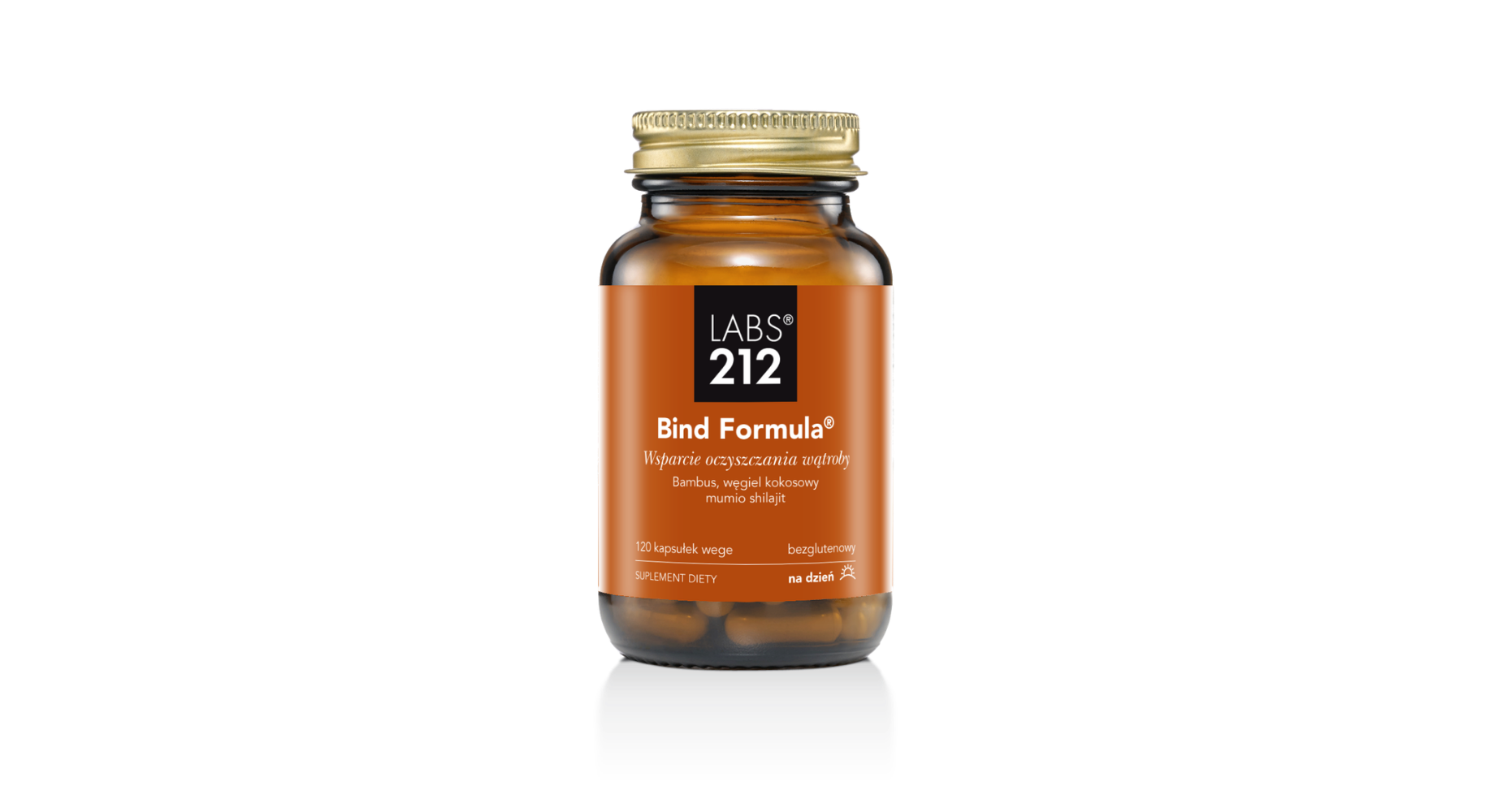
Bind Formula®
Liver detox support. 3 active ingredients: bamboo extract, activated coconut charcoal, shilajit (mumijo).More -
Dietary supplement
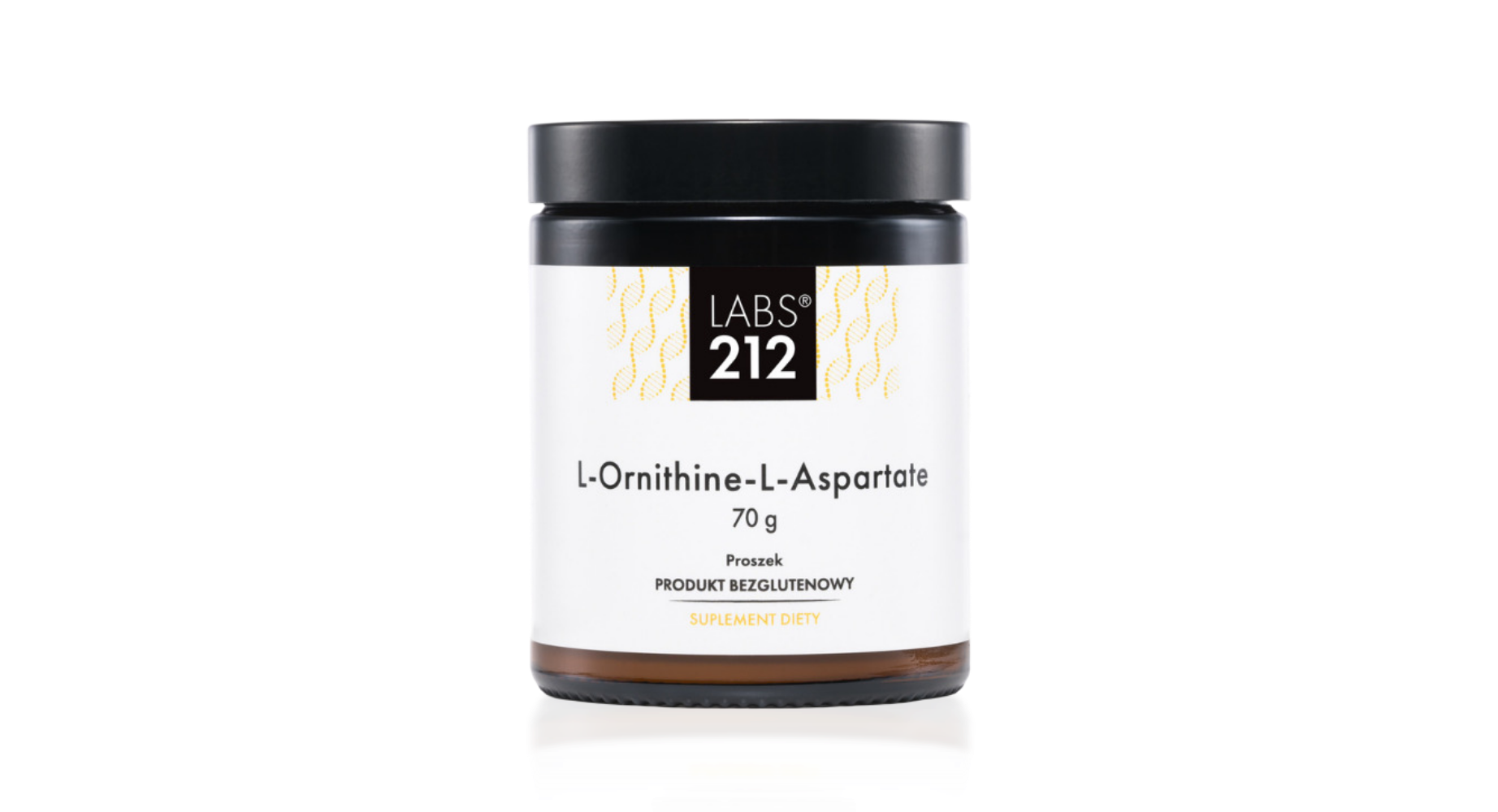
L-Ornithine-L-Aspartate
A combination of L-Ornithine and Aspartic Acid in powder form.More -
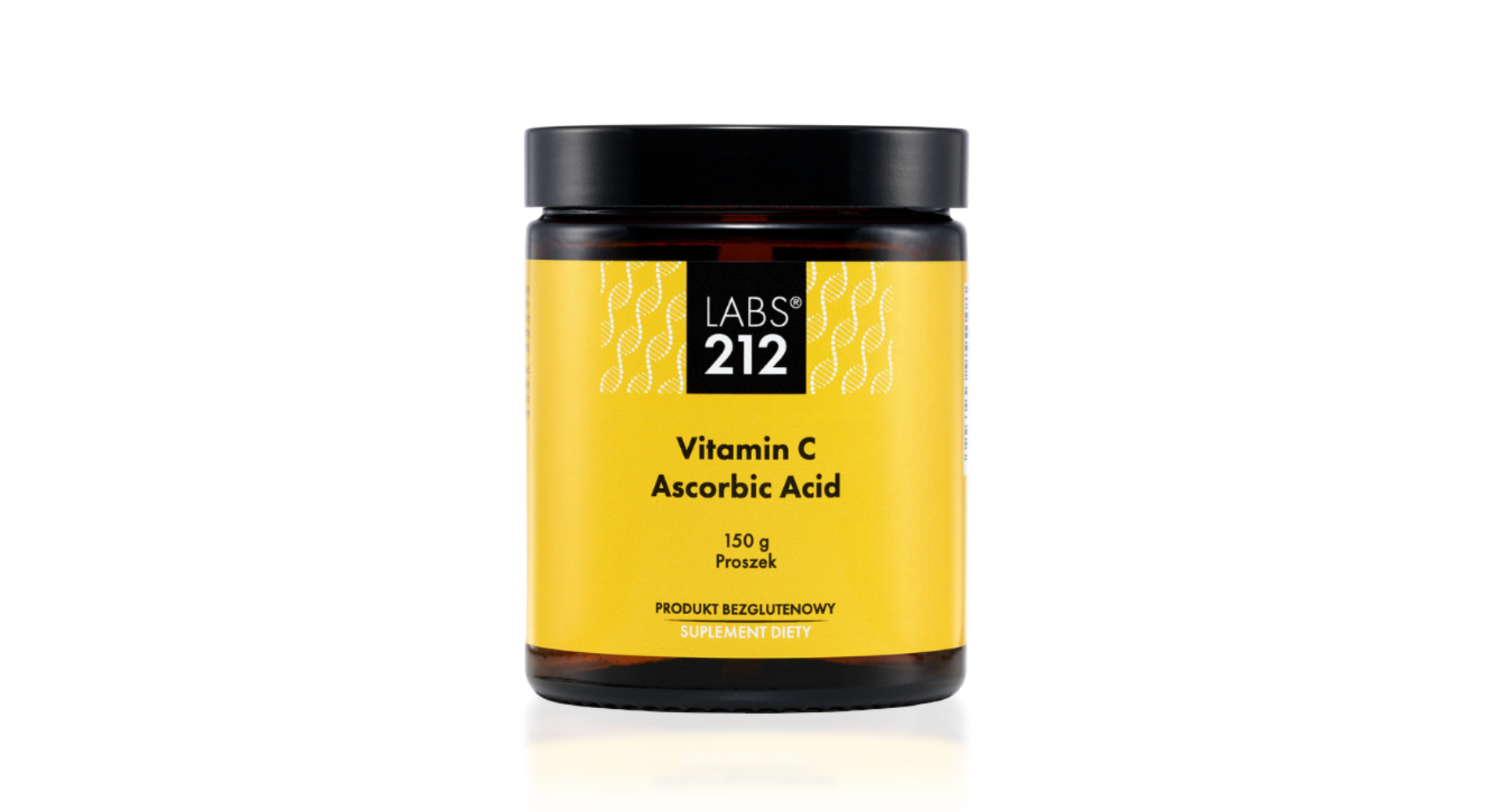
Dietary supplement
Vitamin C
Vitamin C in powder form. Servings per container: 150. Helps maintain normal immune system function.More -
-
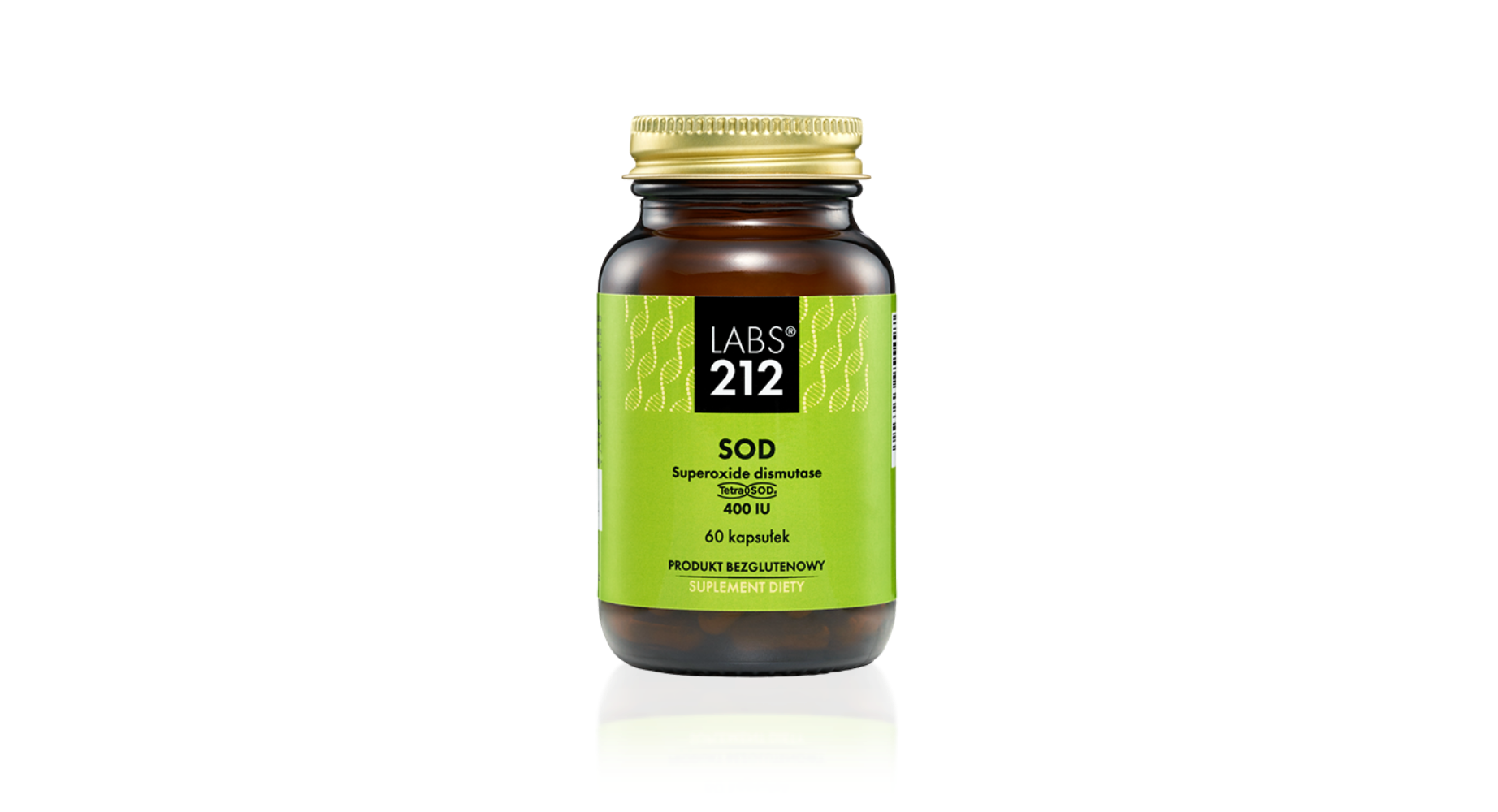
Dietary supplement
SOD
Antioxidant properties, Tetra-SOD® contains superoxide dismutase at the highest concentration availableMore